
Aluminium Extrusion Profiles shape modern construction, transport, electronics, and industrial equipment. Their clean lines may look simple, but each profile reflects alloy selection, die design, extrusion pressure, cooling control, and finishing discipline. Small process differences can change surface quality, dimensional accuracy, and long-term performance.
Tom Dobbins, president and chief executive officer of the Aluminum Association, has said, “Aluminum is essential to a sustainable future.” This perspective matters when comparing global manufacturers. Leading suppliers are not judged only by production volume. Their capabilities also include alloy development, precision tolerances, anodizing, powder coating, fabrication, recycling systems, and technical support. A reliable manufacturer should provide traceable test data, consistent delivery, and clear quality documentation.
The following review examines ten major Aluminium Extrusion Profiles manufacturers worldwide. It considers manufacturing scale, product range, geographic reach, certification practices, innovation, and customer applications. Factory experience matters here. A profile used beside a glass curtain wall faces different demands from one installed inside a high-speed train. Even so, no ranking can be perfectly universal. Market reputation changes, regional strengths differ, and public information is sometimes incomplete. That weakness deserves attention.
Some companies excel at architectural profiles. Others perform better in automotive, solar, or industrial applications. The strongest manufacturers usually combine advanced presses with practical engineering support. They also respond quickly when a die needs correction or a surface finish fails inspection. These details are easy to overlook. They often decide whether a supplier becomes a long-term partner or merely another name on a purchasing list.
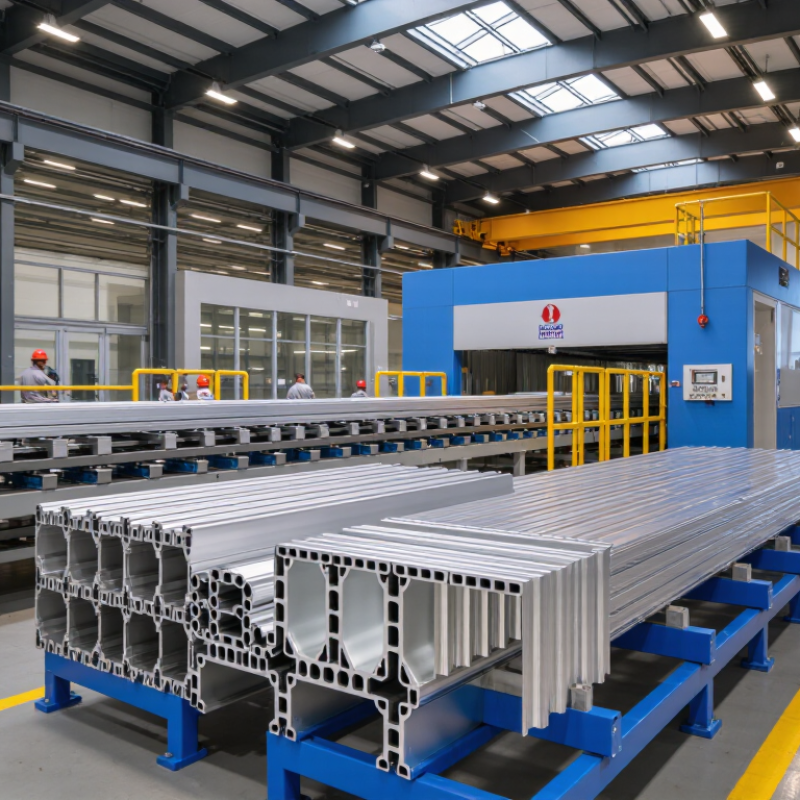
Global aluminium extrusion manufacturing covers companies that heat aluminium billets and force them through shaped dies. The process creates profiles with consistent cross-sections, from window frames to complex rail components. Industry scope includes billet preparation, die design, extrusion, heat treatment, finishing, fabrication, and delivery. It also includes standard profiles and custom sections made for specific engineering requirements.
A credible Top 10 comparison should assess more than production volume. Useful measures include press capacity, alloy range, dimensional control, delivery coverage, recycling systems, and technical support. Manufacturing experience matters when profiles contain thin walls, tight tolerances, or difficult corners. Factory audits, certification records, and customer application evidence provide stronger proof than promotional claims.
The market is not perfectly transparent. Public data differs between regions, and some manufacturers report group capacity instead of usable output. That can distort rankings. Energy sources also affect the real environmental profile of extrusion, especially during billet heating and surface finishing. Buyers should examine recycled content, traceability, quality testing, and defect handling before comparing suppliers. A profile may look identical on a drawing, yet perform differently after machining, coating, or long-term exposure.
Evaluating leading aluminium extrusion manufacturers requires more than comparing annual output. The International Aluminium Institute reported approximately 70.6 million tonnes of global primary aluminium production in 2023. That figure shows the scale of the sector, but volume alone cannot prove manufacturing quality. Buyers should examine alloy consistency, die design capability, dimensional tolerances, surface finish, and documented quality controls. ISO 9001 certification supports process discipline, while EN 755-9 and EN 12020 help assess extrusion tolerances for different applications.
A reliable supplier should provide inspection records, tensile-test results, hardness readings, and batch traceability. In practical audits, I would also check billet storage, furnace calibration, die maintenance, and packaging protection. A bright profile can still hide internal weakness. The International Aluminium Institute identifies electricity use as a major emissions factor in aluminium production, so energy sourcing and carbon reporting deserve attention. Environmental claims should include measurable boundaries, not vague promises. Recycled content, scrap recovery, and verified product carbon footprints offer stronger evidence.
Delivery reliability is equally important. Industry purchasing reports often assess lead time, capacity flexibility, and complaint response alongside price. Yet rankings can oversimplify reality. A large producer may struggle with small custom orders, while a smaller plant may offer better engineering support. That is an uncomfortable limitation. The strongest evaluation combines audited data, sample testing, customer references, and on-site experience before selecting a supplier.
Global presence matters more than factory size. A strong top-ten list should examine production capacity, regional plants, technical teams, and delivery networks. Grand View Research valued the global aluminium extrusion market at approximately USD 78.5 billion in 2023. It also forecasts about 7.1% annual growth through 2030. This expansion is driven by transport, construction, renewable energy, and industrial automation. However, market size alone cannot prove manufacturing leadership.
A reliable global supplier should support local tooling, alloy selection, surface treatment, and quality testing. Multiple production sites can reduce shipping delays and supply risks. The International Aluminium Institute reported global primary aluminium production above 70 million tonnes in 2023. That figure shows the scale of the upstream industry, but extrusion performance depends on downstream expertise. Regional certifications also matter, especially when profiles enter automotive, building, or electrical projects. Customer audits, traceability records, and recycled-content declarations offer stronger evidence than promotional claims. Delivery consistency matters.
Any ranking remains imperfect. Public data often combines extrusion, casting, and other aluminium operations. That makes direct comparisons difficult. A manufacturer may have fewer plants but deeper engineering capability. Another may operate worldwide yet provide weaker regional service. Therefore, the leading ten should be judged by verified capacity, geographic coverage, technical experience, and measurable customer support. The industry still needs more transparent, comparable reporting.
Top 10 Aluminium Extrusion Profiles Manufacturers Worldwide?
The leading aluminium extrusion manufacturers compete through capability, not scale alone. Their facilities typically handle architectural, industrial, and custom profiles. Reliable producers publish alloy options, dimensional tolerances, and surface-treatment specifications. Buyers should request recent inspection records. Marketing language is not enough.
Advanced plants combine billet heating, precision dies, automated extrusion presses, and controlled cooling systems. Some lines produce complex hollow sections with thin walls and tight tolerances. CNC cutting, drilling, punching, and bending reduce secondary processing. Powder coating and anodizing support consistent colors, corrosion resistance, and outdoor performance. Small details matter. A profile that twists during transport can disrupt assembly.
Served industries reveal practical expertise. Construction projects need curtain-wall frames, window systems, and thermal-break components. Solar manufacturers require lightweight rails, mounting channels, and repeatable hole patterns. Transport, machinery, electronics, and lighting clients often demand custom heat sinks or reinforced sections. The strongest suppliers support prototype tooling before mass production. Still, no ranking remains permanent. Energy costs, recycled-content targets, lead times, and quality audits can change the order quickly. I would also question any supplier promising every finish, alloy, and tolerance without qualification testing. A better comparison examines sample quality, traceability, tooling support, and response speed under real production pressure.
The worldwide aluminium extrusion market is being shaped by energy costs, construction demand, and vehicle lightweighting. Extrusion plants consume substantial electricity during billet heating and die operation. When power prices rise, production schedules and quotations can change quickly. Recycled aluminium also matters. It usually requires less energy than primary metal, but its quality depends on careful sorting and testing.
Manufacturers are investing in automated presses, digital process monitoring, and improved die design. These tools can reduce surface defects, dimensional errors, and material waste. However, technology does not solve every problem. Experienced operators still notice unusual sounds, uneven cooling, or small changes in profile shape. Those details can prevent larger failures. Customer demand is also moving toward complex profiles for windows, heat sinks, rail systems, and battery enclosures. Tight tolerances require stable alloys, controlled temperatures, and reliable inspection records.
Regional regulations and supply-chain risks influence sourcing decisions. Buyers increasingly examine carbon data, recycled content, delivery reliability, and worker safety practices. Traceability is becoming practical rather than decorative. Still, reported sustainability figures are not always comparable across suppliers. That deserves more scrutiny. A low-carbon claim may exclude transport, remelting, or finishing operations. Market forecasts can miss sudden changes in interest rates, construction activity, or raw material availability. Flexible capacity, honest reporting, and continuous technical training remain essential for competing across international markets.
Compare alloy consistency, die design, dimensional accuracy, surface finish, and quality controls. Output volume alone proves little.
Request inspection reports, tensile-test results, hardness readings, and batch traceability records. These documents reveal more than polished samples.
Poorly maintained dies can create uneven walls, marks, and unstable dimensions. Ask for maintenance schedules and recent inspection evidence.
Check billet storage, furnace calibration, die maintenance, testing areas, and packaging protection. Small details often expose process weaknesses.
No. A shiny profile may still contain internal weakness or inconsistent mechanical performance. Sample testing remains necessary.
Regional plants and technical teams can reduce shipping delays and supply risks. But many factories do not guarantee better engineering support.
Look for recycled-content data, scrap recovery records, energy information, and verified carbon boundaries. Vague green claims need questioning.
Not always. Public data may combine extrusion, casting, and other operations. Rankings should be checked against audits, samples, and customer references.
Yes, especially with custom orders and engineering support. Large capacity can become a weakness. I would still verify delivery records carefully.
The global aluminium extrusion industry encompasses the production of lightweight, durable, and customizable metal profiles used across construction, transportation, electronics, renewable energy, industrial equipment, and consumer products. This article explains how leading manufacturers are evaluated through factors such as production capacity, geographic reach, quality management, engineering expertise, delivery reliability, sustainability practices, and ability to provide customized solutions. It also highlights the importance of advanced extrusion lines, precision tooling, surface treatment, alloy selection, fabrication, and integrated supply-chain services.
The leading Aluminium Extrusion Profiles manufacturers are distinguished by their ability to serve multiple regions while maintaining consistent performance and compliance with customer specifications. Their product capabilities range from standard structural sections to complex, high-precision designs for specialized applications. The worldwide market is being shaped by demand for lightweight materials, energy-efficient buildings, electric mobility, renewable energy infrastructure, automation, recycled aluminium, and shorter supply chains. Understanding these trends can help buyers compare suppliers and select partners based on technical capability, application knowledge, scalability, and long-term value.
