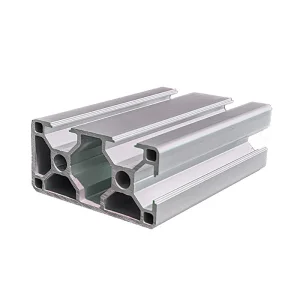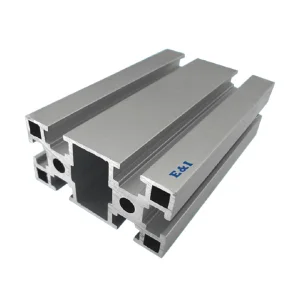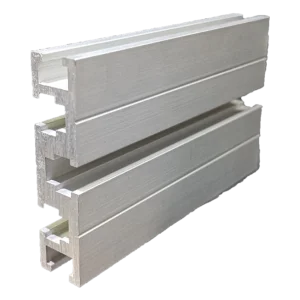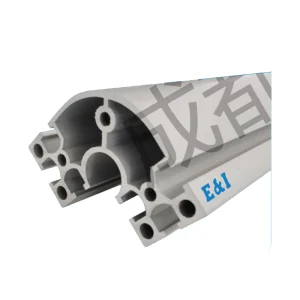
Guided by our foundational business philosophy of "people-oriented, quality value, technological innovation, and win-win cooperation", Chengdu E&I Aluminum Industry Co., Ltd. has established itself as an elite pioneer in the research, development, and manufacturing of high-difficulty, high-precision, and highly demanding aluminum alloy products.
Our operation relies on a structural partnership with The National Institute of Nonferrous Metals, securing a premier aluminum alloy technology research and development team within China's light alloy industry. This technical backing allows us to provide comprehensive structural solutions covering customized profiles, high-strength castings, and precision forgings.
Equipped with advanced extrusion presses, high-capacity automatic anodizing lines, and electrostatic powder spraying systems, we manage complete turnkey operations. Our catalog and design capabilities support mechanical frames, safety fences, workbenches, automated assembly conveyor frames, photovoltaic structures, modular cleanrooms, and clean storage systems.
We strive to rank among the top tier of China’s aluminum alloy manufacturers by technical capacity and design capability, ensuring our global supply chain partners receive reliable structural components for high-precision configurations.
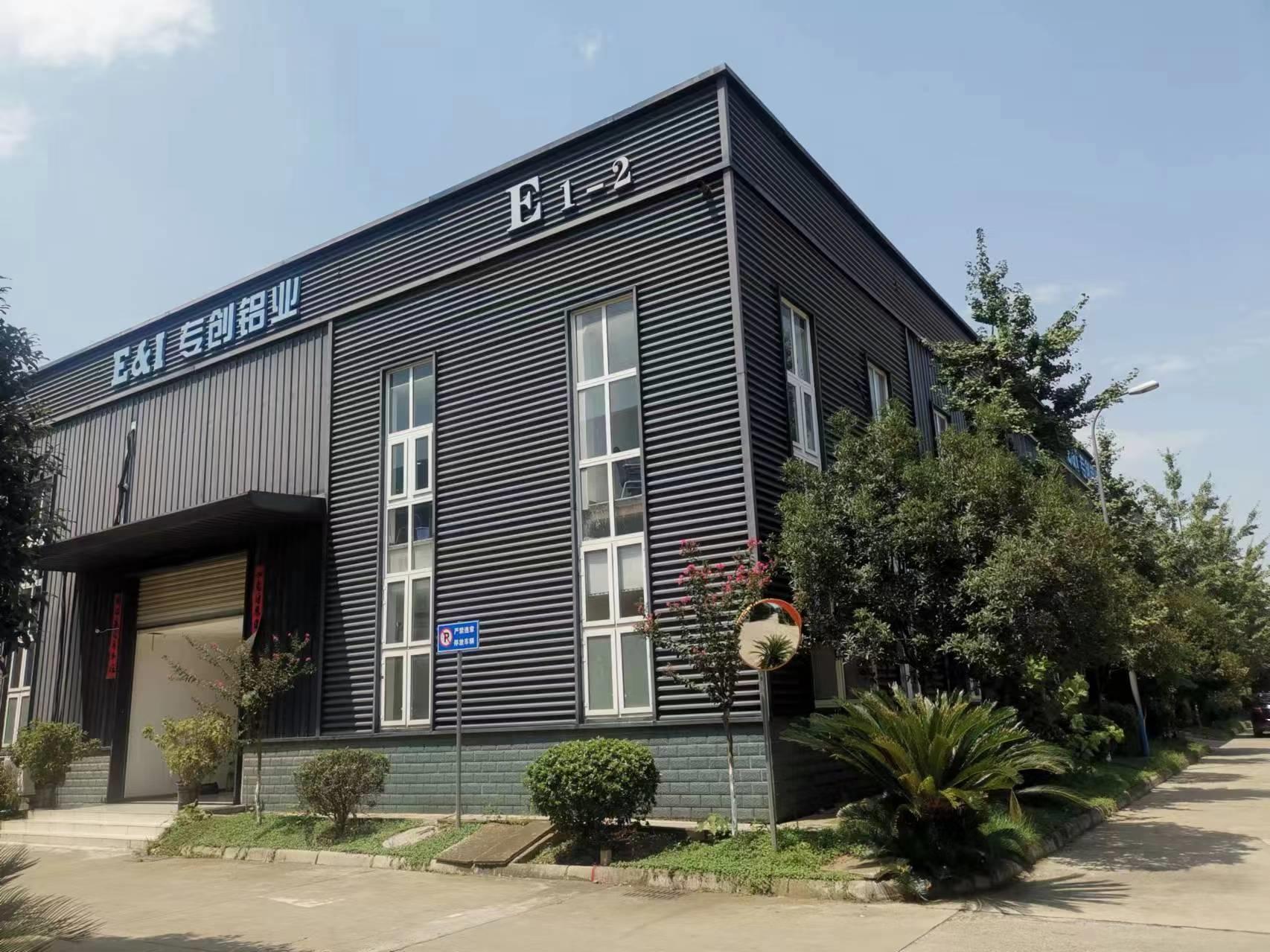
In the globalized industrial supply chain, procurement decisions are no longer guided solely by unit price. Modern manufacturing demands structural reliability, strict engineering tolerances, and highly responsive supply chains. The modern Chinese aluminium equipment ecosystem, typified by clusters like Chengdu, has evolved from basic material processing to high-end engineering R&D. By pairing localized metal extrusion hubs with structural design services, modern facilities deliver system integration rather than raw profiles.
The primary advantage of Chinese manufacturing centers on vertical supply chain integration. From smelting and alloy configuration adjustments—often in partnership with institutions like the National Institute of Nonferrous Metals—to custom structural profile design, matrix extrusion, precision milling (CNC), and advanced surface treatments, all phases occur within coordinated zones. This concentration cuts transit times, protects material surfaces from handling wear, and speeds up product delivery.
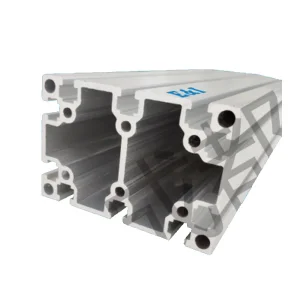
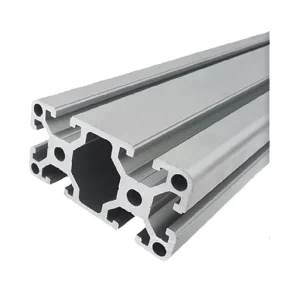
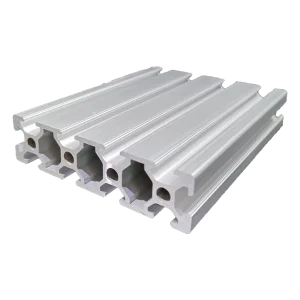
Furthermore, Chinese manufacturers offer deep engineering expertise. E&I engineers do not simply process orders; they analyze stress limits, deflection properties, and structural parameters. This optimization guides the choice of profiles, such as the ENI-8-3060E with its specific load-bearing capacity, or the corrosion-resistant ENI-8-3570, ensuring assemblies match client specifications. This balance of cost-efficiency and technical compliance allows international OEMs to shorten product development cycles and reduce deployment costs.
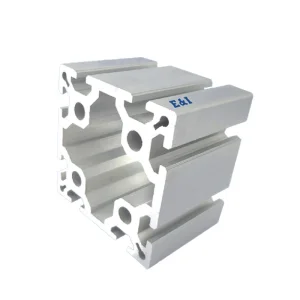
Controlled environments depend on materials that minimize particulates and resist chemical sanitization. The anodized finish of the ENI-6-6090 series is designed for laboratory cleanroom applications. Because anodized aluminum does not release particles or corrode under cleaning regimens, it keeps cleanroom structures compliant with ISO classification standards.
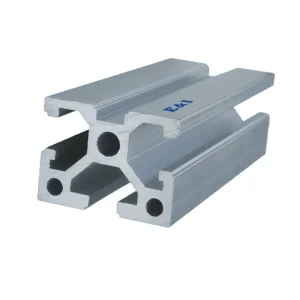
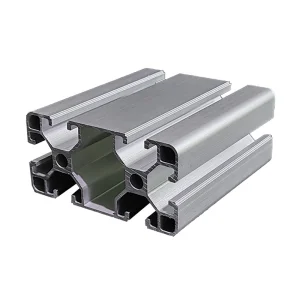
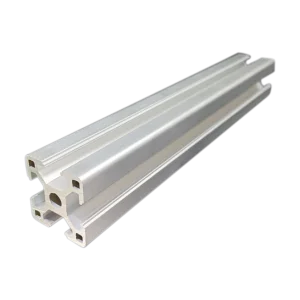
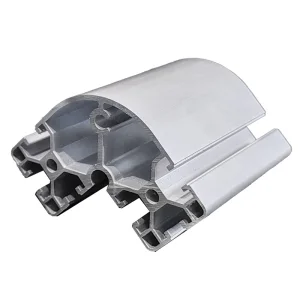
Modern robotic automation requires sturdy physical barriers. Profiles such as the ENI-8-3040 and the rounded-edge ENI-6-6630R are used to build safety fences that resist impacts. The smooth outer radius of these profiles helps shield operators from sharp corners, and integrated T-slot configurations allow for fast sensor and plexiglass mounting.
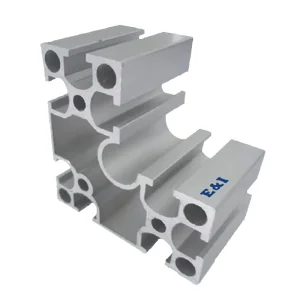
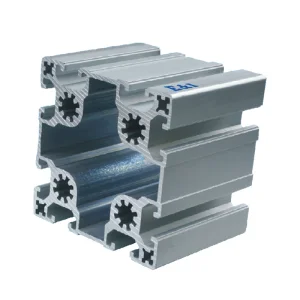
Multi-axis linear modules, gantries, and automated handling lines rely on stable framing. High-load profiles like the E&I-10-100100B and E&I-8-100100 are engineered to carry significant dynamic weights, minimizing structural deflection. This stiffness helps maintain the alignment of moving parts over long duty cycles.
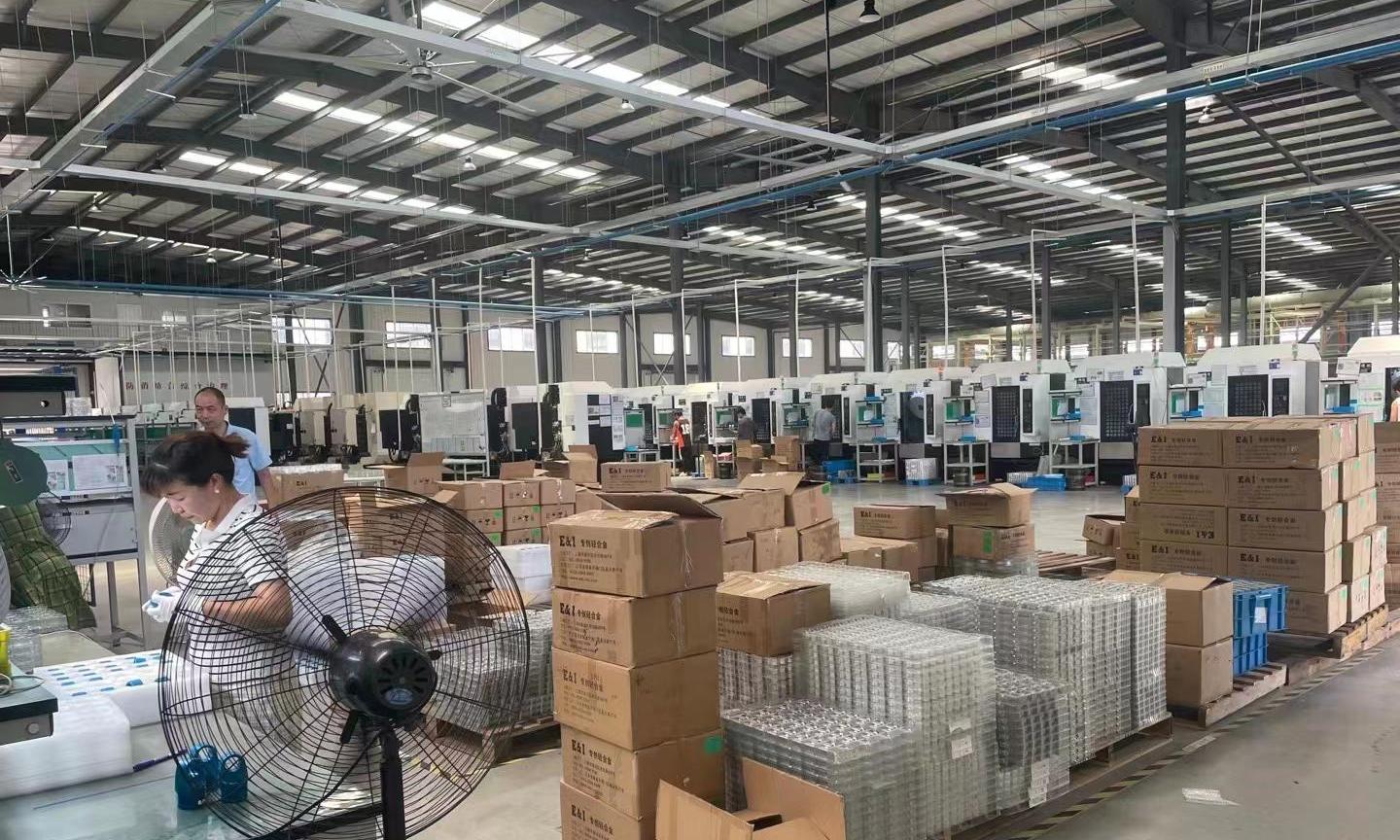
When purchasing managers from Fortune 500 automotive or aerospace firms source aluminum structures, they evaluate a range of mechanical properties. Structural aluminum is chosen for its strength-to-weight ratio, ease of assembly, and long-term stability under stress. Unlike steel, which requires cutting, welding, and painting, modular T-slot aluminum systems connect mechanically. This speeds up assembly times, simplifies modifications, and avoids the heat-affected zones caused by welding.
Additionally, surface treatment quality directly affects component longevity. E&I anodizing treatments form a hard, stable aluminum oxide layer that resists corrosion in humid or chemical environments. This protection makes profiles like the ENI-8-3570 suitable for demanding applications in marine, chemical, and automated production environments. Proper anodizing also maintains the profile surface finish, preventing metal particles from contaminating products or equipment.
Extrusion designs prioritize wall thickness consistency, ensuring uniform stress distribution and reliable mechanical performance under load.
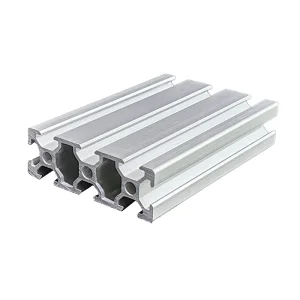
Standardized T-slot layouts allow quick mounting of brackets, fasteners, linear guides, and custom panels, speeding up line reconfigurations.
Aluminum is highly recyclable. Reusable modular frameworks reduce waste, helping organizations meet their environmental and sustainability goals.
We provide custom design services, high-precision extrusion manufacturing, surface anodizing, structural calculation support, and global logistics options.
Prerequisites: What you need to have? Your engineering requirements, cross-sectional tolerances, or design drawings.