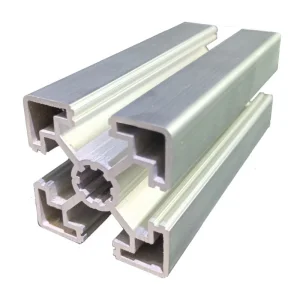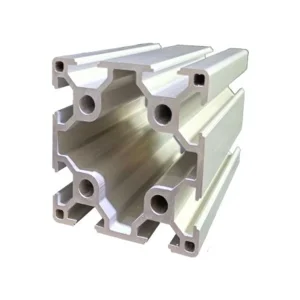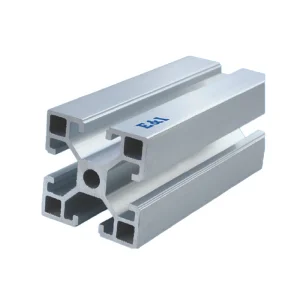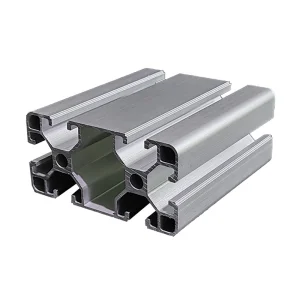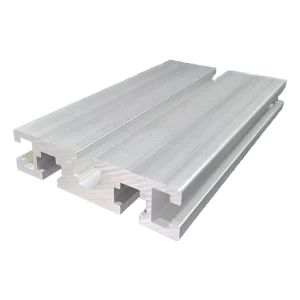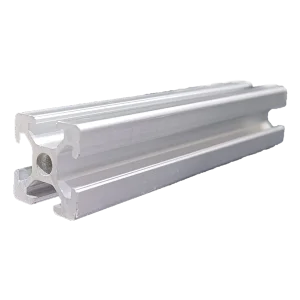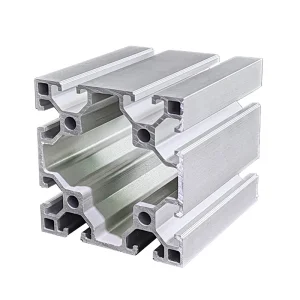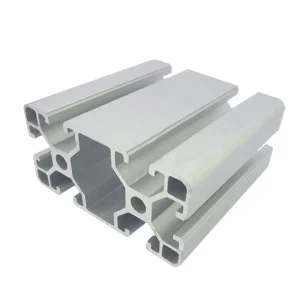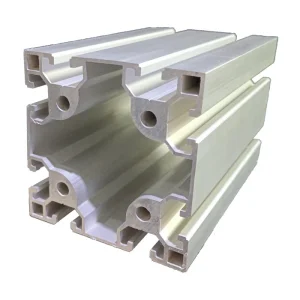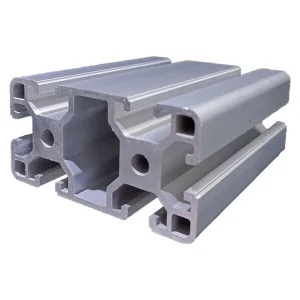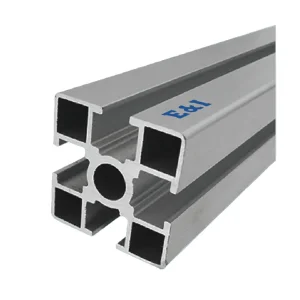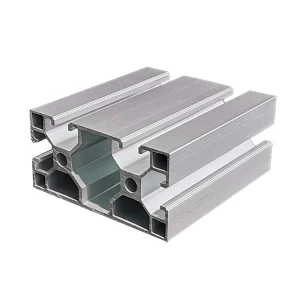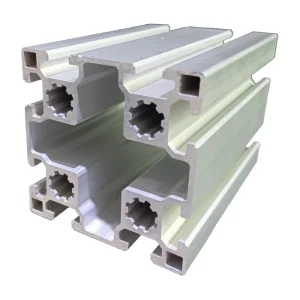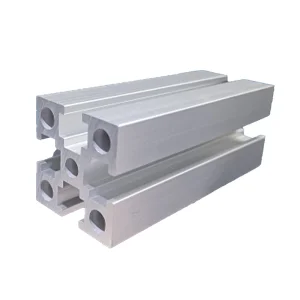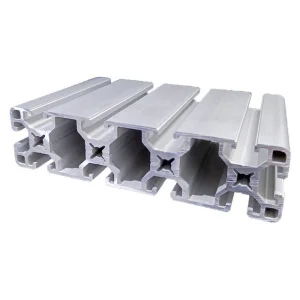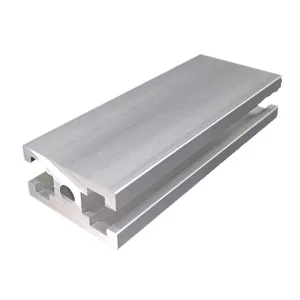
Precision extruded profiles from leading factories, engineered for lightweight automation frames, structural enclosures, and specialized cleanroom structures.
Analyzing the macro-market dynamics shifting engineering preference toward modular framing systems.
In the contemporary landscape of industrial automation, smart warehousing, and high-tech manufacturing, modular structural systems have transitioned from optional conveniences to baseline requirements. Among the broad range of structural shapes, the 20 X 20 mm aluminum extrusion profile stands as one of the most widely adopted dimensional standards in the world.
The global demand for 20x20 T-slot and V-slot profiles is driven by a macro-industrial transition toward modularity, flexible manufacturing systems (FMS), and rapid prototyping. Unlike welded steel framing, which requires highly skilled labor, non-destructive testing, painting, and permanent installation setups, 20x20 anodized aluminum extrusions provide a highly adaptable, reusable, and lightweight alternative.
This industrial standard is vital to sectors such as semiconductor packaging, consumer electronics assembly, medical equipment integration, and electric vehicle (EV) battery manufacturing. Factories worldwide are prioritizing suppliers that can offer consistent dimensional accuracy, uniform mechanical properties, and reliable logistics channels. As regional manufacturing hubs seek to reduce transport overheads, selecting the right partner with vertical manufacturing capabilities becomes a critical commercial requirement.
Understanding structural specifications, alloy selection, and factory validation criteria.
For corporate purchasing officers and engineering managers, sourcing the "best 20x20 profile" involves navigating complex metallurgical parameters, custom fabrication capabilities, and total cost of ownership (TCO) constraints. Procurement processes require rigorous verification of materials and manufacturing standards:
Additionally, geopolitical supply chain diversification has driven procurement teams to partner with manufacturers in Southwest China, such as the industrial corridors around Chengdu. These regions leverage cost-efficient hydroelectric energy and integrated upstream supply chains to offer highly competitive pricing without compromising on strict metallurgical and dimensional quality standards.
Integrating modular aluminum systems into primary industrial verticals.
High-volume automotive manufacturing facilities require rapid reconfigurability for dynamic assembly lines. Modular 20x20 systems and larger structural profiles (such as 40x40, 80x80, and 40x160) are used to construct customized tool holders, test bays, lightweight transport trolleys, and robot protective barriers. Using lightweight structures reduces floor loads and energy consumption during dynamic movement.
In logistics centers, Automated Guided Vehicles (AGVs) and Autonomous Mobile Robots (AMRs) rely on lightweight structural materials to optimize battery runtime. The high strength-to-weight ratio of anodized 20x20 profiles provides structural rigidity for sensors, LiDAR scanners, and actuators without adding unnecessary bulk, directly extending equipment service life.
Particulate-free environments, such as semiconductor fabs and pharmaceutical packaging plants, demand materials that do not outgas, corrode, or shed particles. Anodized 6063-T5 aluminum profiles, with closed-slot variations, prevent dust accumulation, simplify washdowns, and maintain cleanroom integrity according to ISO Class 5 standards.
How emerging technologies and sustainability mandates are shaping the next generation of extrusions.
Maximizing mechanical properties via precision temperature-controlled quenching during extrusion. Achieving uniform anodizing colors and micro-crack prevention using automated multi-stage chemical pre-treatment baths.
Shifting production to green aluminum sourced from hydro-powered smelters. Developing high-strength, post-consumer recycled alloys that maintain mechanical integrity while reducing scope-3 carbon footprints.
Developing structural profiles with embedded conductive lanes, sensor slots, and fiber optics directly inside the extrusion cavities. This allows real-time structural health monitoring and plug-and-play wiring for smart grids.
A premier industrial partner for high-difficulty, high-precision, and custom aluminum profiles.
Chengdu E&I Aluminum Industry Co., Ltd. is built on the business philosophy of "people-oriented, quality value, technological innovation, and win-win cooperation." We focus on the research, development, and manufacturing of aluminum alloy products designed for high difficulty, high precision, and strict requirement applications.
Collaborating with the National Institute of Nonferrous Metals, our dedicated aluminum alloy R&D team provides customers with comprehensive, tailored solutions across profiles, castings, and forgings. Our advanced production and testing facilities guarantee reliable quality, helping us become a trusted strategic partner for corporate groups, aerospace firms, and top automotive OEMs worldwide.
Our catalog features a diverse range of high-precision industrial aluminum profiles produced in accordance with national high-precision standards. Key highlights of our product lineup include:
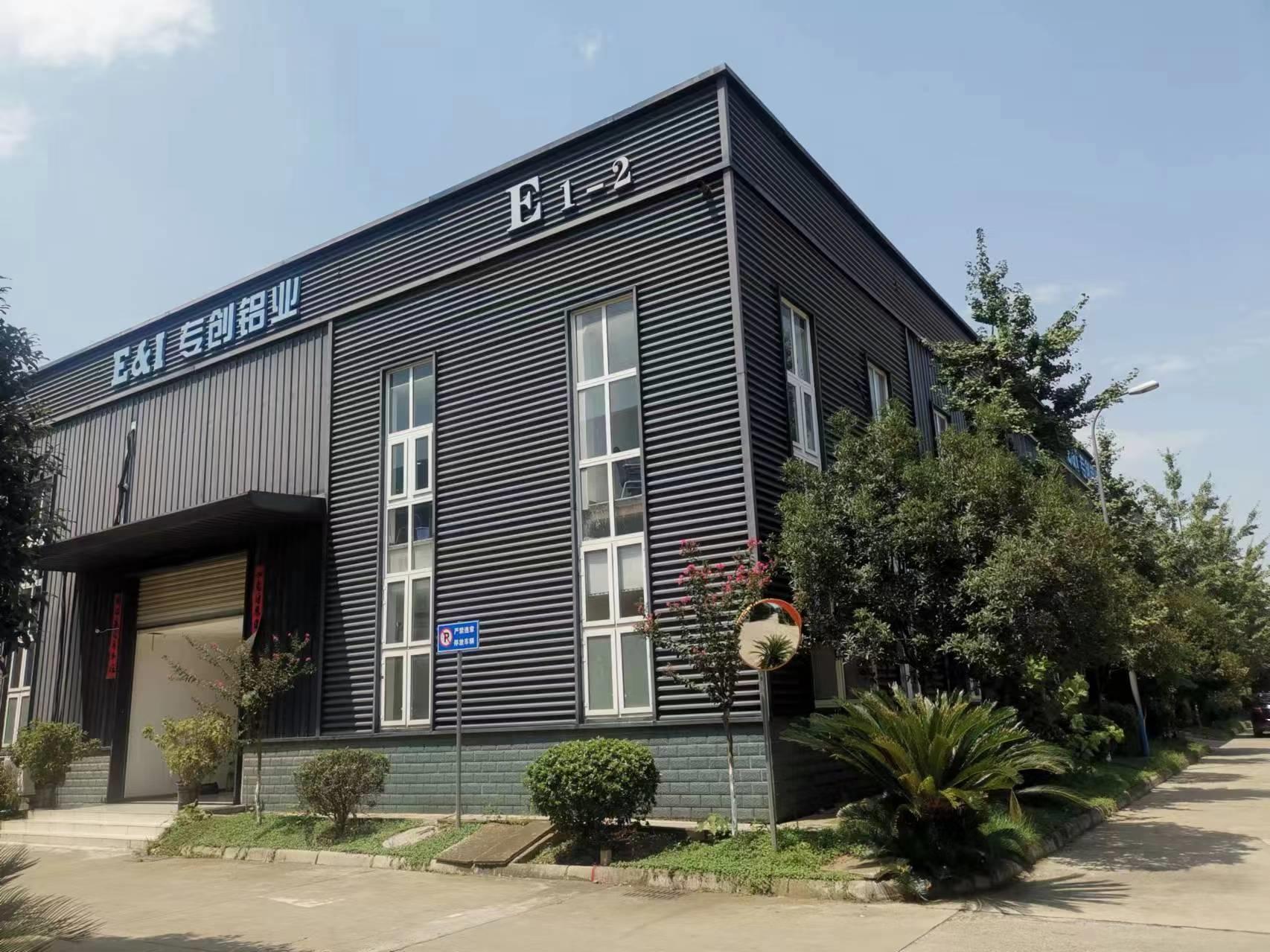
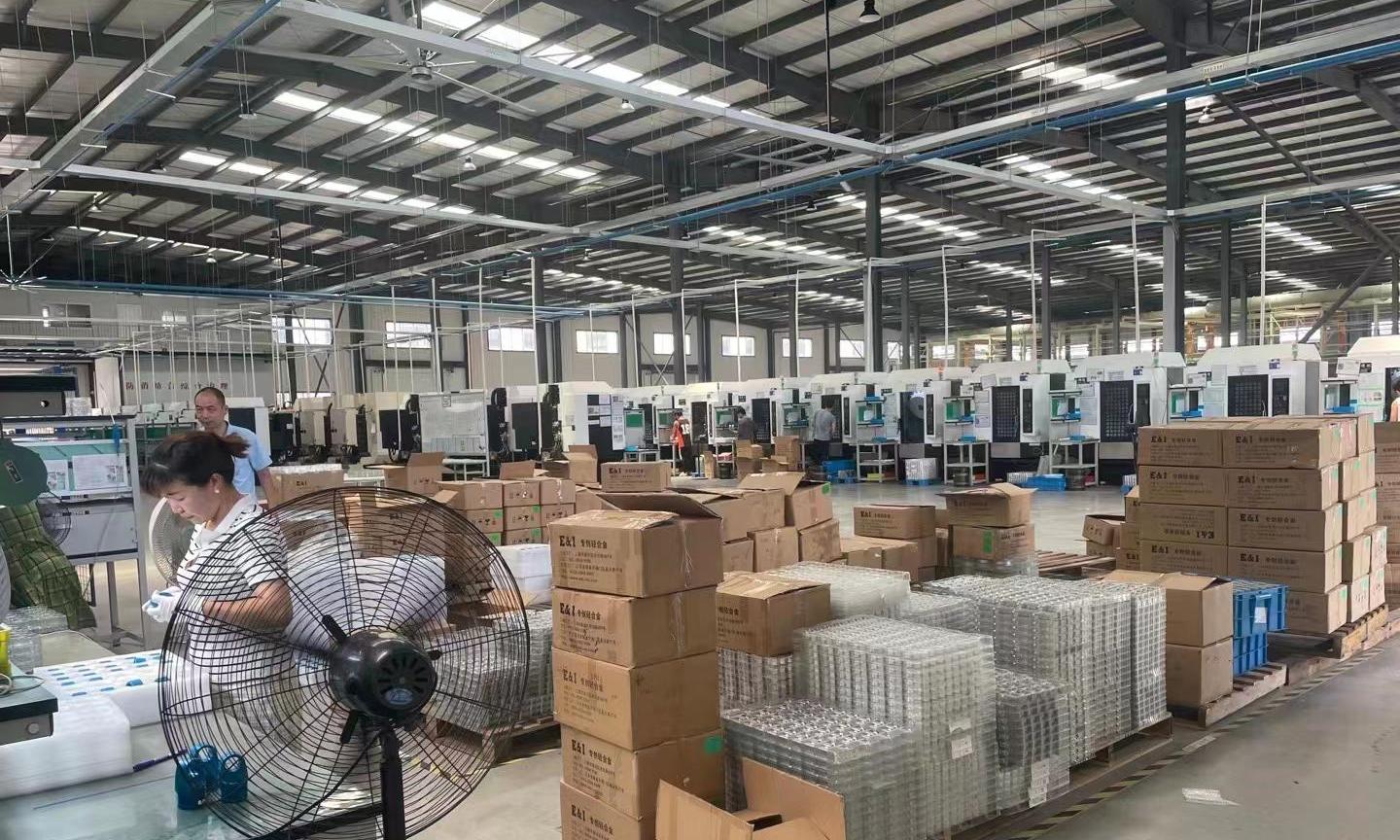
Our goal is to rank among the top three suppliers in China's aluminum alloy industry in terms of competitiveness, innovation, and technical strength. We aim to deliver exceptional commercial value to our shareholders, employees, customers, partners, and society, driving sustainable mutual development.
We treat our employees as our most valuable asset, supporting their personal development and offering competitive compensation packages.
We focus on delivering high-performance products and reliable services that create tangible commercial value for our clients.
Continuous investment in R&D ensures our products remain technologically competitive, helping us provide high-value-added solutions.
We work closely with customers, suppliers, and shareholders to build lasting, mutually beneficial relationships.
Ensuring supply chain reliability, technical documentation, and quality compliance across international borders.
Sourcing aluminum profiles globally requires strict adherence to regional regulatory and technical standards. Chengdu E&I Aluminum Industry Co., Ltd. ensures full compliance with international standards, helping simplify the procurement process for foreign engineering and purchasing teams:
Our extrusions are produced under rigorous quality management systems certified to ISO 9001:2015 and IATF 16949 (for automotive applications). All surface coatings meet RoHS and REACH environmental requirements, ensuring hassle-free clearance and deployment in the EU, Americas, and Asia-Pacific markets.
We provide localized engineering support by accepting and converting various CAD formats (including DWG, DXF, STEP, and SolidWorks). Our team assists in optimizing cross-sections to reduce material volume while maintaining required structural load capacities, minimizing trial extrusion costs.
To reduce local assembly labor costs, we offer customized kits. Profiles can be pre-cut to exact lengths, pre-drilled, tapped, and bundled with matching fasteners, allowing local assembly teams to assemble structures directly from the box.
Technical and commercial answers for structural engineers and procurement officers.
6063-T5 is the primary standard for 20x20 profiles due to its excellent surface finish and clean extrusion properties, making it ideal for moderate-load frameworks, electronic racks, and safety guards. 6061-T6 is a higher-strength structural alloy containing more magnesium and silicon, offering higher yield and tensile strength. It is selected for high-stress aerospace components, heavy machinery, or structures undergoing dynamic loading, though it has a slightly rougher surface finish.
The thickness of the anodized oxide layer directly determines the profile's wear and corrosion resistance. An 8-10 micron thickness is suitable for normal indoor environments. For cleanrooms, outdoor structures, or chemical environments, we recommend a 12-20 micron anodized coating. Thick coatings prevent deep scratches that can expose raw aluminum, which can lead to oxidation or environmental degradation.
Yes, our profiles are designed to meet standard European and international slot configurations (such as Slot 6, Slot 8, and Slot 10). This ensures compatibility with standard T-nuts, brackets, corner plates, and accessories from global modular hardware catalogs, simplifying procurement and field modifications.
Our standard extrusions conform to EN 755-9 high-precision criteria. In critical automation, semiconductor, and medical applications, we maintain tighter tolerances (down to ±0.1mm on cross-sectional dimensions and straightness deviations below 0.3mm per meter) through optimized tooling designs and strict control of our extrusion speeds.
Profiles are wrapped in protective polyethylene films, bundled with reinforced packing bands, and separated by soft buffering materials. Bulk orders are placed in IPPC-certified wooden crates or steel crates to prevent bending, scratching, or denting during sea transit, multi-port handling, and local delivery.
Yes, we provide full CAD design support, structural optimization, custom die manufacturing, and prototype extrusion testing. Once a custom die design is approved, we can produce first-article samples for mechanical testing and validation before proceeding with high-volume production runs.
Heavy-duty structural components, multi-slot modules, and customized architectural profiles from our factories.