
Engineered to meet high-load capacity and extreme structural tolerances in automation, logistics, and framework assemblies.
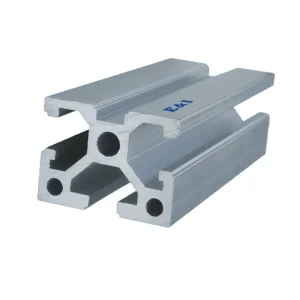
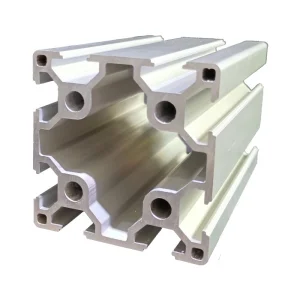
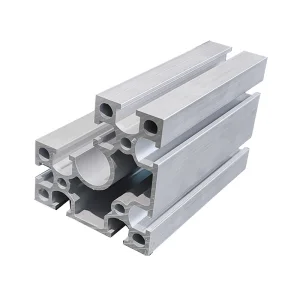
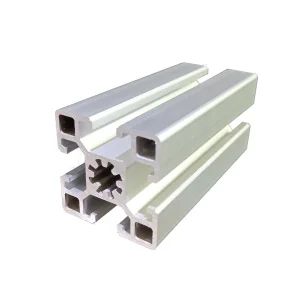
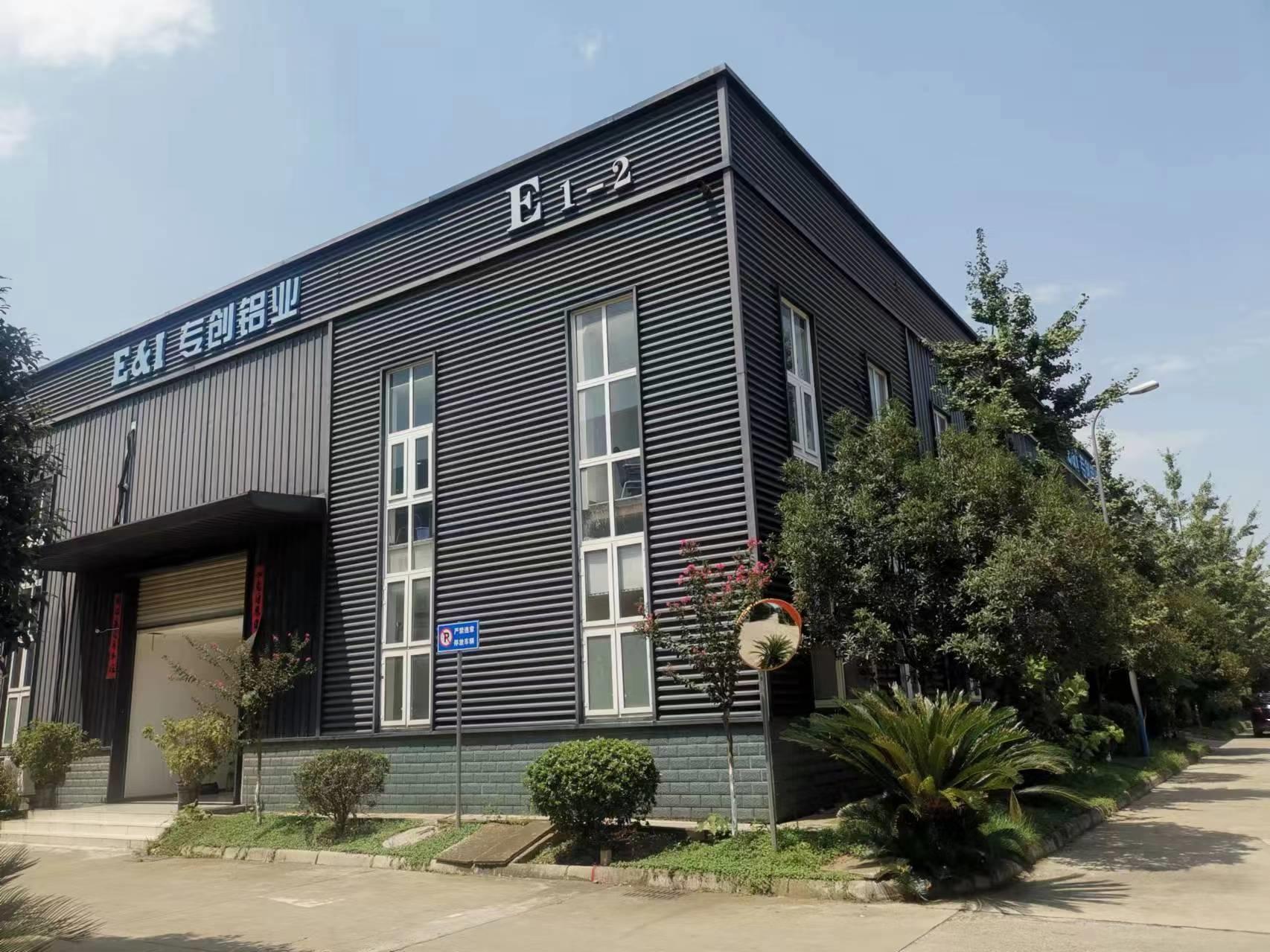
Chengdu E&I Aluminum Industry Co., Ltd., in line with the business philosophy of "people-oriented, quality value, technological innovation, and win-win cooperation", is dedicated to the research and development and manufacturing of aluminum alloy products with high difficulty, high precision and high requirements.
The company relies on The National Institute of Nonferrous Metals and maintains a professional aluminum alloy technology research and development team in China's light alloy industry. This structure allows us to provide customers with comprehensive overall solutions for advanced aluminum alloy products such as profiles, castings, and forgings. Our high-standard production and testing equipment guarantee absolute product quality, while our professional services create direct economic and structural value for our strategic partners.
Our key client portfolio includes Fortune Global 500 enterprises, including global automobile OEMs and aerospace organizations, cementing our status as a trusted Tier-1 supplier.
An in-depth analysis of the current market trajectory, metal supply lines, and industrial integration.
The global industrial landscape is undergoing a massive migration toward lightweight, structural materials that provide high strength-to-weight ratios. Profiled aluminium (extruded aluminium sections of complex cross-sections) has emerged as the definitive material of choice for engineers in automation, renewable energy, and transportation. Driven by carbon neutrality goals and energy efficiency demands, the demand for precision-extruded profiles has surged exponentially.
Industries are shifting away from traditional welded steel structures. The processing flexibility of 6000-series, 7000-series, and specialty structural alloys allows companies to implement modular structural systems without the labor-intensive requirements of welding, grinding, and post-machining. This transition reduces factory installation time by up to 60%, drastically cutting down total cost of ownership (TCO) for robotic production lines, factory fences, and heavy-duty frame assemblies.
"Global market research suggests that the extruded aluminium market will grow at a CAGR of 6.2% over the next decade, with the industrial and automotive sectors consuming over 45% of the total output. Advanced anodization and mechanical tolerance control are the primary factors driving supplier competitiveness."
Furthermore, geographic supply patterns have shifted. While raw billet production is localized in primary mining and smelting regions, high-precision engineering and custom profiling factories are concentrated in industrial corridors where advanced machining, surface treatment, and R&D coexist. Factories must now offer more than raw extrusions; they must serve as design partners capable of structural stress simulation and supply chain integration.
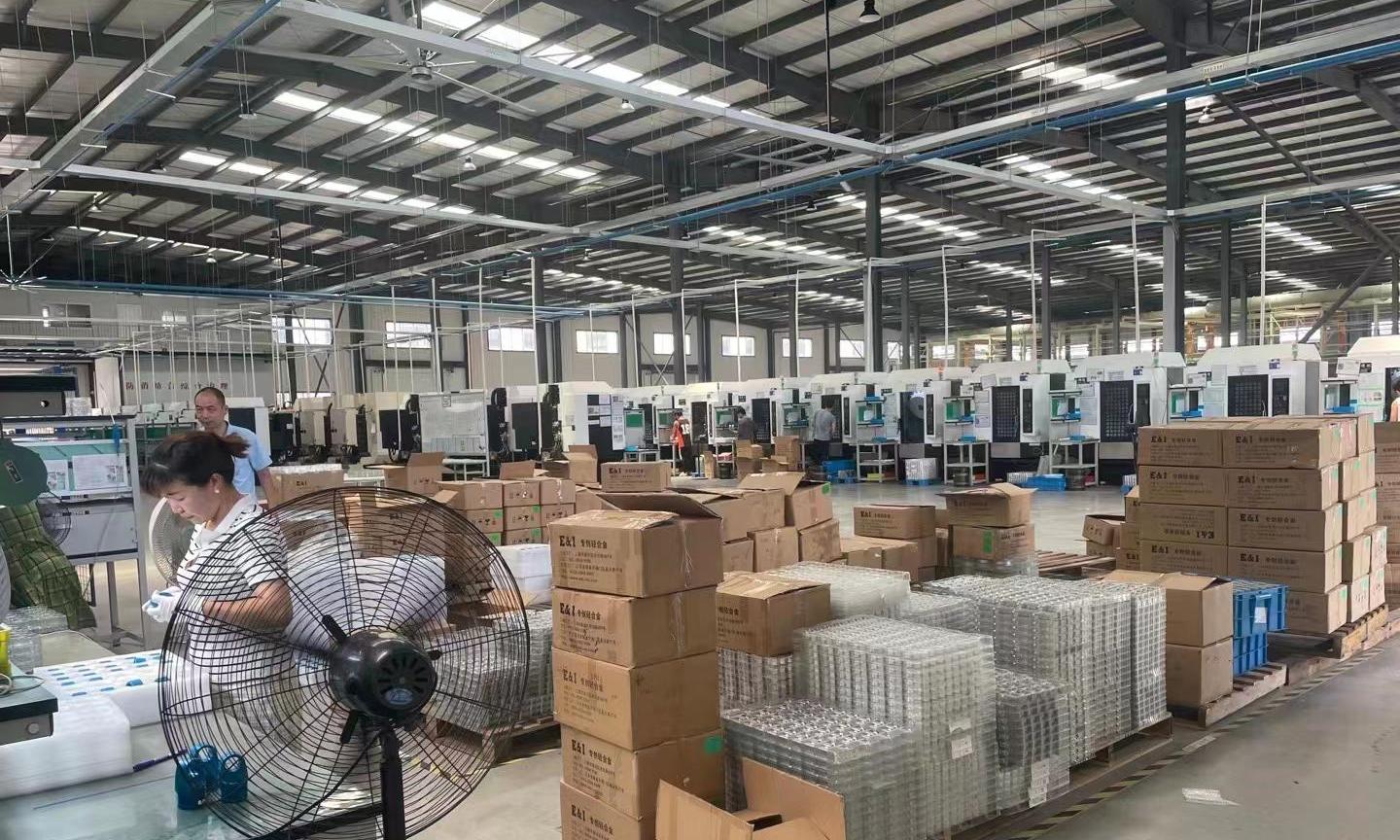
At Chengdu E&I Aluminum Industry Co., Ltd., we combine strategic metallurgical science with modern manufacturing. Our capabilities span the entire value chain: from raw custom alloy design to precision extrusion, automated anodizing, electrostatic spraying, and structural assembly. We run comprehensive production lines that supply structural modular frames, high-precision workbenches, protective mechanical fences, heavy-duty solar supports, conveyor systems, cleanroom sheds, and custom architectural elements.
All profiles are manufactured according to strict national and international high-precision standards. Key specifications include:
Our long-term goal is to rank among the top three Chinese companies in terms of structural product competitiveness, innovation ability, and metallurgical expertise. We want to enable our employees, shareholders, and global commercial clients to achieve strategic technological growth through mutual development.
Four structural pillars that define our manufacturing quality, employee growth, and strategic partnerships.
We treat our engineers and factory employees as our most vital asset, offering competitive career growth and healthy work environments.
We strive to deliver zero-defect profiles, implementing strict quality control from raw billet smelting to the finished anodized profile.
Ongoing investment in metallurgical research allows us to design high-complexity shapes and high-toughness alloys.
We work in perfect coordination with our clients' design pipelines to lower logistics costs, material weight, and assembly time.
How we are preparing for the next wave of lightweight manufacturing, structural simulation, and carbon-efficient processes.
As standard extruded aluminium profiles approach structural limits, the industry is turning to micro-alloying and precision thermal treatment to unlock further performance. In our R&D facilities, we are focusing on several technical routes:
Furthermore, our surface science department is actively testing hybrid finishes. By combining traditional anodizing with specialized ceramic nanocomposites, we are developing coatings that offer excellent wear resistance, chemical resistance, and electrical insulation properties—which are highly sought after in modern battery assembly and cleanroom facilities.
Standardized and custom engineered applications across key high-tech manufacturing sectors.
Our T-Slot and modular profiles serve as the structural backbone for robotic gantry systems, pick-and-place systems, and assembly lines. The lightweight nature of our profiles decreases motor load, leading to higher acceleration rates and energy savings.
We work directly with Tier-1 suppliers to manufacture high-precision chassis frames, battery trays for electric vehicles, and custom internal brackets. These components meet the strict crash safety and structural durability requirements of the automotive sector.
Our heavy-duty extruded profiles are designed for wind and solar mounting systems. They are optimized to handle heavy snow loads and high wind speeds, and their corrosion-resistant anodized finishes ensure a 25-year service life in outdoor environments.
Explore our structural profiles designed for extreme structural loads, long-span frameworks, and custom mechanical enclosures.
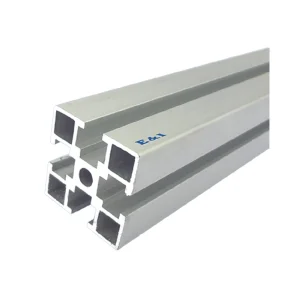
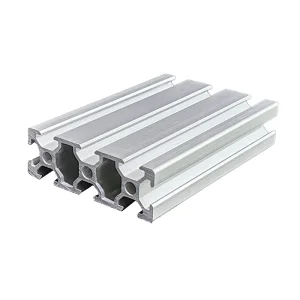
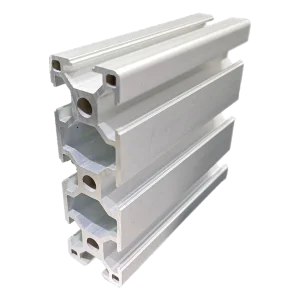
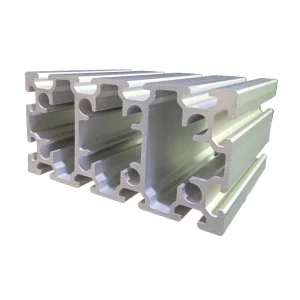
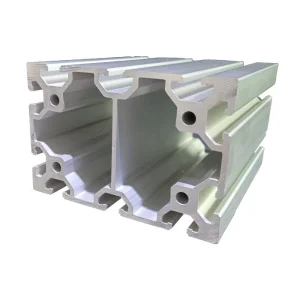
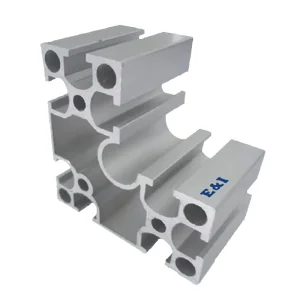
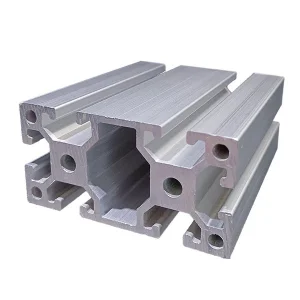
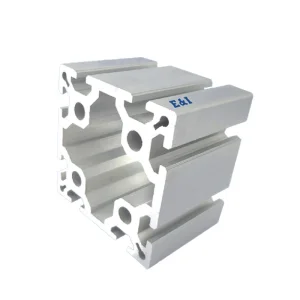
Exploring how different manufacturing clusters deploy T-slot and profiled sections to optimize industrial throughput.
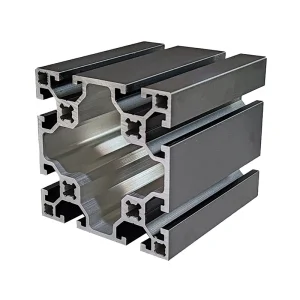
Industrial applications for profiled aluminium depend heavily on local environment conditions and industry clusters. For instance, in heavy-machinery corridors, heavy-duty structures like the E&I-10-80160H and E&I-10-100100B are commonly used as primary frame pillars for CNC machine enclosures, heavy robotic cells, and large assembly platforms. These systems demand high load capacities and minimal deflection under static load.
Conversely, in electronic assembly and high-tech cleanroom zones, lightweight profiles such as the ENI-6-6630 and ENI-8-3030LA are preferred. These regions prioritize ease of sanitization, fast assembly, and anti-static coatings. The profiles serve as cleanroom partitions, light conveyor structures, and custom test benches. In these applications, the anodized finish prevents particle shedding, ensuring cleanroom compliance.
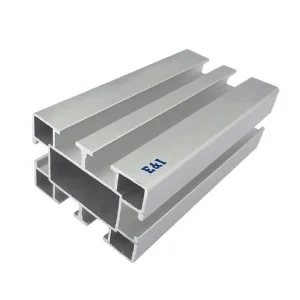
In logistics and materials handling facilities, structural profiles with an 8mm slot width (such as the ENI-8-4080F) are used to construct custom flow racks, mobile transport carts, and gravity-fed roller systems. The ability to quickly assemble, disassemble, and reconfigure these structures allows distribution centers to adapt to shifting product lineups without purchasing new equipment.
A reference guide for engineering teams selecting appropriate profiles for dynamic and static load applications.
When selecting a profiled aluminium system, designers must analyze several critical engineering metrics to ensure structural integrity and code compliance. The table below highlights the standard physical properties of our extruded structural profiles:
| Alloy Grade & Temper | Tensile Strength (MPa) | Yield Strength (MPa) | Elongation (%) | Hardness (Webster) | Typical Application |
|---|---|---|---|---|---|
| 6063-T5 | ≥ 160 | ≥ 110 | ≥ 8 | ≥ 8 | Standard Framing & Light Fencing (ENI-8-3030) |
| 6063-T6 | ≥ 205 | ≥ 170 | ≥ 8 | ≥ 10 | Medium-Duty Automation (E&I-8-6060) |
| 6061-T6 | ≥ 265 | ≥ 245 | ≥ 8 | ≥ 15 | Heavy-Duty Platforms & Columns (E&I-10-80160H) |
| 6082-T6 | ≥ 290 | ≥ 250 | ≥ 10 | ≥ 16 | High-Stress Marine & Structural Projects |
Beyond material grades, the profile's geometric Moment of Inertia (Ix, Iy) dictates its deflection behavior under stress. When calculating structural deflection, engineers should use standard mechanical formulas based on simple beam configurations:
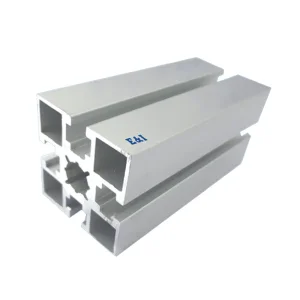
For columns subject to compressive loads, calculating the Euler critical buckling load is essential to avoid sudden structural collapse. Using profiles with larger cross-sections and square designs (such as the ENI-8-5050A) ensures high buckling resistance, making them ideal for heavy vertical supports.
Addressing the common questions raised by procurement managers and structural engineers.