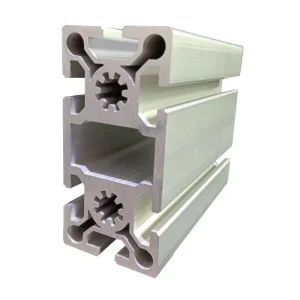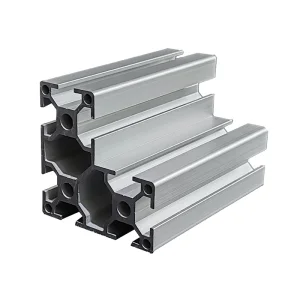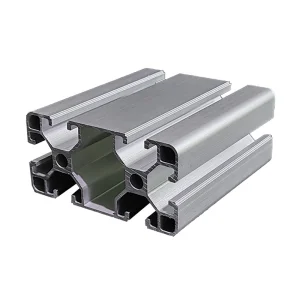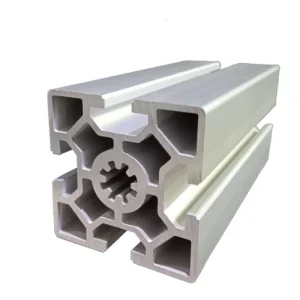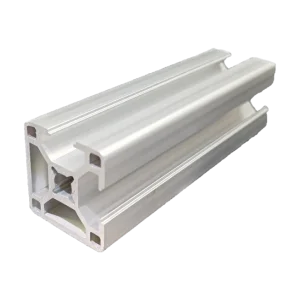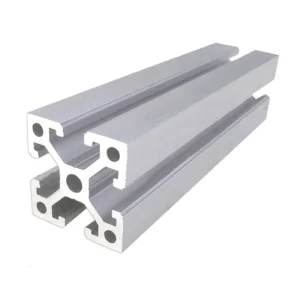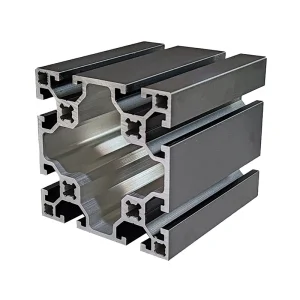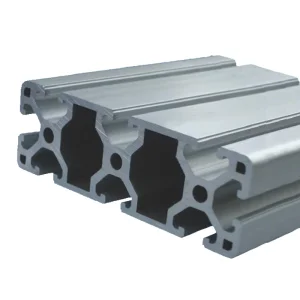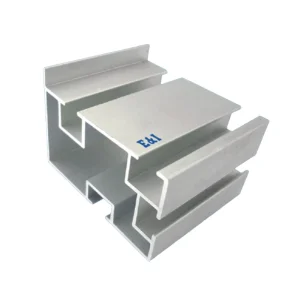
Engineered for absolute rigidity, modular flexibility, and dynamic load-bearing capabilities. Discover our top-tier industrial structural components.
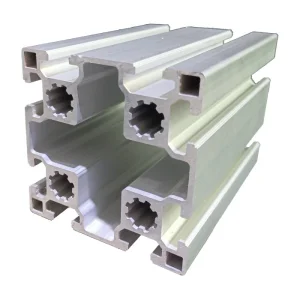
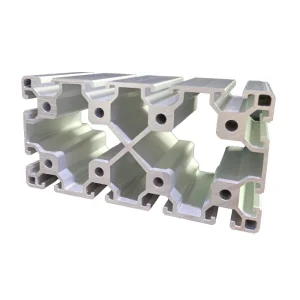
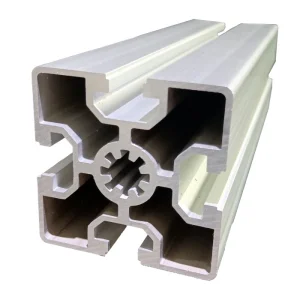
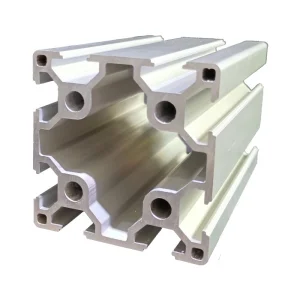
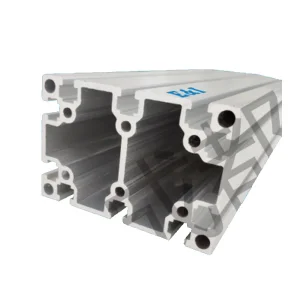
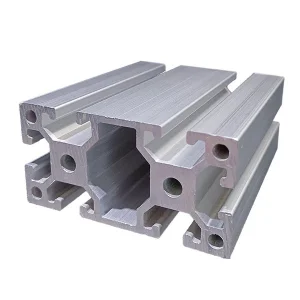
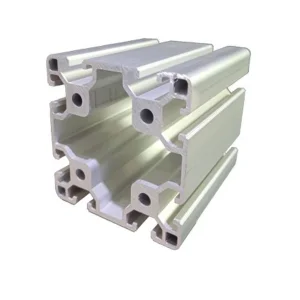
In modern structural engineering, aluminum modular systems have transitioned from simple alternatives to heavy welded steel frames to become the absolute core standard of automated manufacturing architectures. Globally, the demand for high-strength aluminum profiles and custom-fit frame connectors is expanding, fueled by major surges in robotics, semiconductor cleanrooms, electric vehicle manufacturing, and clean energy grid arrays.
Traditional structural steel framing, while rigid, introduces massive overheads in preparation time, specialized high-temperature welding, corrosion-preventative coating treatments, and high logistics costs. Aluminum modular setups bypass these restrictions completely. E&I extrusions and high-yield-strength profiles rely on precise mechanical joint connections. This structural design offers crucial advantages: high tensile performance, exceptional weight-saving attributes, rapid deployment speeds, and zero emissions on the shop floor.
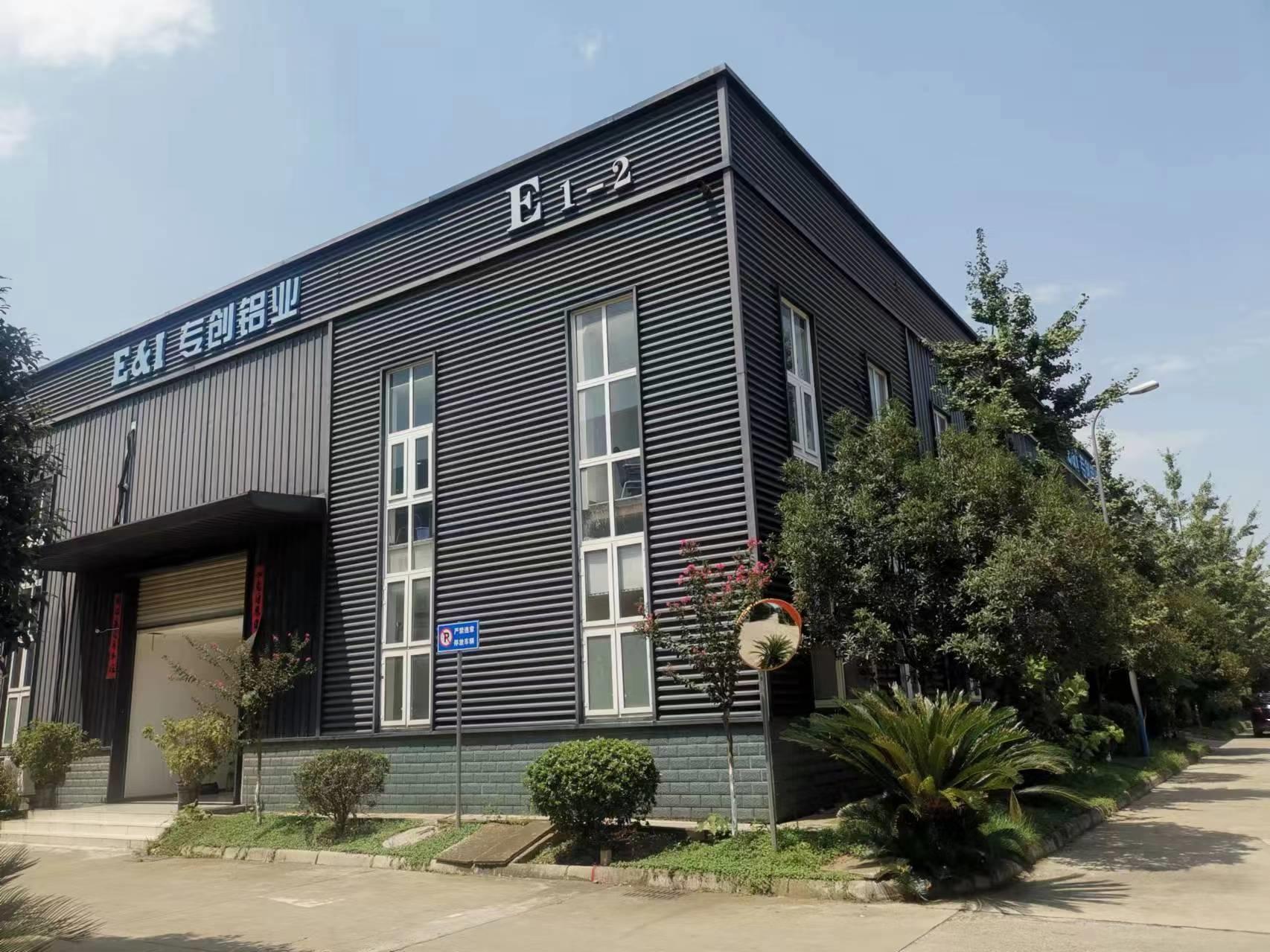
Established with a core design philosophy centered on "people-oriented focus, exceptional quality value, continuous technological innovation, and win-win strategic cooperation," Chengdu E&I Aluminum Industry Co., Ltd. stands at the absolute vanguard of industrial-grade engineering in the light alloy sector.
The organization works alongside the highly regarded National Institute of Nonferrous Metals, securing a highly professional, multidisciplinary technical team that leads the light alloy industry. Our extensive structural offerings range from premium extrusions, custom structural profiles, and high-load frame connectors to complex die castings and industrial forgings. Utilizing advanced production machinery and sophisticated testing benches, we establish strict quality limits to safeguard every batch. E&I serves global industry leaders and automotive manufacturers, delivering high performance and durability under challenging industrial conditions.
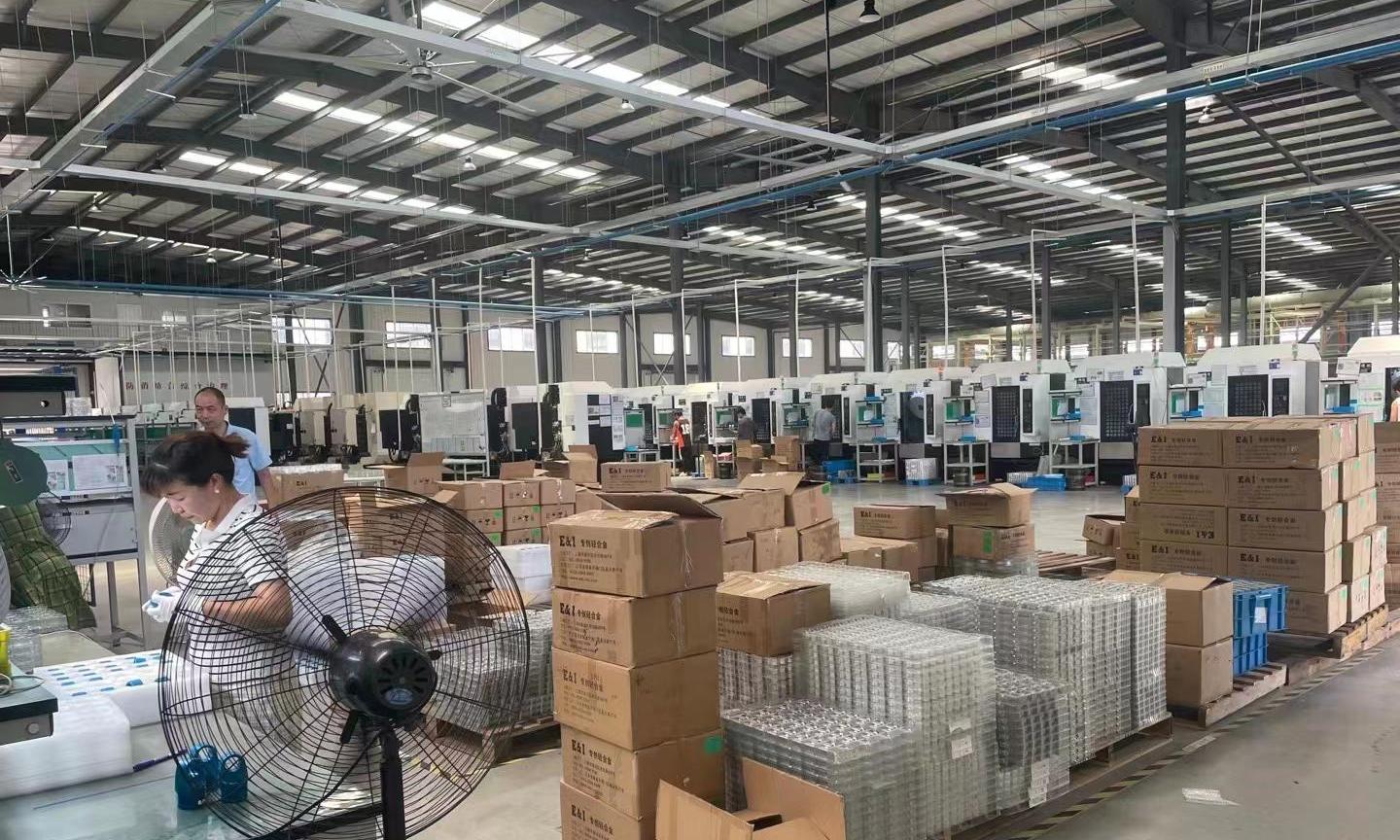
Chengdu E&I maintains vertically integrated production lines, featuring large-tonnage extrusion presses, automated electrostatic powder coating setups, and advanced anodizing baths. This infrastructure enables us to provide complete turnkey services, encompassing product analysis, structural calculations, component selection, precision machining, and onsite structural assembly. Our products are engineered to provide maximum load safety, structural stability, anti-loosening characteristics, and long-term durability.
We treat our employees as valuable assets, align with their professional growth, and offer competitive packages, driving innovation and mutual success.
We strive to supply defect-free components that perform reliably in challenging structural applications, maximizing long-term project value.
We invest systematically in structural research to maintain technical leadership, allowing us to supply high-value profile solutions to our global clientele.
Our goal is to rank among the top three leaders in China's industrial aluminum alloy market, evaluated by technical capabilities, custom extrusion quality, and innovation. We aim to supply long-term commercial value to partners, clients, and team members alike.
By working closely with material institutes and engineering groups, we ensure our extrusion profiles and connectors exceed standard structural tolerances. This rigorous focus enables us to design specialized solutions for aerospace assemblies, heavy machine structures, cleanroom enclosures, and demanding automotive production lines.
We establish long-term partnerships with raw material suppliers, engineering groups, and distributors. Working together helps us optimize supply chains, reduce manufacturing times, and deliver cost-effective structural systems.
Selecting the appropriate extrusion profile requires a clear understanding of structural mechanics, alloy chemistry, and mechanical properties. Below, we compare our standard high-performance industrial alloys.
| Alloy Grade & Temper | Yield Strength (MPa) | Tensile Strength (MPa) | Elongation (%) | Typical Applications |
|---|---|---|---|---|
| 6063-T5 | ≥ 110 | ≥ 160 | ≥ 8 | Standard light-duty workbenches, laboratory clean sheds, lightweight framing profiles. |
| 6063-T6 | ≥ 170 | ≥ 205 | ≥ 8 | Heavy-duty automation enclosures, mechanical brackets, logistics conveyors. |
| 6061-T6 | ≥ 240 | ≥ 260 | ≥ 10 | High-stress structural frames, automotive components, marine and aerospace test brackets. |
The integrity of a modular system depends heavily on its connection points. Selecting structural components requires balancing load distributions and ease of assembly. Common configurations include:
Mounted inside the profile channels to create clean, seamless corners. This setup is ideal for cleanrooms and structures requiring smooth exterior panels.
Bolted directly onto profile faces. This design offers high load capacities and excellent resistance to torsional twist under dynamic operations.
These thread directly into the profile's center core, creating strong end-to-end connections that maximize longitudinal load limits.
Designed to slide directly into profile slots. This allows components to be securely fastened without requiring additional machining or drilling.
E&I modular designs are used across various sectors to streamline manufacturing, improve facility flexibility, and maintain structural integrity.
High-speed pick-and-place robots and collaborative systems require durable enclosures to ensure operator safety and structural stability. E&I profiles, including the E&I-8-6060 and E&I-10-6060A, are designed to absorb vibrations and resist mechanical wear, providing long-term reliability for automated environments.
By using standard T-slot channels, engineers can easily mount protective screens, light curtains, emergency stops, and cable management trays directly to the structural framework.
Identify the span and load requirements (e.g., E&I 8080H).
Match structural brackets to calculated stresses.
Fasten connections on-site using standard tools.
Different regions and production layouts require customized structural configurations. Here are three common industrial scenarios:
Logistics centers handle heavy, variable loads. Using heavy-duty profiles like the ENI-8-4080F and ENI-8-40120 provides the necessary stiffness for long conveyor frames, minimizing structural deflection.
Recommended Joint: Hardened steel anchor fasteners to resist continuous vibration.
Microelectronic and laboratory environments require clean, non-outgassing structures. Clear anodized profiles like the ENI-6-6090 avoid particulate shedding and resist harsh chemical cleanings.
Recommended Joint: Internal blind joints to keep profile faces smooth and easy to clean.
Heavy industrial testing benches and assembly tables require strong supports. Utilizing the E&I-10-8080H heavy-duty profile ensures the frame remains rigid under heavy machinery loads.
Recommended Joint: Corner gussets combined with steel T-slot nuts for high structural integrity.
As manufacturing needs evolve, E&I continues to develop its extrusion processes and structural connector designs to meet future engineering challenges.
Modern manufacturing requires lighter, stiffer materials to handle high dynamic loads and reduce energy consumption. E&I is actively researching advanced aluminum-lithium formulations to improve tensile performance while lowering profile weight.
We are also working to integrate sensor technology directly into our connections. By embedding micro-strain gauges, systems can monitor structural integrity and joint stress in real time. This allows automated setups to detect bolt loosening or overload conditions before failure occurs.
Additionally, we focus on lowering the environmental impact of our production. By increasing the ratio of recycled aluminum in our profiles and utilizing green smelting processes, we help clients meet carbon-reduction goals without compromising structural performance.
Expert answers to common engineering questions regarding aluminum extrusions, joint selections, and dynamic load tolerances.
Additional industrial shapes, custom brackets, and high-performance profiles designed to complete your heavy-duty framing setups.