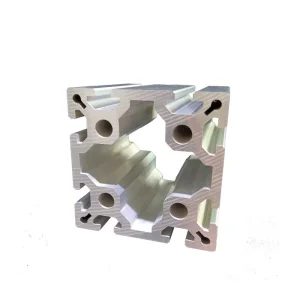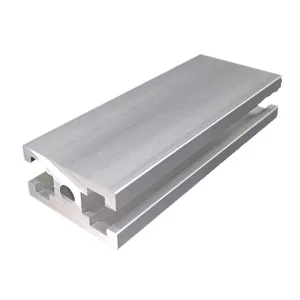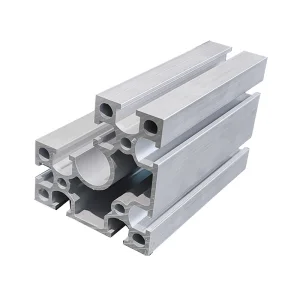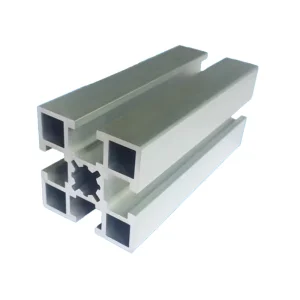
Explore our leading selection of structural profiles engineered for high-load systems, precision assembly setups, and cleanroom configurations.
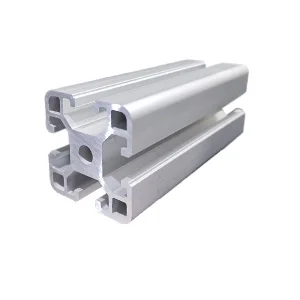
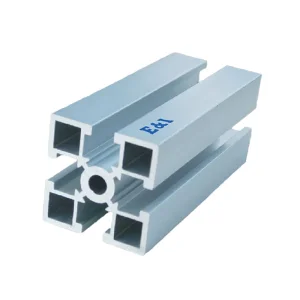
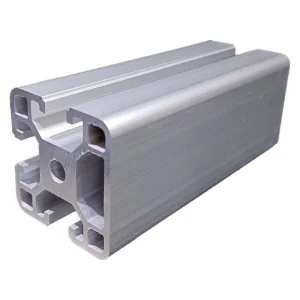
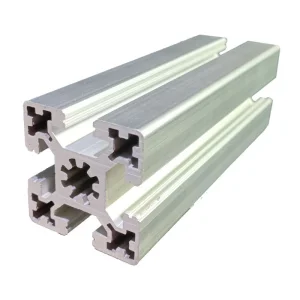
In the era of advanced engineering and precision automation, the selection of premium materials acts as the critical bridge between concept design and reliable operational reality. Modern industrial sectors demand structural elements that not only offer superior strength-to-weight ratios but also provide adaptability, clean aesthetic features, corrosion resistance, and rapid assembly options. This is where high-quality aluminium workshops and large-scale manufacturing factories step in. By leveraging advanced metallurgy and computerized extrusion processes, these specialized operations deliver standard and tailored architectural solutions, structural framing systems, modular workspaces, and heavy machinery support frameworks.
The global demand for custom aluminum configurations continues to surge, driven by structural revolutions in electric vehicle (EV) automotive frames, smart warehousing automation, solar array supports, semiconductor cleanrooms, and high-performance DIY architectural applications. As search engines prioritize high information gain and authoritative evidence of expertise, this white paper outlines the multi-tiered ecosystem of Chengdu E&I Aluminum Industry Co., Ltd. along with the global macro trends driving the evolution of industrial-grade extrusion technologies.
"Information Gain Principle: Industrial procurement decision-makers do not merely search for basic products; they seek comprehensive material documentation, structural safety guarantees, supply chain resilience factors, and technical expertise to mitigate long-term development risks."
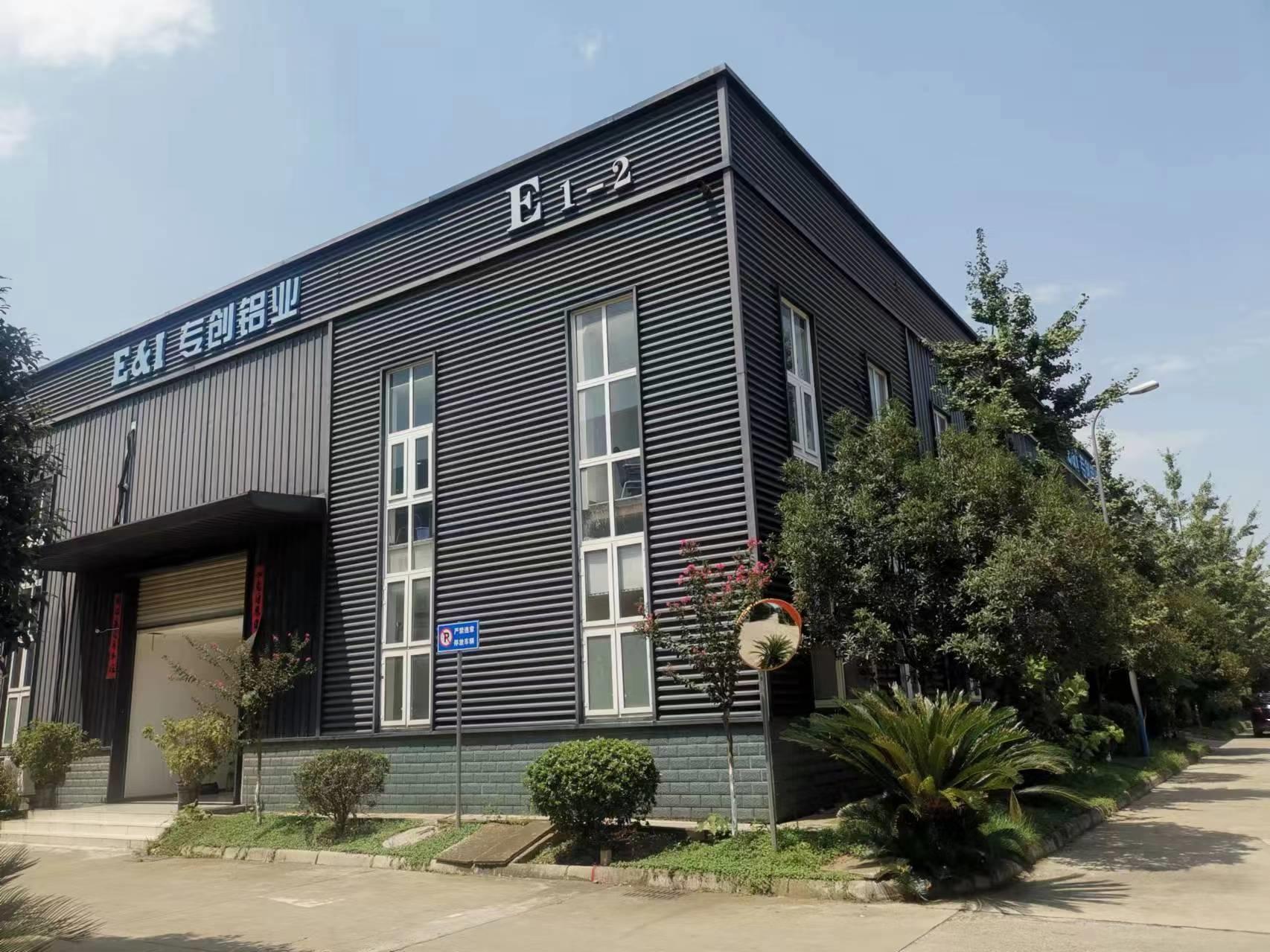
Chengdu E&I Aluminum Industry Co., Ltd., guided by its foundational business philosophy of "people-oriented, quality value, technological innovation, and win-win cooperation", is dedicated to the research, development, and high-capacity manufacturing of aluminum alloy products designed to meet challenging specifications, high precision requirements, and stringent industrial tolerances.
Partnering directly with premier metallurgical institutes and boasting a professional light-alloy development team, E&I Aluminum delivers complete structural solutions. We provide customers with custom shapes, custom extrusions, castings, and forgings that ensure superior structural integrity. Our advanced production and test lines are built to enforce rigorous Quality Control (QC) standards, translating into long-term value, durability, and operational cost savings. Over the decades, our strategic partnerships have expanded to include several Fortune 500 enterprises, prominent automotive giants, and global aviation leaders.
Empirical metrics demonstrating our scale, precision capability, and global industry footprint.
Our Vision & Mission: We strive to rank among the top three leaders in the domestic aluminum alloy extrusion sector, measured by product competitiveness, engineering innovations, and structural design capabilities. We aim to supply global supply chain partners with dependable materials, providing all stakeholders, shareholders, employees, and clients with joint opportunities for sustainable development.
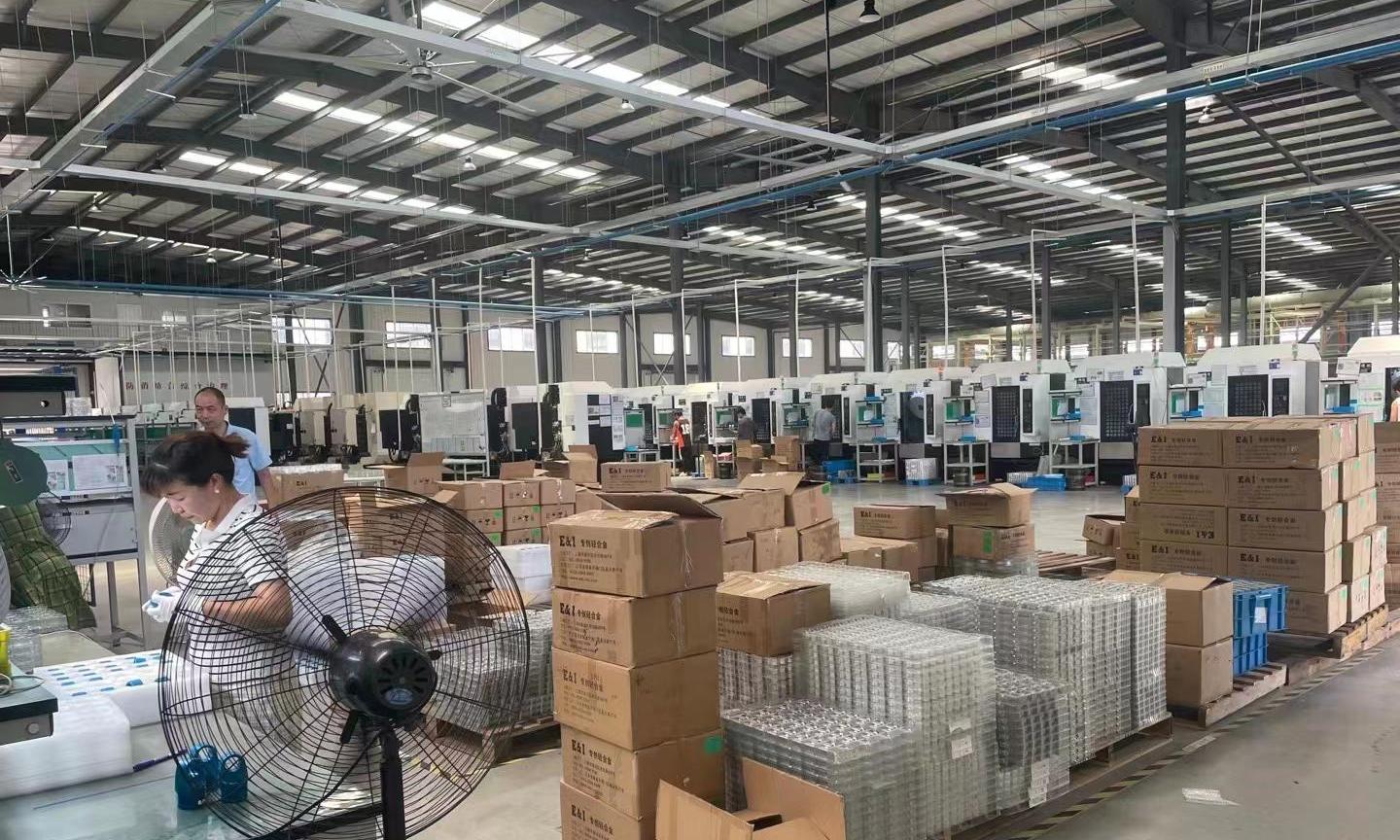
Our operational infrastructure includes high-precision extrusion presses, advanced anodizing and powder-coating treatment lines, and comprehensive mechanical processing equipment. This setup allows us to offer structural frames, safety guards, clean room structures, customized workstations, and assembly system setups in a true one-stop service model.
Our workforce is our greatest asset. We respect individual aspirations and career goals, creating paths for shared growth and providing competitive compensation within a safe, modern industrial environment.
Every profile exported from our factory undergoes strict dimensional inspection, anodizing layer checks, and structural tolerance calculations to ensure optimal performance in high-stress, real-world applications.
We continuously invest in research and development to maintain our leadership in design and manufacturing. Driven by technical innovation, management modernization, and smart factory upgrades, we work to build sustainable competitive advantages.
We focus on building strong strategic partnerships with our clients, employees, shareholders, and suppliers, driving shared efficiency, value creation, and industrial progress.
How technological innovations and environmental shifts are reshaping the modern extrusion factory landscape.
Modern assembly lines are transitioning away from heavy, welded steel structures toward modular, T-slot aluminum systems. Fastened aluminum frameworks can be quickly modified, extended, or repurposed on the factory floor without requiring hot work permits, welding inspections, or custom paint reapplications.
Industrial systems rely on specialized 6000-series (6063-T5, 6063-T6, 6061-T6) aluminum alloys. These alloys provide the yield strength, ductility, and structural rigidity needed to construct stable robot enclosures, material conveyors, and medical equipment frames.
Chinese production facilities are adopting automated extrusion, computerized anodizing, and multi-axis CNC finishing. This integration helps maintain stable manufacturing cycles, consistent tolerances, and rapid global delivery, even during shifting supply chain conditions.
To successfully source from global aluminum profile factories, procurement directors and engineering teams evaluate key technical, quality, and supply parameters:
By partnering with Chengdu E&I Aluminum Industry Co., Ltd., clients gain access to a reliable, accredited supply chain that handles every step from raw billet casting to final surface treatment. This collaborative approach helps eliminate procurement defects, lower engineering overhead, and speed up overall assembly times.
Aluminum profiles are used across a wide range of industrial, research, and commercial applications, where specific profiles are matched to distinct operating conditions:
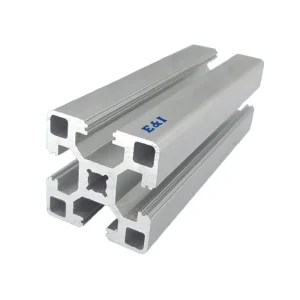
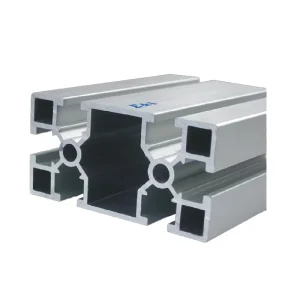
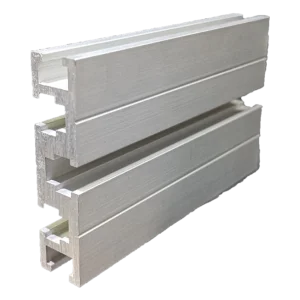
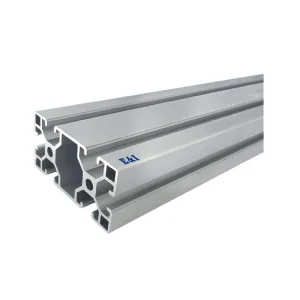
Modular automation setups use heavy-duty profiles like the ENI-6-1560 or E&I-8-4040E. These profiles feature robust multi-slot tracks that accommodate built-in cable paths, mounting brackets, sensor plates, and conveyor guides, simplifying line layout modifications.
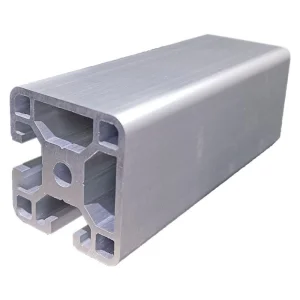
Industrial and lab environments require sturdy, organized workspaces. Using profiles like the ENI-8-4040GE or ENI-8-4040X, builders can construct drawer-integrated workbenches, sheet metal mounts, and overhead lighting frames that adapt easily to changing team tasks.
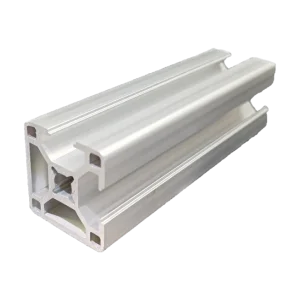
Safety partitions around high-speed machinery require durable, clear-view barriers. High-strength profiles like the ENI-8-3838B are ideal for constructing robust guardrails, impact-resistant safety fences, and lightweight panel frames.
Sensitive medical and laboratory equipment requires clean, non-magnetic, and corrosion-resistant supports. Precision profiles like the ENI-8-4080C offer the smooth finish and structural strength needed to construct cleanroom-safe stands and specialized medical carts.
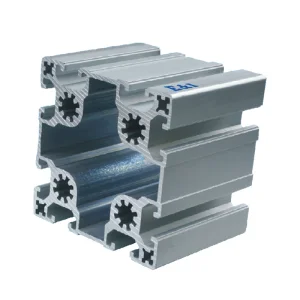
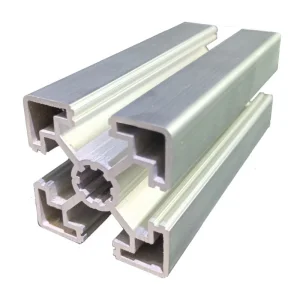
Large-scale automation and structural mounts require maximum load capacity. Heavy profiles like the E&I-8-100100 (100x100mm cross-section) and E&I-10-9090W (90x90mm cross-section) provide the high load-bearing capacity needed for heavy machinery bases and gantry structures.
Retail displays, exhibition booths, and custom office setups need to be easy to construct and visually clean. Versatile profiles like the ENI-6-6630 or ENI-8-4080G are well-suited for building display shelving, storage partitions, and lightweight DIY office desks.
Expert answers to common technical queries regarding modular aluminum profiles, load calculations, and finishing processes.
6063-T5: Offers a smoother surface finish and is easier to extrude into complex, thin-walled shapes. It provides moderate mechanical strength, making it the standard choice for architectural framing, modular workbenches, and safety enclosures.
6061-T6: Contains higher levels of silicon and magnesium, and undergoes a more intensive solution heat treatment and artificial aging process. This results in significantly higher yield and tensile strength, making it ideal for structural parts, heavy-duty machinery bases, and high-stress aerospace applications.
Deflection calculation depends on the beam's span length, load distribution, elastic modulus of aluminum (typically 70,000 N/mm²), and the profile's Moment of Inertia (Ix or Iy).
For a simply supported beam with a concentrated center load (F):
Deflection (f) = (F * L³) / (48 * E * I)
Where:
- F = Applied force (N)
- L = Span length (mm)
- E = Modulus of elasticity (70,000 N/mm²)
- I = Moment of Inertia (mm⁴)
Designers should ensure calculated deflection stays within safe allowable limits (typically ≤ L/500 or L/1000 for precision systems).
For indoor industrial frames, an anodizing layer of 10 to 12 microns (μm) is standard. For outdoor, coastal, or chemical-prone environments, we recommend a layer of 15 microns or thicker.
Anodizing oxidizes the aluminum surface to form a hard, integrated protective oxide layer. This layer prevents corrosion, improves surface hardness, reduces static electricity buildup, and helps maintain a clean finish over years of service.
Yes, aluminum is highly recyclable. Re-melting aluminum profiles requires only about 5% of the energy needed to produce primary aluminum from raw bauxite ore, significantly reducing the carbon footprint of factory equipment and supporting sustainable lifecycle designs.
While welded connections are permanent and offer high rigidity, they require skilled labor, heat treatment control, and subsequent painting or coating.
Modular fasteners (such as T-nuts, brackets, and joint strips) allow for fast assembly with simple hand tools. This mechanical fastening method simplifies shipping, enables quick on-site layout changes, and eliminates the risk of heat distortion associated with welding.
Explore our selection of heavy-duty profiles, framing accessories, and structural components designed for high-stress industrial applications.