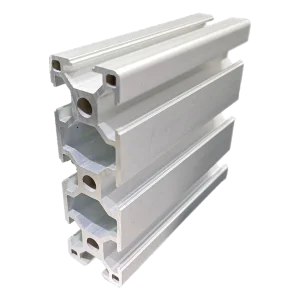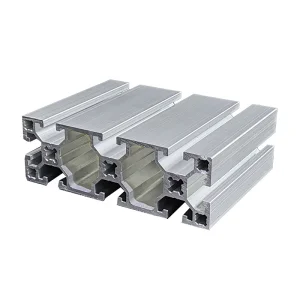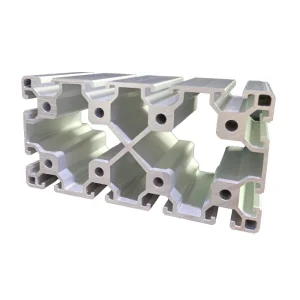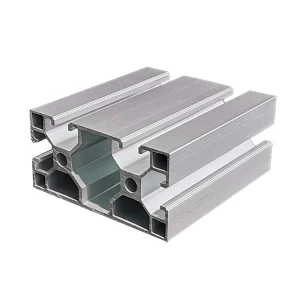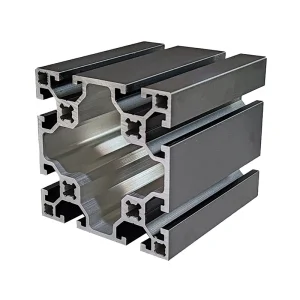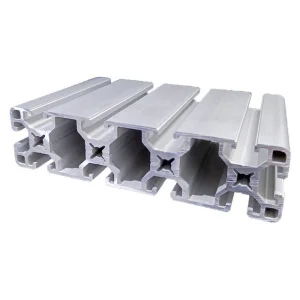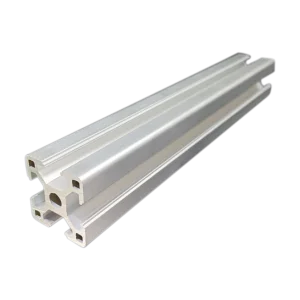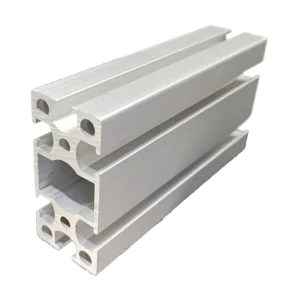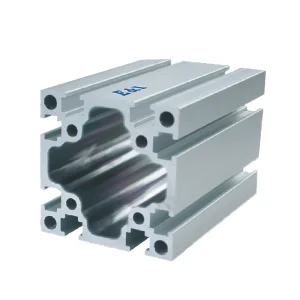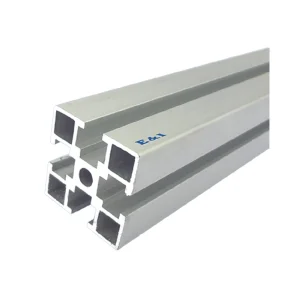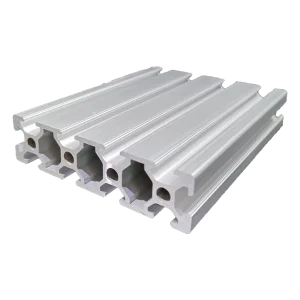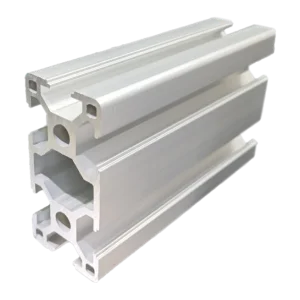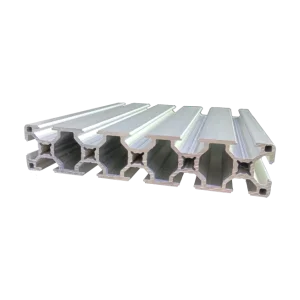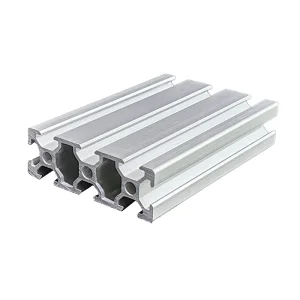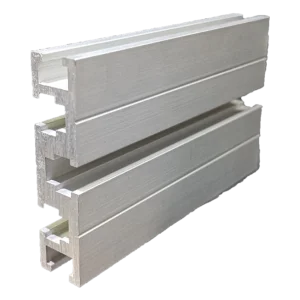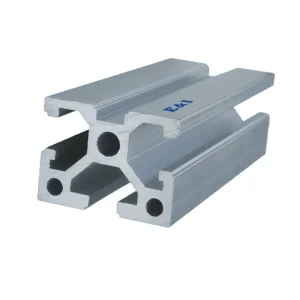
Direct engineering integration components designed for high-load capacity and extreme durability.
In the landscape of modern structural engineering, the traditional paradigm of using structural carbon steel frames has dramatically shifted. The contemporary industrial sector demands materials that balance high specific strength, extreme corrosion resistance, and high geometric configuration flexibility. EI Slotted Aluminium Tubes represent the cutting-edge standard in modular framing technologies, bringing structural adaptability and reducing installation lead times by up to 65% compared to welded configurations.
Slotted aluminum tubes and profile dynamics rely on T-slot or V-groove layouts. These specialized structural geometries integrate continuous channels along their longitudinal axes, enabling direct, post-assembly mounting of brackets, linear actuators, and protective panels. By using high-strength aluminum alloys (primarily within the 6000-series Al-Mg-Si family, such as 6063-T5 or 6061-T6), engineers achieve the mechanical performance of light alloys while preserving the option to continuously modify and scale mechanical frameworks.
Utilizing engineered internal cavities and optimized wall thicknesses to maximize Moment of Inertia (Ix, Iy) while minimizing profile mass per linear meter.
Slotted tracks accept slide-in T-nuts and dynamic fasteners, ensuring fast assembly and reconfiguration without the thermal stresses of arc welding.
Standard anodization provides an ultra-hard, non-reactive aluminum oxide outer layer, making it ideal for cleanrooms and harsh automotive workshop environments.
The worldwide industrial consumption of slotted aluminum profiles has seen double-digit growth over the past decade, driven by automation, EV production lines, and renewable energy racking structures. Globally, enterprises are moving away from bespoke, single-use steel skeletons toward standard modular profiles. Chengdu E&I Aluminum Industry Co., Ltd. sits at the intersection of this transition, delivering custom-extruded profiles that strictly comply with international standards including EN 755, ASTM B221, and GB/T 5237.
| Profile Designation | Slot Dimension | Tensile Strength (MPa) | Yield Strength (MPa) | Primary Industrial Applications |
|---|---|---|---|---|
| ENI-8-3090 / ENI-8-3060 | 8 mm | ≥ 215 | ≥ 170 | Modular protective machine covers, clean sheds, electromechanical structural frames. |
| ENI-8-40120Y / E&I-8-80160 | 8 mm | ≥ 245 | ≥ 205 | Heavy-duty machinery frames, heavy automation rails, large-scale assembly line jigs. |
| ENI-8-8080Y / ENI-8-40160B | 8 mm | ≥ 230 | ≥ 190 | High-load storage racks, automotive chassis assembly rigs, multi-axis automated stages. |
| ENI-6-3060C / ENI-6-2080 | 6 mm | ≥ 195 | ≥ 150 | Lightweight display structures, cleanroom enclosures, optical laboratory tables, automated testing stations. |
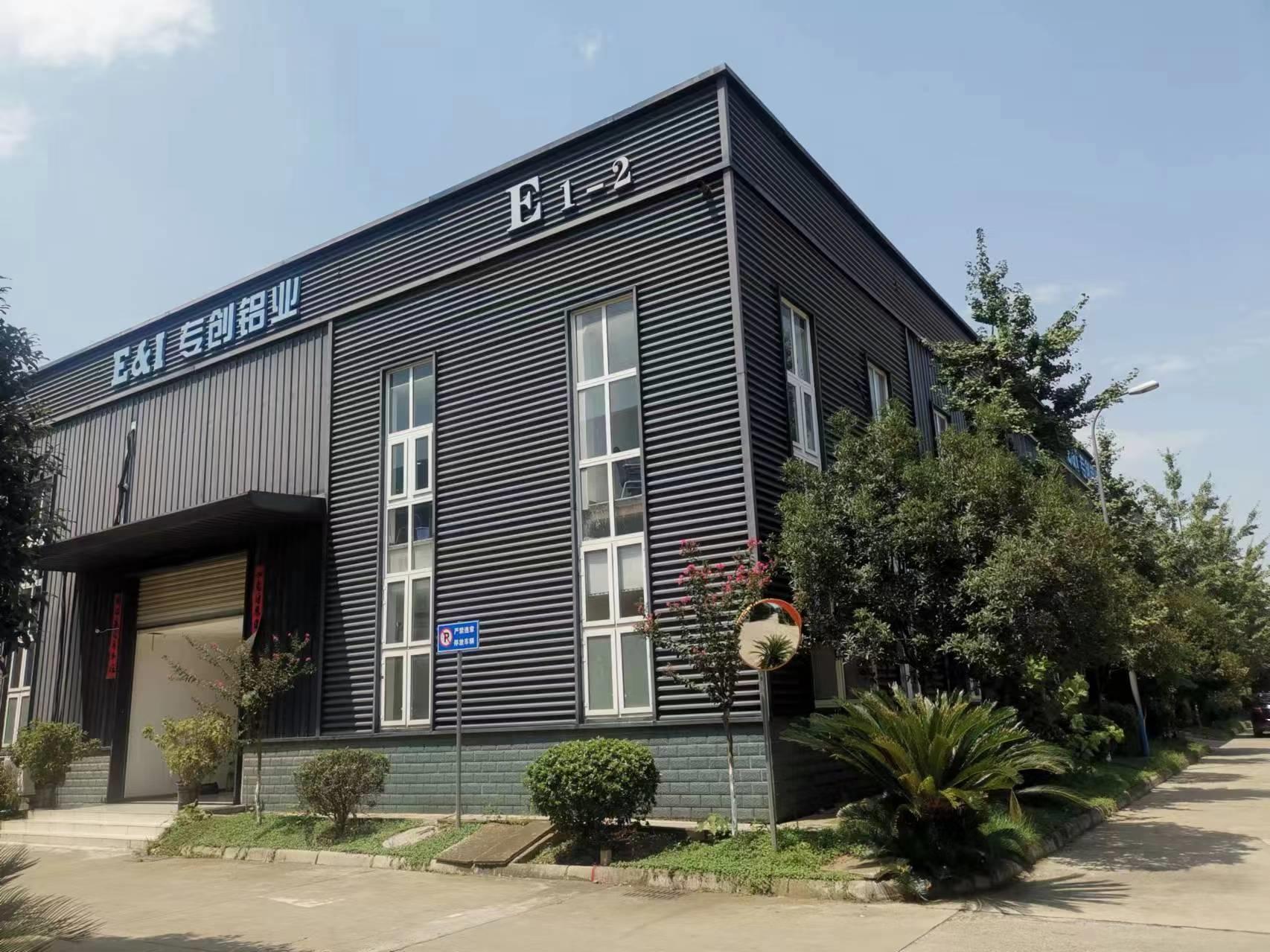
In accordance with our core corporate philosophy of "people-oriented, quality value, technological innovation, and win-win cooperation", Chengdu E&I Aluminum Industry Co., Ltd. is dedicated to the research, development, and engineering manufacturing of highly challenging, high-precision, and rigorous aluminum alloy profiles. Our technical infrastructure relies on strategic collaboration with the National Institute of Nonferrous Metals, drawing on light alloy technology R&D teams in China's light alloy industry.
Our primary operational objective is to offer overall engineering solutions for custom aluminum alloy extrusions, castings, and forgings. Through a robust processing cycle that combines design, simulation, and automated extrusion lines, we cater to demanding global industries, including automotive manufacturers, aerospace developers, and high-tech cleanroom operators.
When evaluating a slotted aluminum tube for industrial application, engineers must assess the profile's capacity to withstand static bending moments, torsional forces, and dynamic shear stresses. The slotted section geometry allows for direct calculation of the structural load path. The moment of inertia values (Ix and Iy) are critical indicators of the tube's resistance to deflection under loading.
For a simply supported beam with a central concentrated load F, the deflection f is calculated as:
f = (F * L3) / (48 * E * I)
Where E represents the Modulus of Elasticity of the Aluminum Alloy (approximately 70,000 MPa), L is the span length, and I represents the profile's Moment of Inertia along the deflection axis. Our engineering team assists buyers in sizing the profile geometry (e.g., choosing heavy-duty profiles like E&I-8-80160 instead of light-duty ENI-8-3030LA) to ensure the structure operates safely within its elastic limit.
While standard round or square tubes require drilling and welding to connect accessories, the slotted profile allows for direct clamping. Key advantages include:
Chengdu E&I Aluminum Industry Co., Ltd.'s product line supports diverse applications across clean tech, mechanical infrastructure, and advanced material handling:
Profiles like ENI-8-3060 Anodized Modular Design Clean Sheds are ideal for semiconductor and biomedical facilities. The anodized finish prevents particle shedding, matches ISO Class 1 to Class 9 requirements, and resists chemical wipe-downs.
Our ENI-8-40160B profile provides structural frames for storage racks in automotive repair workshops and service stations. These profiles handle heavy components like engine blocks and transmissions while remaining easy to clean and reconfigure.
For industrial automation, ENI-6-1560 and ENI-6-2080 profiles serve as mounting frames for linear guides, sensors, and pneumatic systems. The modular slots enable quick mounting of wiring channels and automation components directly to the main frame.
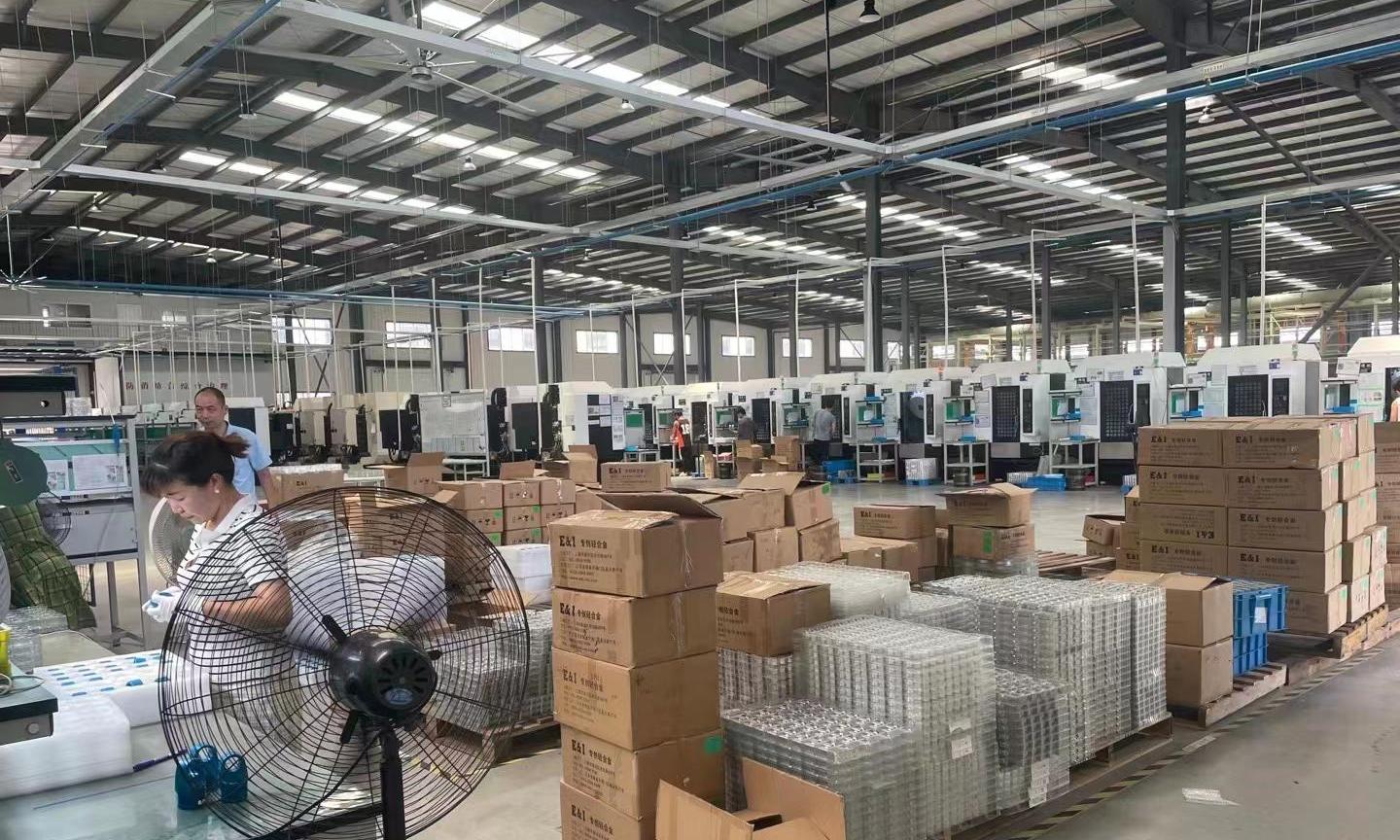
Our goal is to rank among the top three manufacturers in China's aluminum alloy industry for product competitiveness, innovation, and technical capability. By continually refining our extrusion techniques and expanding our CNC processing capabilities, we ensure our partners receive long-term reliability and support.
This commitment ensures our customers, partners, and stakeholders achieve sustained success. Our strict manufacturing controls deliver predictable mechanical tolerances, straightness within 0.3mm per meter, and uniform surface finishes across every production run.
Find answers to key technical questions about alloy selections, loading limits, and surface treatment standards for industrial applications.
Specialized custom-engineered extrusions for precision applications, cleanrooms, and architectural framework solutions.