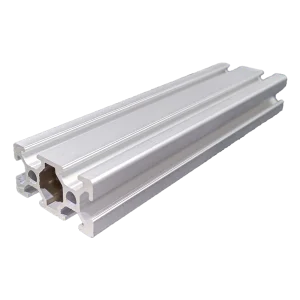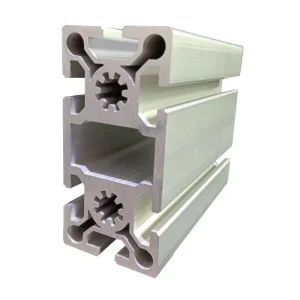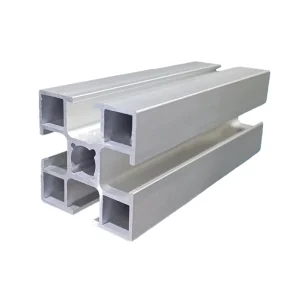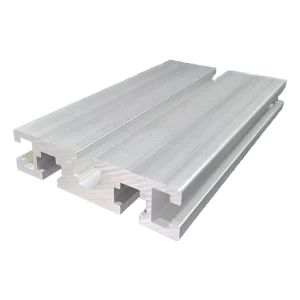
Explore our high-precision, heavy-duty T-slot aluminum extrusions designed for mechanical framing, climbing structures, and automated assembly operations.
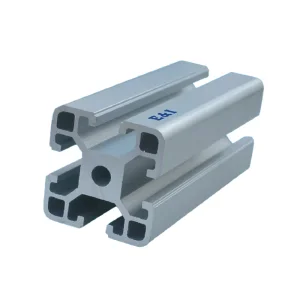
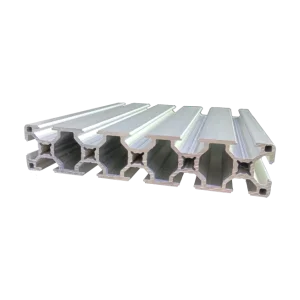
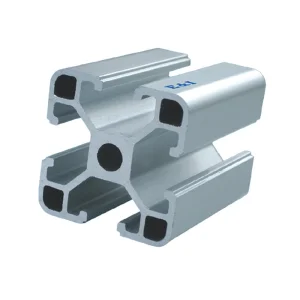
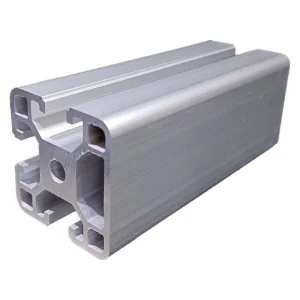
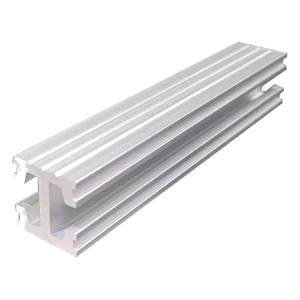
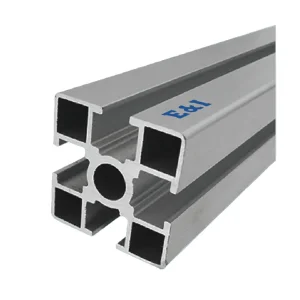
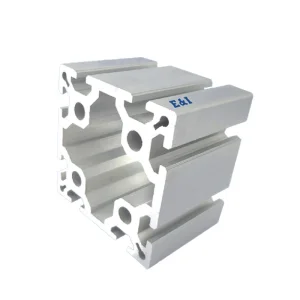
T-slotted floor plates constitute the foundational layer for high-precision mechanical engineering, structural loading assessments, dynamic vibration testing, and precise alignment procedures. Traditionally constructed from high-tensile cast iron (such as GG25 or GG30 class cast iron) or structural carbon steel, these plates feature precision-machined T-slots conforming to DIN 650 tolerances. They serve as reliable datum planes for anchoring heavy machinery, aligning multi-axis test rigs, and securing workpieces during heavy-duty milling, drilling, and coordinate measuring operations.
In highly modular automated production environments, the combination of traditional slotted cast iron floor beds and high-strength extruded aluminum modular structures has revolutionized machine configuration. This hybrid design methodology optimizes mechanical damping, weight distribution, and assembly speed. High-rigidity structural aluminum profiles—such as the ENI series produced by Chengdu E&I Aluminum Industry Co., Ltd.—integrate seamlessly with slotted anchoring systems, delivering flexible assembly and reliable load support without the time-consuming processes of welding, stress-relieving, and painting structural steel frames.
Modern assembly lines require swift, structural adjustments to adapt to shifting product demands. Standard static cast iron plates provide the absolute planar foundation, while high-performance aluminum extrusion frameworks rise vertically to form robot gantries, automated conveyors, cleanroom enclosures, and mechanical fences. The mechanical interface between these components relies on specialized T-slot bolts (e.g., M6, M8, M10, or M12) that slide into the channels, providing concentrated clamping forces while preserving surface integrity.
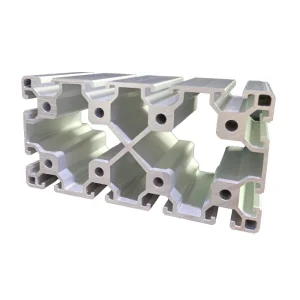
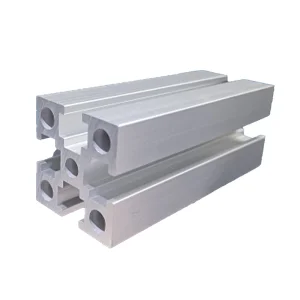
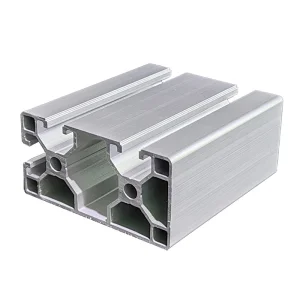
By Utilizing precision-extruded profiles like our ENI-8-4040EE or heavy-duty E&I-10-100100B, engineers can build robust frames that bolt directly into floor plates. The anti-loosening and shock-resistance profiles prevent structural drift under high vibrational loading—a common failure point in poorly toleranced modular setups. E&I's structural extrusions are produced under strict national high-precision requirements, assuring flatness, dimensional accuracy, and optimal material density.
A leading research, development, and manufacturing hub dedicated to high-difficulty, high-precision, and high-requirement aluminum alloy products.
Established as a premier technological pioneer in Southwest China, Chengdu E&I Aluminum Industry Co., Ltd. operates under the core business philosophy of "people-oriented, quality value, technological innovation, and win-win cooperation." We are strategically positioned to resolve complex engineering challenges for industrial applications, providing complete structural solutions covering extruded profiles, precision castings, and high-strength forgings.
Our research and development team collaborates closely with The National Institute of Nonferrous Metals, one of China's most respected light alloy research divisions. This deep scientific backing allows us to deliver advanced structural designs, rigorous quality testing, and specialized extrusion services that fulfill the demanding specifications of global automotive, aerospace, cleanroom, and automated manufacturing enterprises. Our products have earned recognition from Fortune 500 companies, including prominent international vehicle manufacturers and commercial airlines.
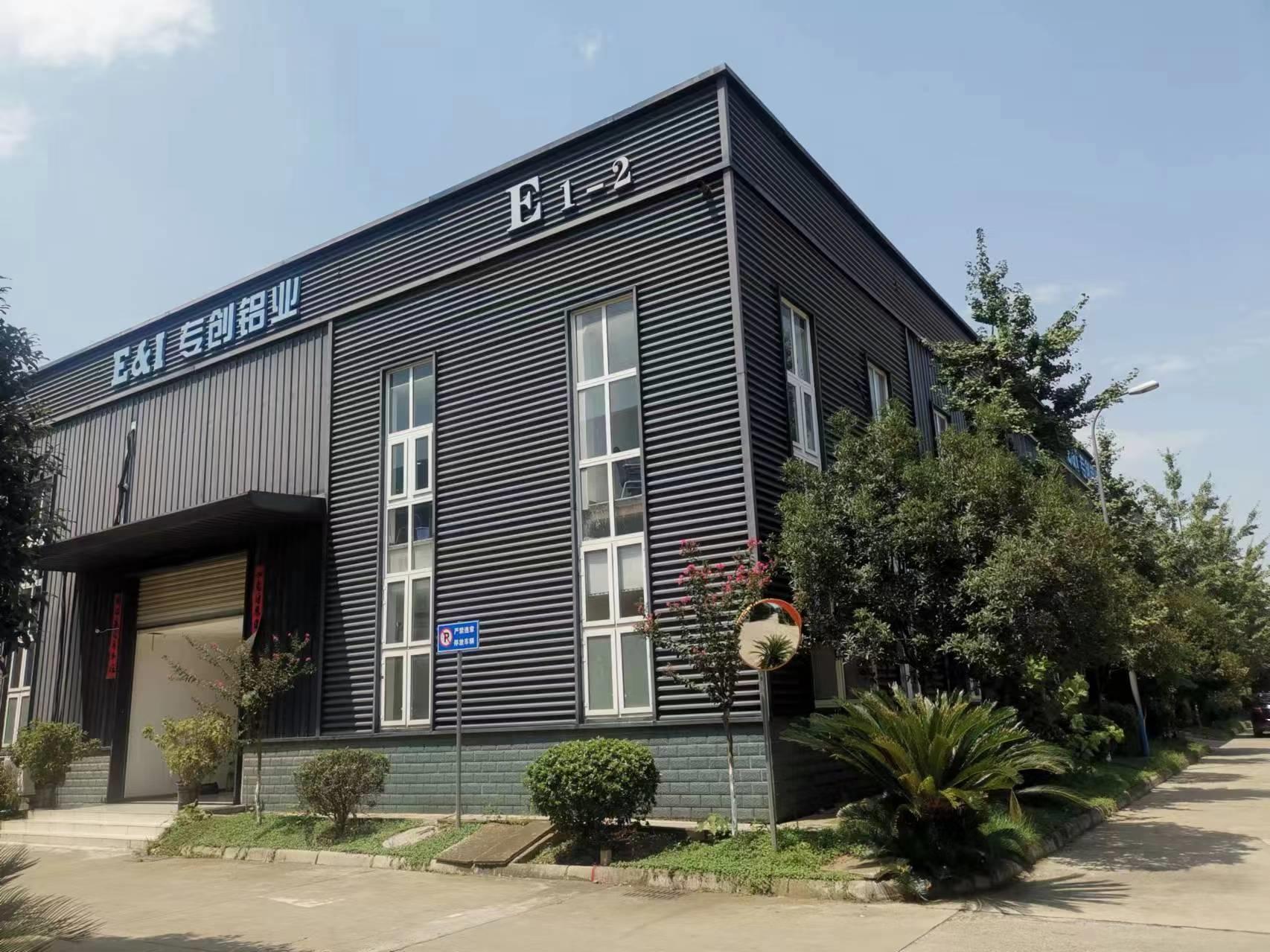
We regard employees as our greatest wealth. We provide continuous career path development, competitive compensation packages, and a safe, modern industrial working environment to cultivate innovative engineering minds.
Our manufacturing philosophy focuses on generating tangible value for our clients. Every extrusion is rigorously analyzed for mechanical yield strength, surface thickness, and dimensional accuracy to ensure durability.
We invest heavily in metallurgical research. Innovation is our tool to outpace industry competitors. We coordinate profile structural optimization, tooling improvements, and advanced management systems to build long-term value.
We build mutual success with our clients, suppliers, and distribution partners. Our goal is to serve as a reliable strategic manufacturing partner, delivering structural safety and lowering overall system costs.
How Chengdu E&I leverages China's industrial supply chain integration to deliver high-quality, cost-efficient modular framing systems worldwide.
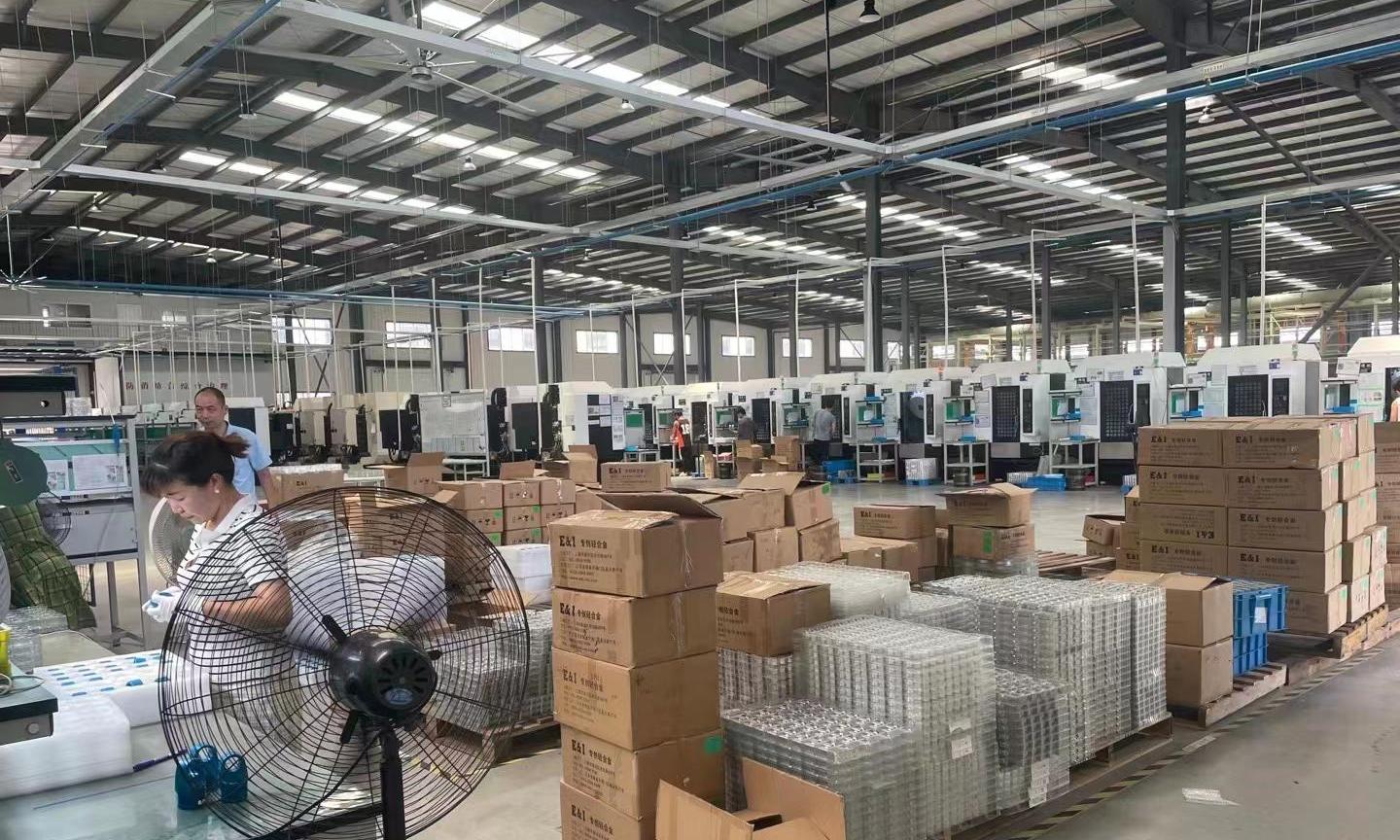
Securing high-precision structural products at a competitive price point requires access to a complete manufacturing ecosystem. Chengdu E&I's manufacturing facilities utilize Southwest China's rich nonferrous metallurgical reserves and advanced infrastructure. By grouping smelting, extrusion tooling design, precision CNC machining, and surface treatments like automated anodizing within a single geographical hub, we minimize logistics friction and reduce production lead times.
Our manufacturing capabilities cover the entire lifecycle of T-slot aluminum extrusions and structural sub-assemblies. E&I controls product chemistry and mechanical tempering (e.g., standard 6063-T5, 6061-T6 alloys) to ensure that every profile possesses optimal tensile strength, minimal deflection characteristics, and excellent machinability. This control guarantees that our profiles connect securely and retain structural flatness, preventing deformation even under heavy dynamic stress.
Translating heavy structural components into turnkey solutions for automation, automotive engineering, cleanroom environments, and test labs.
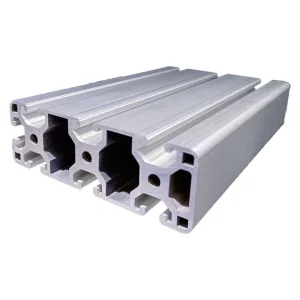
Modern automated lines rely on structural consistency. Using lightweight, high-load industrial aluminum profiles like ENI-8-30150A or ENI-6-2040, design engineers can construct multi-tier dynamic conveyor frames. These profiles interface seamlessly with optical sensors, pneumatic actuators, and safety enclosures via flexible T-slots, bypassing the limitations of rigid, welded carbon steel structures.
For engine diagnostic benches, automotive testing rigs, and structural load cells, heavy cast-iron T-slotted floor plates form the primary vibration-damping base. The machinery is clamped to these plates using high-tensile T-bolts, while structural frames made of profiles like E&I-10-100100B support the control monitors, safety screens, and high-frequency measuring instruments.
In dust-free environments, traditional structural components can release paint flakes or capture contaminants in open crevices. Chengdu E&I's specialized sealed profile systems (e.g., ENI-8-4040EE, featuring one-side sealed surfaces) eliminate dirt accumulation paths. Combining these with anodized aluminum structural elements ensures a clean, non-outgassing frame layout ideal for ISO-5 cleanrooms.
Safe operations at heights require reliable industrial walkways, platforms, and climbing ladders. Using profiles such as ENI-8-4040B, engineered specifically for load-bearing climbing frameworks, plants can quickly construct OSHA/CE-compliant configurations. The slip-resistant anodized finish stands up to aggressive industrial cleaning agents and high environmental humidity.
Addressing the key quality, logistics, and compliance demands of international procurement officers and engineering directors.
Global procurement teams prioritize quality consistency, regulatory compliance, and supply chain transparency. A common issue with low-cost components is structural deflection and variation in alloy composition, which can cause frame joints to fail under stress. Chengdu E&I addresses these challenges by supplying material certification sheets, mechanical test data, and detailed dimensional reports with every batch. This guarantees that our profiles match DIN/ISO standards, allowing direct integration into global engineering designs.
Additionally, modern automated warehousing and smart distribution systems rely on modular, reusable frameworks. Welded iron configurations are increasingly obsolete due to high modifications costs and structural recycling limitations. Modern manufacturers are transitioning to modular aluminum frame setups because they are 100% recyclable, faster to install, and easily adapted to new product layouts.
E&I also tracks key macro trends in industrial engineering, such as ESD (Electrostatic Discharge) protection and lightweight design. By applying specialized surface treatments and using ESD-compliant connection components (such as grounding terminal blocks and conductive T-nuts), we ensure our structural profiles perform safely in semiconductor packaging lines and electronic testing environments.
Expert answers to the most common engineering queries regarding T-slotted plates, profile selections, surface treatments, and structural load calculations.
Browse our selection of wider profiles, high-load capacities, and corrosion-resistant alloys built for demanding industrial applications.