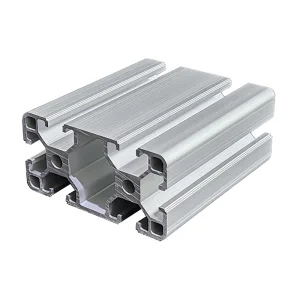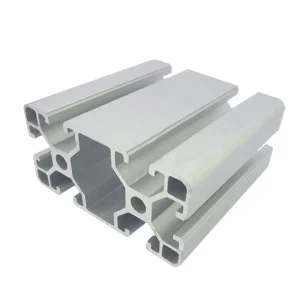
Explore our high-precision structural profiles engineered for load-bearing optimization, automated assembly lines, and industrial frame systems.
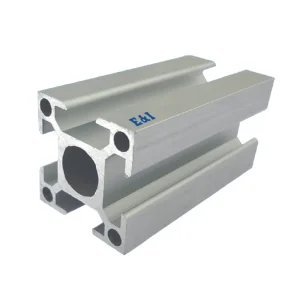
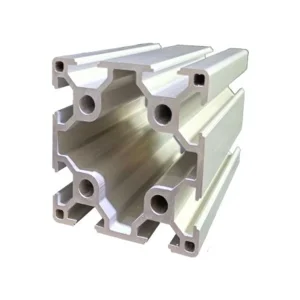
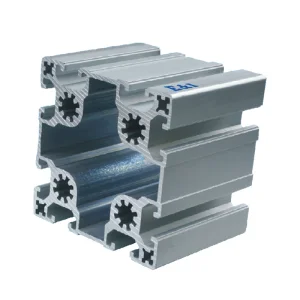
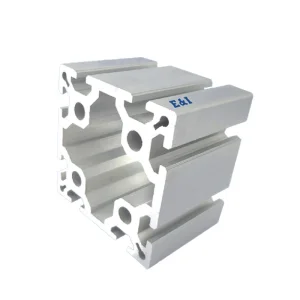
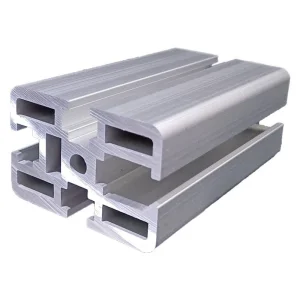
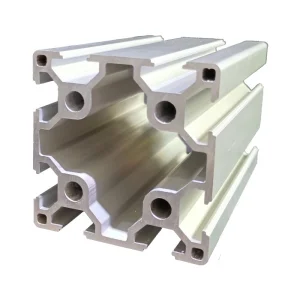
In structural design and precision engineering, the linear weight (Wt of aluminium section) serves as the primary gauge for load-bearing capacity, deflection tolerance, material cost, and installation logistics. Chengdu E&I Aluminum Industry Co., Ltd. customizes sections under strict tolerance limits (GB/T 14846 or EN 755-9 specifications) to optimize structural weight distributions. By controlling the cross-sectional geometry, wall thickness, and inner radius transitions, our manufacturing units deliver profiles that achieve an optimal strength-to-weight ratio.
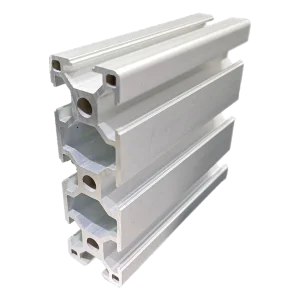
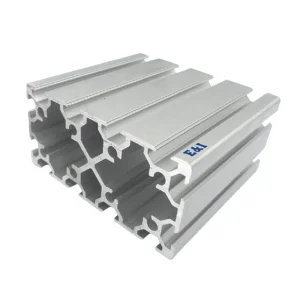
Calculating structural weight requires an accurate formula: Weight per meter (kg/m) = Cross-Sectional Area (mm²) × Density (g/cm³) / 1000. For 6000-series structural aluminium alloys (e.g., 6063, 6061, 6082), the standard density factor is approximately 2.7 g/cm³ (or 2700 kg/m³). In complex T-slot configurations such as the E&I-8-8080 heavy-duty structure, inner chambers and structural ribs subtract material from the solid block, lowering the nominal linear weight (Wt) while maintaining high mechanical structural parameters like moment of inertia (Ix, Iy) and section modulus (Wx, Wy).
| Profile Code | Section Geometry (mm) | Slot Size (mm) | Calculated Wt (kg/m) | Moment of Inertia Ix (cm⁴) | Moment of Inertia Iy (cm⁴) | Primary Application |
|---|---|---|---|---|---|---|
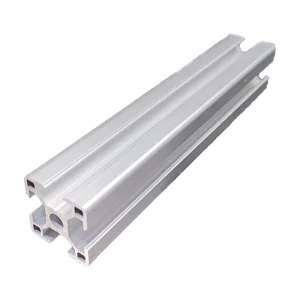
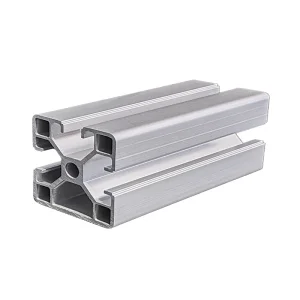
| ENI-10-3535 | 35 x 35 | 10 | 1.45 | 6.12 | 6.12 | Lightweight Laboratory Frames, Precision Guards |
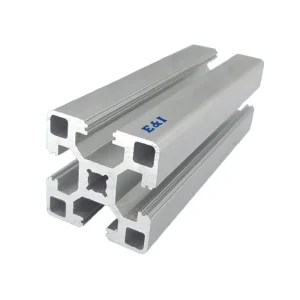
| ENI-8-4040EE-T | 40 x 40 | 8 | 1.85 | 9.80 | 9.80 | Modular Assembly Lines, Safety Enclosures |
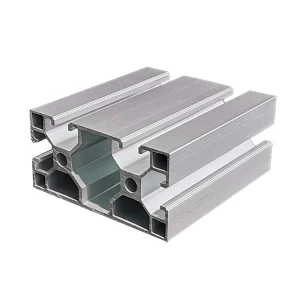
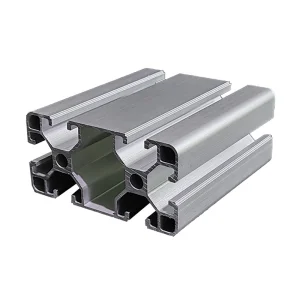
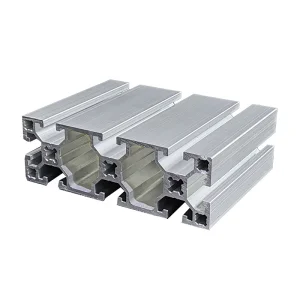
| E&I-8-4060 | 40 x 60 | 8 | 2.35 | 15.40 | 26.90 | Material Conveyor Supports, Linear Actuator Rigs |
| E&I-8-6060 | 60 x 60 | 8 | 3.10 | 38.50 | 38.50 | High-Load Automated Frames, Linear Gantry Rails |
| E&I-8-8080 | 80 x 80 | 8 | 5.80 | 125.40 | 125.40 | Heavy Machinery Bed Frames, Dynamic Gantry Columns |
| E&I-10-9090W | 90 x 90 | 10 | 6.90 | 198.20 | 198.20 | Heavy Automation Systems, Heavy Duty Cleanroom Columns |
| E&I-10-100100B | 100 x 100 | 10 | 8.50 | 310.60 | 310.60 | Industrial Robot Pedestals, Heavy Automated Workstations |
As clean energy, electric vehicle infrastructure, and advanced automation take center stage globally, the structural aluminium extrusion market is experiencing unprecedented demand. Modern industrial factories depend on precision-engineered profiles to replace traditional structural steel, achieving massive weight savings without sacrificing yield strength. In sectors such as aerospace, electric battery assembly lines, and high-speed rail systems, minimizing the structural Wt of aluminium section directly reduces structural weight, increasing operating speed, saving transport fuel, and lowering structural load limits.
Major manufacturing hubs across North America, Europe, and the Asia-Pacific region are shifting their reliance towards high-integrity extrusion plants. Factories that can consistently supply customized profiles with structural certification (e.g., ISO 9001:2015, IATF 16949 for automotive applications) hold a strong competitive edge. By providing optimized structural cross-sections, modern aluminium factories enable structural engineers to design structures with lower material expenditure, streamlining the overall assembly and reduce structural project costs.
Lightweight sections mean lower transport cost, optimized packaging geometry, and minimal loading deck stress in cargo distribution systems.
Lower profile weight allows engineering teams to construct towering factory frameworks with less column loading and safer structural layouts.
6000-series structural profiles require only 5% of the energy compared to primary smelting, driving sustainable green operations.
Pioneering high-difficulty, high-precision, and heavy-duty structural aluminium profiles in coordination with national light alloy research units.
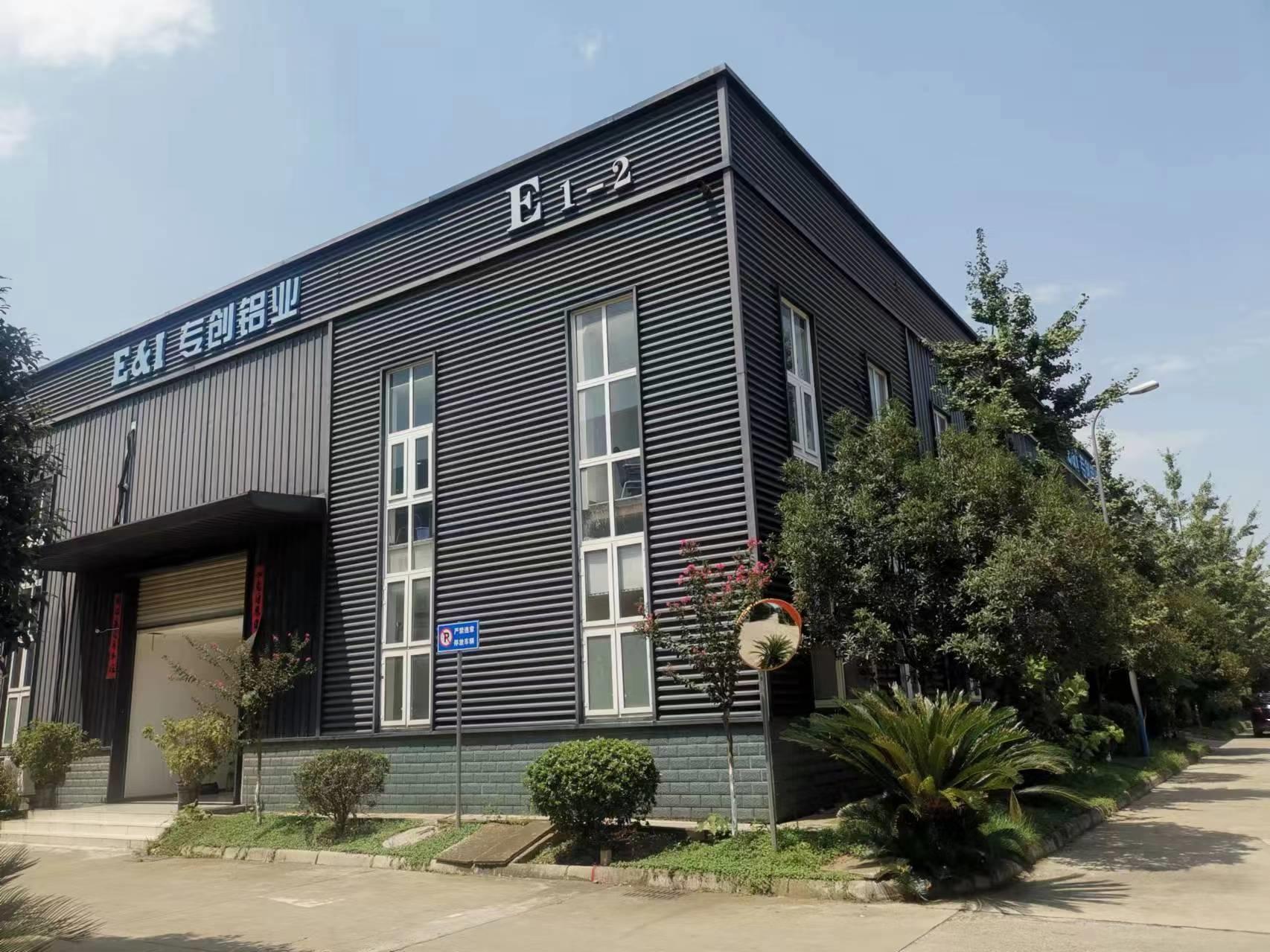
Chengdu E&I Aluminum Industry Co., Ltd., in line with the business philosophy of "people-oriented, quality value, technological innovation, and win-win cooperation", is dedicated to the research and development and manufacturing of aluminium alloy products with high difficulty, high precision, and high requirements.
The company relies on the National Institute of Nonferrous Metals, utilizing a professional aluminium alloy technology research and development team within China's light alloy industry. We provide customers with comprehensive solutions for aluminium alloy products, including extruded profiles, custom castings, and heavy forgings.
Our state-of-the-art production and testing equipment guarantees product quality, while our excellent professional services create high-value commercial solutions for customers. This level of technical excellence makes us a strong strategic partner for global buyers in aluminium alloy products and services. The main customers include world's top 500 companies such as leading automobile manufacturers and global airlines, earning wide praise for many years.
Based on our manufacturing plants, we host complete extrusion production capacity, automatic anodizing lines, and electrostatic powder spraying lines. We provide an integrated, one-stop service for various structural frames, custom assembly lines, automated machinery fences, clean sheds, cleanrooms, solar supports, and material storage equipment.
All aluminium profiles provided by Chengdu E&I Aluminum Industry Co., Ltd. are manufactured according to strict high-precision national standards. They showcase an exquisite finish, strong corrosion resistance, and excellent oxidation resilience. Standardized profile accessories enable fast installation, anti-loosening structural locks, vibration resistance, and robust mechanical connection strength.
We strive to become one of the top three companies in China's aluminium alloy industry in terms of product competitiveness, innovation ability, and technical strength. We provide our global strategic partners with products of superior engineering value, establishing mutual growth and sustainable common development.
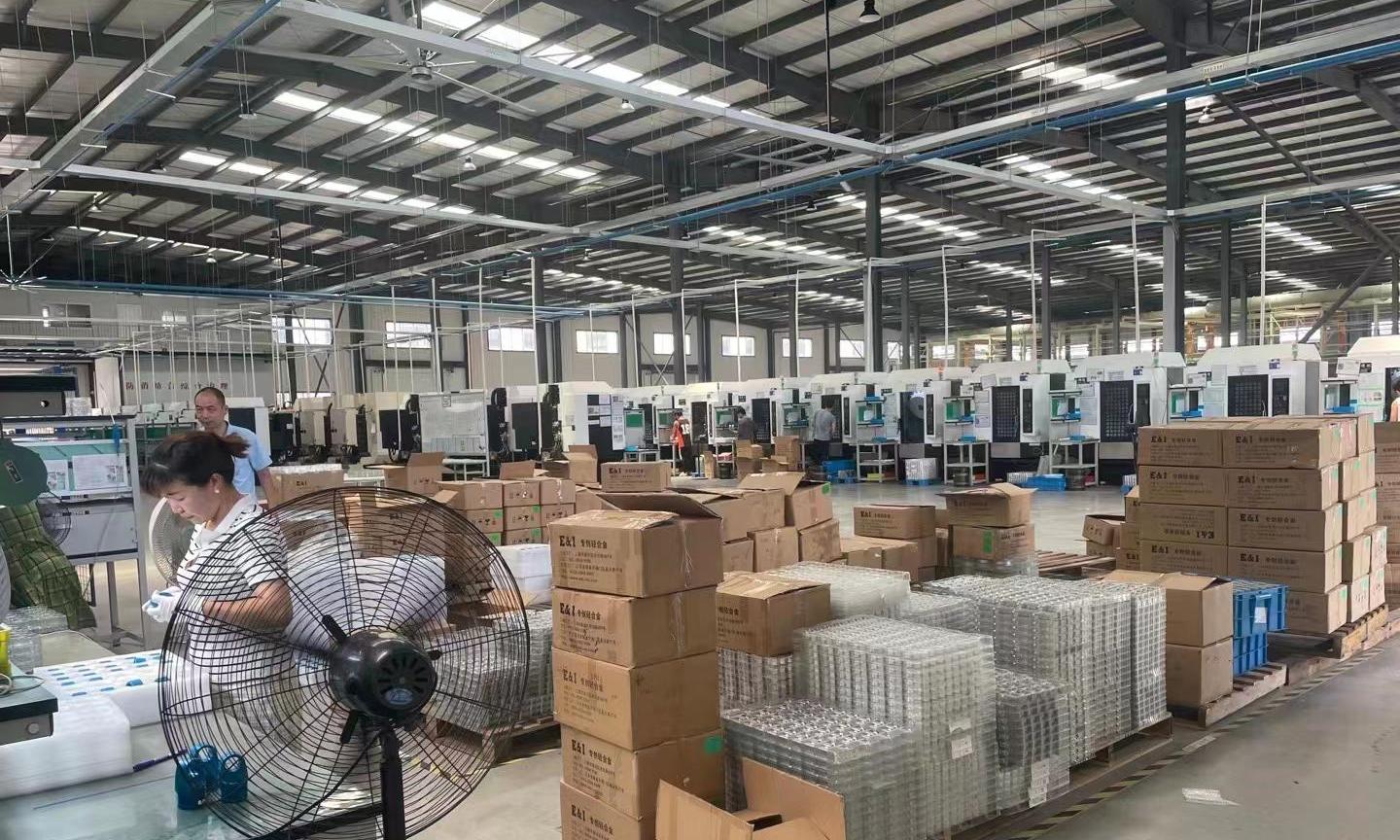
The foundations of E&I's industrial success, governing manufacturing and customer success.
We regard employees as our primary wealth, understanding their career goals, and providing competitive compensation and room for continuous development.
We aim to supply our global clients with high-precision structural products that elevate their final systems and create substantial commercial margins.
Continuous investment in alloy structural research allows us to surpass market competitors, coordinating technological breakthroughs with optimized management processes.
Cooperating closely with customers, raw material suppliers, research institutes, and key stakeholders to build a sustainable, future-ready light alloy ecosystem.
Different geographic zones demand unique structural modifications in profiles based on climate, seismic loads, and industrial frameworks. For example, high-humidity coastal zones require marine-grade anodizing (Class II coatings exceeding 15 microns) on heavy structural profiles to counter salt-mist corrosion. By adjusting the alloying ratios during the melt-billet phase, Chengdu E&I factories adapt to these challenges, providing optimal solutions for diverse target environments.
Our macro structural solutions serve key industries globally:
The aluminium extrusion industry is entering a new era defined by digital manufacturing, automated tolerance control, and green metallurgy. Leading extrusion factories are implementing AI-driven thermal sensors along the die path to control the exit speed and temperature of the metal, preventing surface cracks and maintaining a highly consistent linear structural Wt of aluminium section.
Over the next decade, the industry's focus will shift heavily towards low-carbon primary smelting and high-scrap alloy reclamation. By using clean hydroelectric energy for smelting, factories can drastically reduce the carbon footprint of structural sections. In addition, next-generation high-strength alloys are being developed to offer yield strengths matching mild steel while keeping the light weight of traditional aluminium sections.
Detailed technical answers for structural engineers, project buyers, and layout planners.
Select from our extended catalogue of heavy machinery profiles, sealed structures, and modular systems.