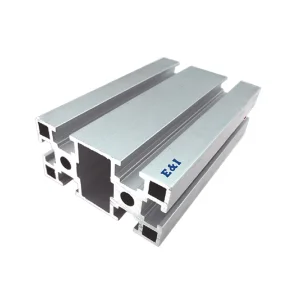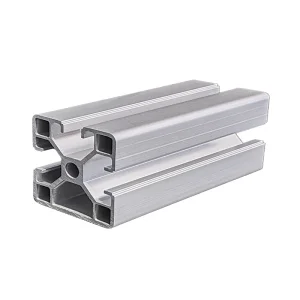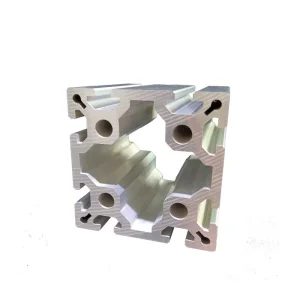
Precision-engineered extruded profiles designed to exceed the mechanical and load-bearing requirements of automated assembly lines, cleanrooms, and robotic enclosures.
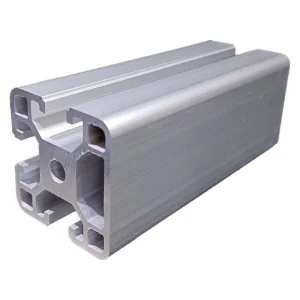
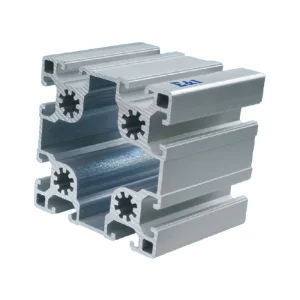
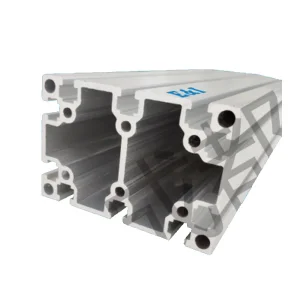
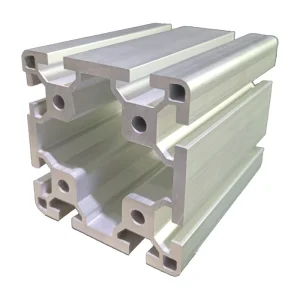
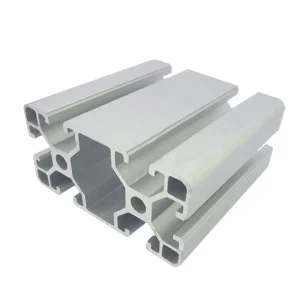
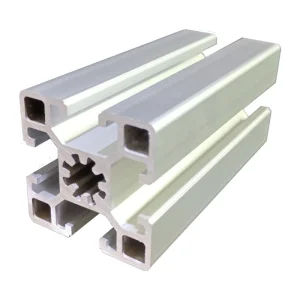
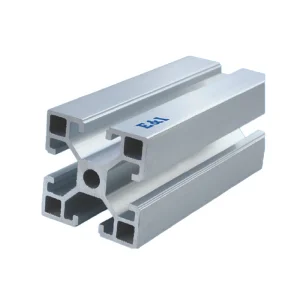
Aluminum extrusion, particularly hollow tubes and structurally complex profiles, forms the backbone of modern physical infrastructure. High-precision engineering projects across North America, the European Union, and East Asia are aggressively shifting from heavy structural steel to high-tensile modular aluminum systems.
This macro shift is driven by three essential industrial imperatives:
As smart factories embrace advanced robotics, the requirement for modular mechanical guards, cleanroom framework systems, and customizable assembly-line profiles has experienced a significant growth curve. High-grade aluminum alloys such as 6063, 6061, and 6082 undergo precise thermomechanical treatments to achieve physical load-bearing properties comparable to standard structural carbon steels.
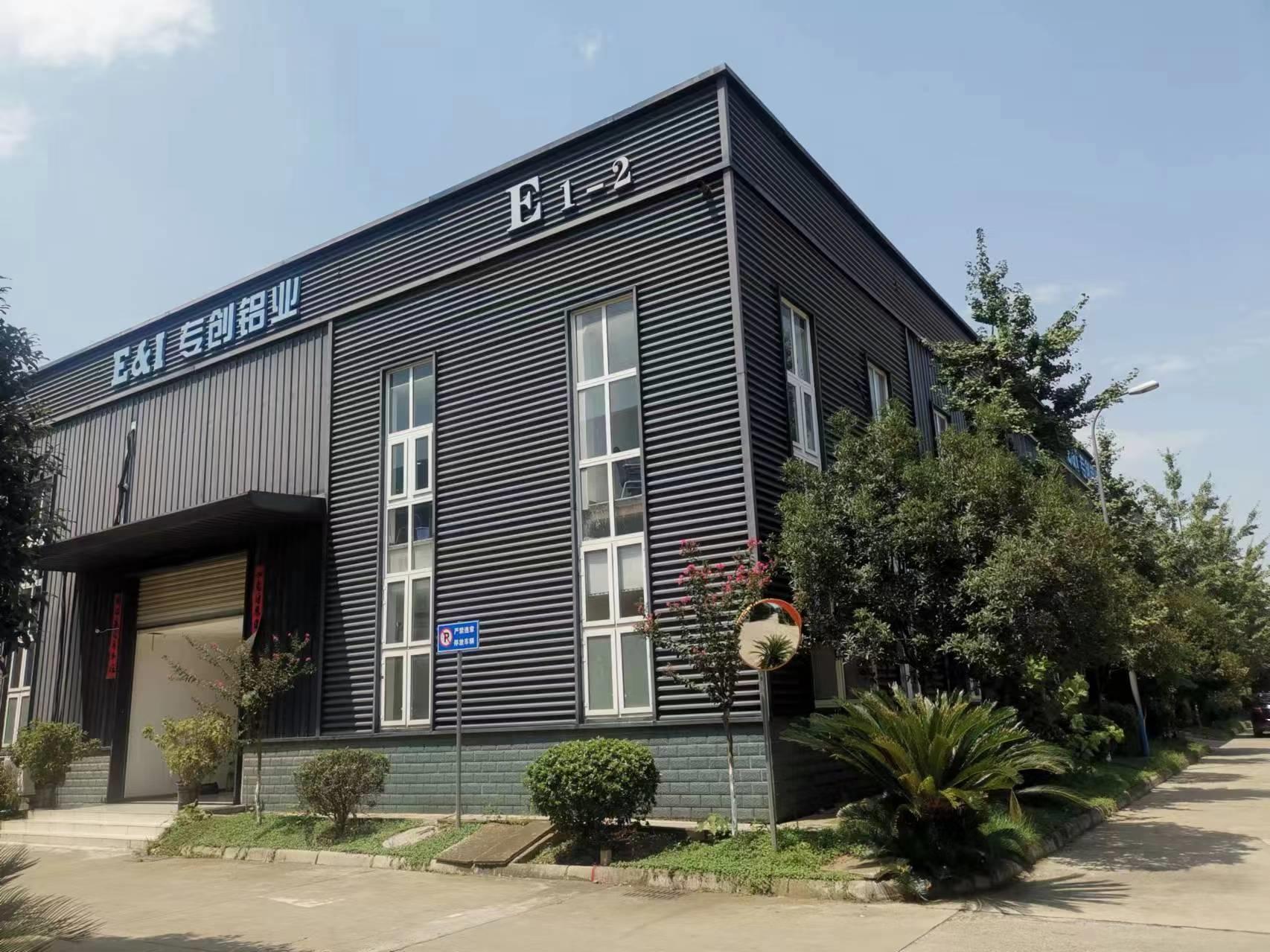
By linking academic metallurgical breakthroughs with massive scale extrusion facilities, Chengdu E&I sets a high benchmark for structural profile tolerance and performance.
Designing structural aluminum extrusion profiles requires control over thermal profiles, hydraulic ram pressure, die geometries, and downstream processing.
| Alloy Grade | Key Elements | Tensile Strength (MPa) | Yield Strength (MPa) | Primary Industrial Applications |
|---|---|---|---|---|
| 6063 (T5/T6) | Mg-Si (Medium Strength) | ≥ 150 - 240 | ≥ 110 - 200 | Cleanrooms, laboratory frames, medium-load automation profiles. Exquisite surface finish. |
| 6061 (T6) | Mg-Si-Cu (High Strength) | ≥ 290 | ≥ 240 | Heavy-duty machinery brackets, structural trusses, aerospace tooling, automotive structures. |
| 6005A (T6) | Mg-Si-Mn-Cr | ≥ 270 | ≥ 225 | Railway carriage frames, load-bearing marine structures, solar arrays, dynamic robotic arms. |
Using finite element analysis (FEA) to simulate metal flow, we optimize die geometry to prevent localized stress concentration. This guarantees that complex hollow tubes and multi-void profiles preserve precise wall thickness tolerances of up to ±0.05mm.
Proper mechanical strength requires precise thermodynamic control. Extruded profiles undergo intensive water or mist quenching immediately upon exiting the die press, followed by artificial aging at high temperatures to maximize Mg2Si precipitate hardening.
Our computerized, automatic anodizing lines coat the profiles with a uniform oxide barrier layer (usually between 10μm to 25μm). This ensures long-term wear resistance, extreme surface finish, and complete protection against aggressive chemical compounds.
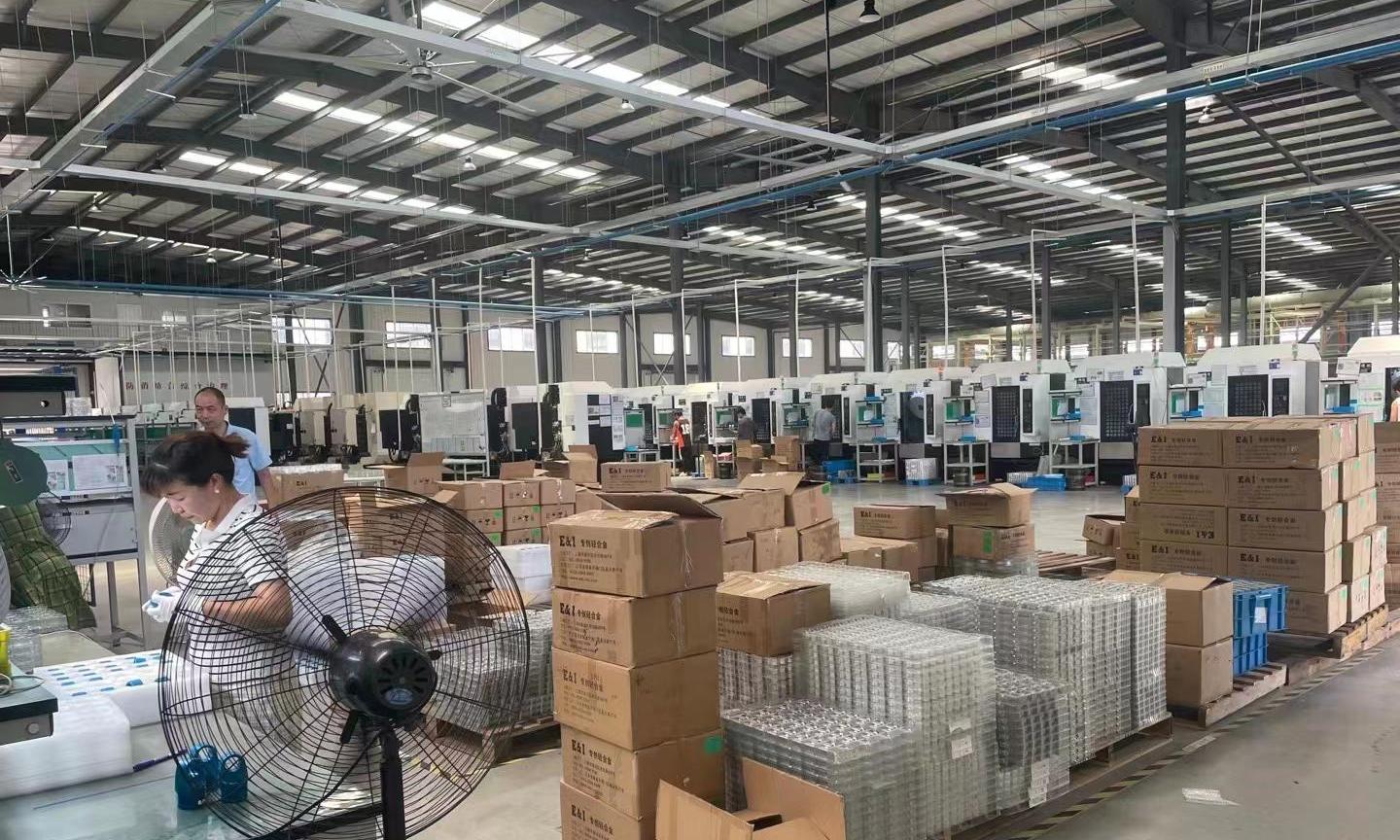
Guided by our core values of "people-oriented, quality value, technological innovation, and win-win cooperation," we specialize in researching and producing demanding, high-precision aluminum alloy profiles, castings, and forgings.
Our operations leverage the scientific capabilities of The National Institute of Nonferrous Metals. With this elite light-alloy engineering team, we provide customers with customized solutions covering structural profiles, advanced castings, and custom metal forging.
Our integrated manufacturing line features modern smelting, design engineering, precision tooling, automatic extrusion lines, automated spraying, and anodizing lines. We deliver one-stop fabrication services for structural frame assemblies, cleanrooms, industrial workbenches, automated conveyor runs, solar mounting frames, and modular safety fencing.
How we align organizational principles with industrial quality to create high-value products.
We believe our engineers and technicians are our greatest asset. By investing in continuous training and maintaining a supportive work environment, we foster safety and innovation throughout our manufacturing plants.
Quality is more than meeting minimum specifications. We implement rigorous testing protocols at every stage, from testing the molten metal composition to measuring structural straightness, ensuring reliable field performance.
By investing in technology and optimization, we maintain our leading position in the industry. Innovation helps us deliver close-tolerance components that lower overall operational costs for our clients.
We work closely with global automotive plants, industrial integrators, aerospace firms, and research labs. We build long-term relationships through technical transparency and consistent supply chains.
Looking ahead, the aluminum extrusion sector is adapting to meet the demands of Industry 4.0 and global sustainability targets.
Transitioning toward low-carbon primary aluminum sourced from hydro-powered smelters. By increasing post-consumer recycled content in structural profiles, we help clients meet carbon border adjustments and Scope 3 emission targets without compromising tensile properties.
Deploying multi-axis CNC machines inline with the extrusion pullers. This setup allows us to execute drilling, tapping, and custom profile shaping immediately after straightening, reducing handling times and maintaining high tolerances.
Developing hollow-core structural tubes designed to house internal wiring, pneumatic pathways, and fiber optic telemetry. These channels enable structural monitoring and clean cable management in automated factories.
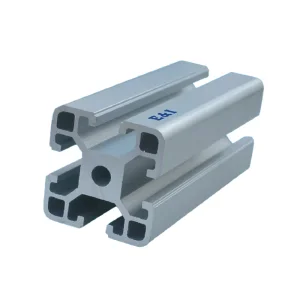
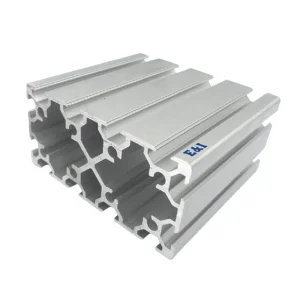
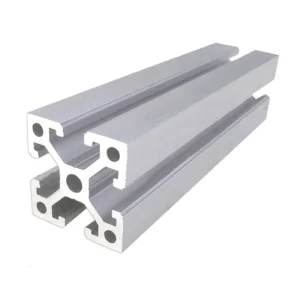
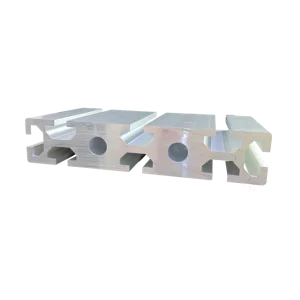
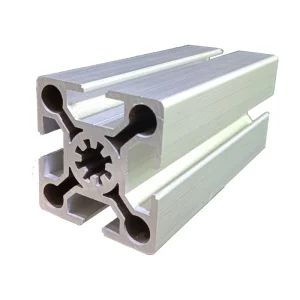
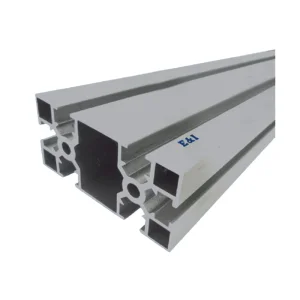
Explore our selection of heavy-duty, cleanroom-ready, and automation-compliant T-slot extruded aluminum profiles.
Detailed engineering answers to the most common queries from structural designers, integration technicians, and procurement managers.