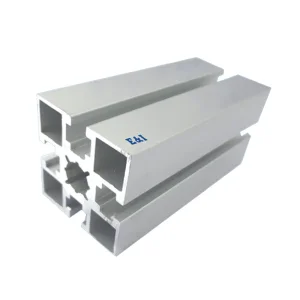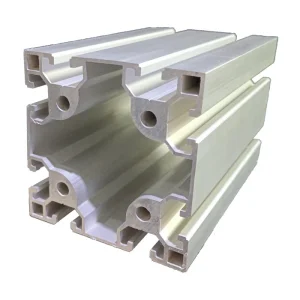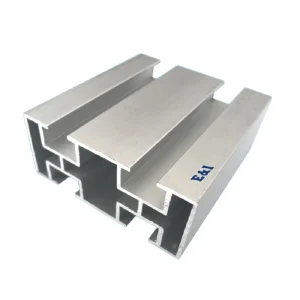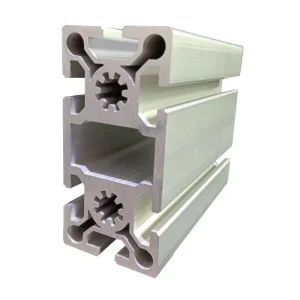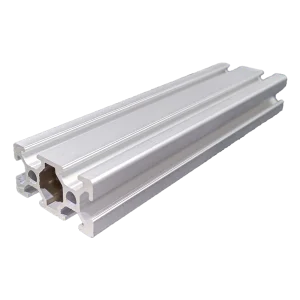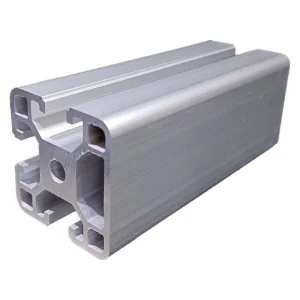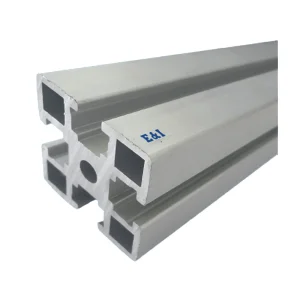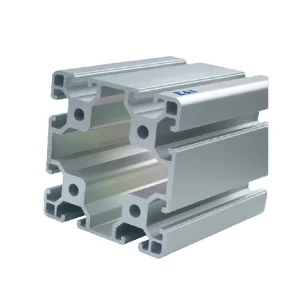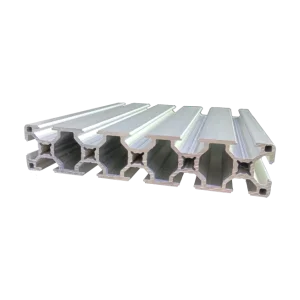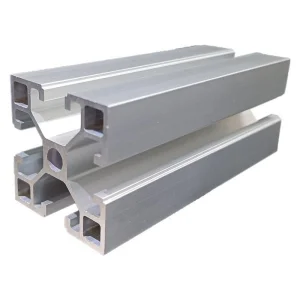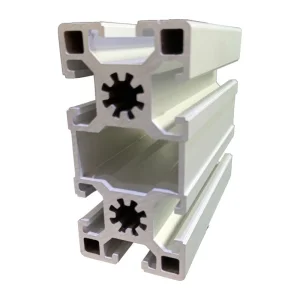
Engineered for high load limits, versatile customization, and seamless assembly integration. Explore the premier collection of heavy-duty industrial framing solutions.
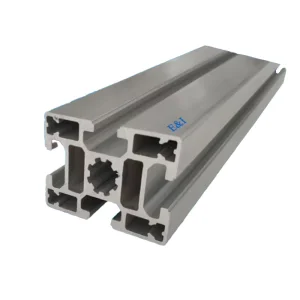
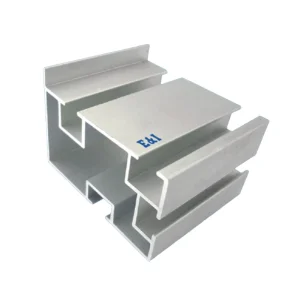
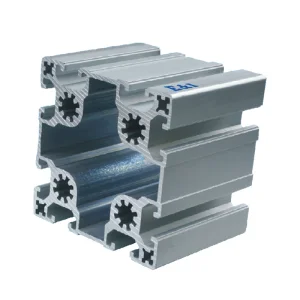
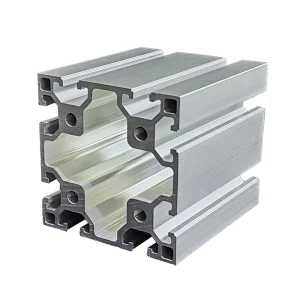
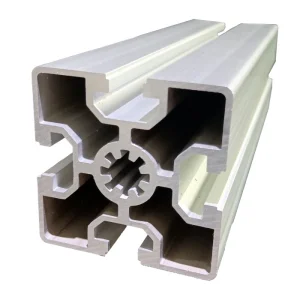
In modern structural engineering and flexible automated production layouts, the Profile 30 X 40 structural aluminum section has emerged as a cornerstone dimension. Often designated as a critical mid-range load-bearing profile, it bridges the gap between lighter 20-series structures and extremely heavy 80-series framing. The nomenclature "EI" refers to the system design criteria emphasizing "Engineering Integration" and "Extrusion Innovation". E&I modular structural aluminum systems provide high bending resistance, flexible mounting channels, and exceptional dimensional stability.
"By employing precise cross-sectional optimization, our Profile 30 X 40 and EI series maximize the area moment of inertia while minimizing raw material weight. This enables structural setups that require up to 35% less carbon footprint than comparable welded steel weldments, while remaining modular and reusable."
An extrusion profile measuring 30mm by 40mm operates with non-symmetric geometric properties across its X and Y axes. This asymmetry is highly advantageous for structural engineers. Under mechanical loading, a profile oriented with its 40mm dimension vertical offers a significantly higher moment of inertia ($I_x$) compared to its 30mm horizontal orientation ($I_y$). This allows for direction-specific optimization of load-bearing structures, saving costs in structural designs such as horizontal conveyor rails, cantilever brackets, and machine base frameworks.
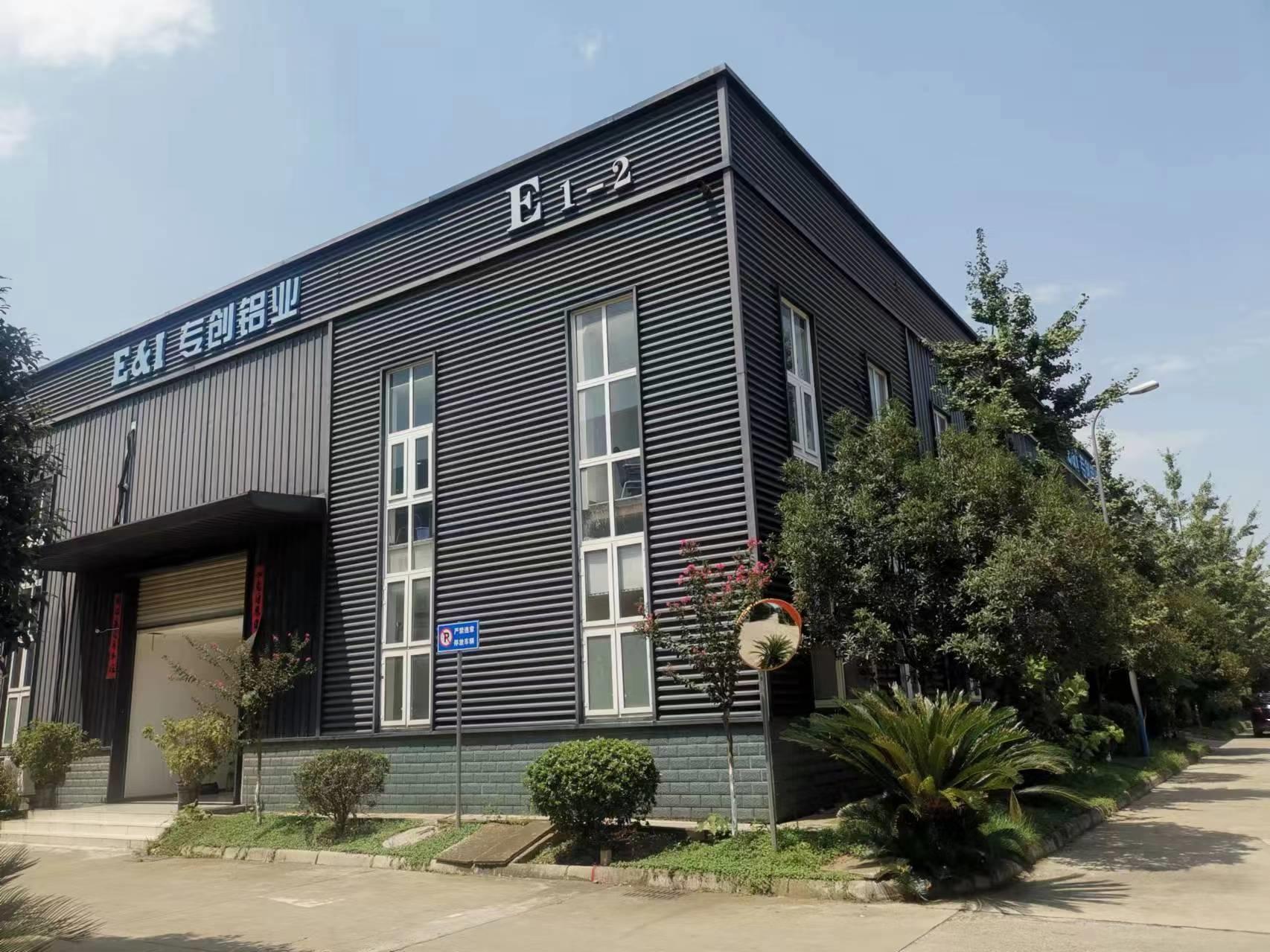
Chengdu E&I Aluminum Industry Co., Ltd. extrudes these profiles using high-purity raw materials (primarily Grade 6063-T5 or T6 alloys). The integration of precise T-slots (commonly with a groove width of 8mm or 10mm) provides the modular capability to handle high shear loads when fastened using self-aligning slide nuts and high-tensile connection bolts.
Choosing the correct alloy and temper is critical for long-term load reliability. Below is a comparison table outlining the specific metallurgical details of E&I industrial profiles:
| Property Parameter | 6063-T5 (Standard Industrial) | 6063-T6 (Higher Temper) | 6061-T6 (Structural Grade) |
|---|---|---|---|
| Tensile Strength ($R_m$) | ≥ 160 MPa | ≥ 215 MPa | ≥ 290 MPa |
| Yield Strength ($R_{p0.2}$) | ≥ 110 MPa | ≥ 170 MPa | ≥ 240 MPa |
| Elongation ($A_{50mm}$) | ≥ 8% | ≥ 10% | ≥ 10% |
| Vickers Hardness (HV) | ≥ 60 | ≥ 80 | ≥ 95 |
| Corrosion Resistance | Excellent (Anodized 10-15μm) | Excellent (Anodized 10-15μm) | Superior (Industrial Grade Coating) |
Operating from Western China's industrial manufacturing heartland, Chengdu E&I Aluminum Industry Co., Ltd. leverages a highly comprehensive supply ecosystem. We do not just extrude profiles; we offer integrated research and development through strategic partnerships with The National Institute of Nonferrous Metals. This access to light alloy engineering expertise facilitates rapid custom mold design, simulation testing, and highly specialized alloy formulation.
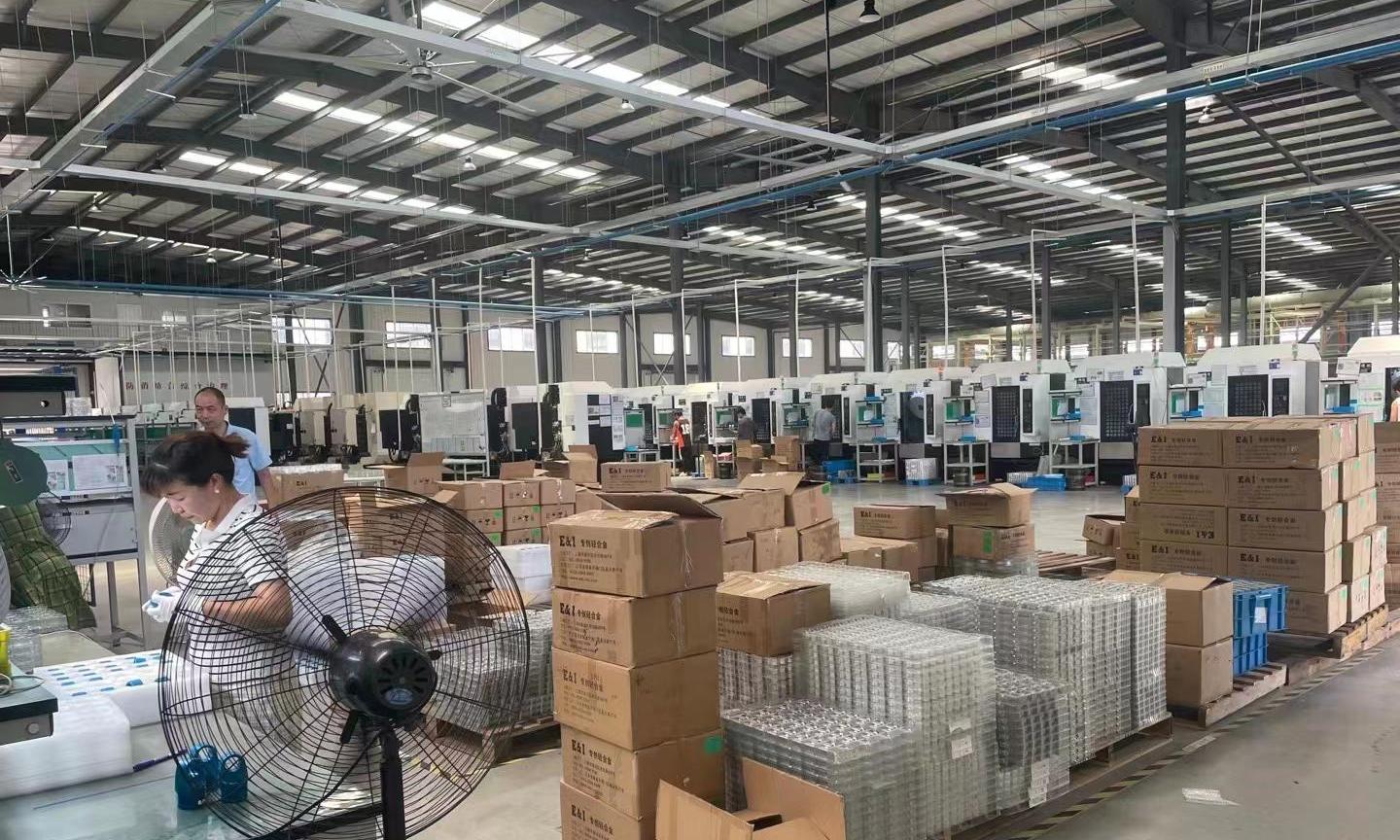
Equipped with state-of-the-art hydraulic extrusion presses (ranging from 800-ton to 3600-ton capacity) that ensure consistent cross-sectional tolerance compliance matching DIN EN 12020-2 guidelines.
Integrated chemical pre-treatment, advanced automated anodizing lines (delivering silver, satin, and black hard anodized finishes), and electrostatic powder coating plants for harsh industrial environments.
Equipped with multi-axis CNC routing and drilling stations, allowing for highly complex slotting, counter-sinking, and precision cutting to exact length tolerances (±0.2mm).
Purchasing raw materials and industrial profiles globally requires more than finding a competitive price. It requires ensuring strict regulatory alignment, logistical transparency, and local design support. Chengdu E&I ensures that international clients face zero bottlenecks when importing structural profiles.
Every extrusion batch is tested to confirm compliance with global standards, including ASTM B221 (USA), EN 755 (Europe), and GB/T 5237 (China). All raw materials are certified RoHS and REACH compliant, guaranteeing environmental safety for electronics manufacturing and cleanroom installations.
Utilizing Chengdu's direct rail connections to Europe (China-Europe Railway Express) and rapid sea routes through major Chinese ports, E&I offers optimized container shipping, DDP/CIF terms, and robust export packaging with customized plywood crating to protect anodized finishes.
We provide full digital design support. Send us your solid models (STEP, IGES, DWG) and our engineering team will produce optimized bills of materials (BOM), custom connector selections, and stress-analysis modeling to ensure structural stability.
International purchasing departments must evaluate direct extrusion costs alongside assembly labor and handling expenses. Weldments require skilled welders, grinding, stress-relieving, sandblasting, and painting. E&I's modular T-slot system eliminates all of these steps.
Profiles are shipped pre-cut and pre-machined. Global assembly lines can put together structural components using simple hand tools. This cuts assembly labor costs by up to 70%, rendering the overall structural project significantly cheaper even when accounting for international logistics.
The flexibility of the Profile 30 X 40 and broad-spectrum E&I structural profiles enables applications across diverse sectors, including high-tech manufacturing, aerospace, and modern green energy.
Utilized as lightweight robot pedestals, structural framing for pneumatic actuators, sensor brackets, and overhead tool gantries. The high stiffness-to-weight ratio of 6063-T6 profiles minimizes inertial lag in dynamic pick-and-place robots.
Cleanrooms require materials that do not emit particulate contaminants or off-gas chemicals. E&I's high-finish anodized surfaces prevent oxidation and particle buildup, making them suitable for wafer transfer systems and cleanroom modular walls.
Used to construct custom assembly benches, integrated task lighting frames, heavy-duty sliding doors, and protective safety fencing. Our 30x40 and 40x40 systems easily integrate wire mesh panels and polycarbonate sheets.
As the industrial world transitions to sustainable manufacturing, three key trends are dominating the future of structural aluminum development:
Customers are increasingly requesting profiles extruded from post-consumer scrap. Chengdu E&I is investing in advanced sorting and melting techniques to supply certified low-carbon aluminum profiles that retain all mechanical properties of virgin metal.
Traditional engineering designs are shifting to live simulations. E&I is leading this transition by providing rich CAD catalogs natively compatible with cloud-based design platforms, allowing automated generation of structural bills of materials.
Standard anodizing is being replaced by hybrid coatings that prevent microbial growth and offer advanced chemical resistance. E&I's research and development division is actively formulating next-generation anodized surfaces for food-safe processing facilities and biotechnology laboratories.
Get answers to common engineering questions regarding alloy grades, load calculations, custom configurations, and global trade compliance.
Engineered to ensure high strength, robust structural performance, and seamless compatibility with automatic assembly systems.