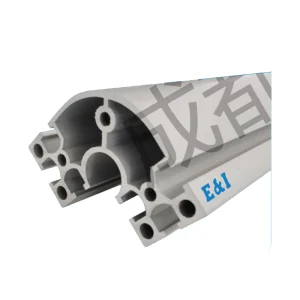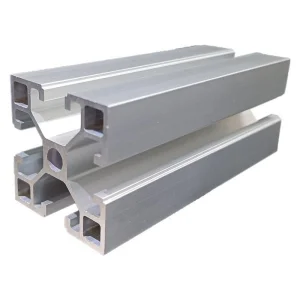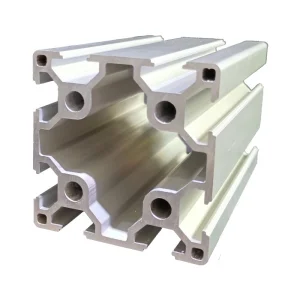
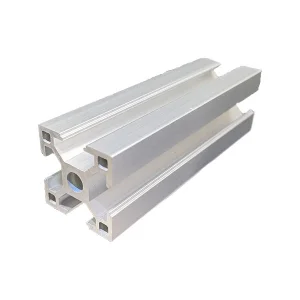
As global manufacturing sectors rapidly transition toward lightweighting, automated assembly lines, and high-strength modular structures, aluminum extrusion machining has emerged as a cornerstone technology.
Internationally, industries ranging from aerospace and automotive to smart warehousing and photovoltaic structures demand structural framing with strict geometric profiles. Traditional welded steel frames are increasingly replaced by high-grade anodized T-slot aluminum extrusions due to their exceptional strength-to-weight ratio, structural flexibility, and rust resistance. Crucially, modular aluminum profile systems eliminate the need for welding and post-process painting, dramatically cutting design-to-assembly cycles.
In highly regulated markets like Europe and North America, structural components must adhere to precise dimensional tolerance standards (such as EN 755 and ASTM B221) and surface protection ratings. High-performance aluminum profiles with advanced surface anodization shield automation brackets and industrial barriers from aggressive chemical environments, moisture, and high wear. Selecting a supplier with complete control over chemical alloy compositions and strict extrusion parameters is paramount to safeguarding operational integrity.
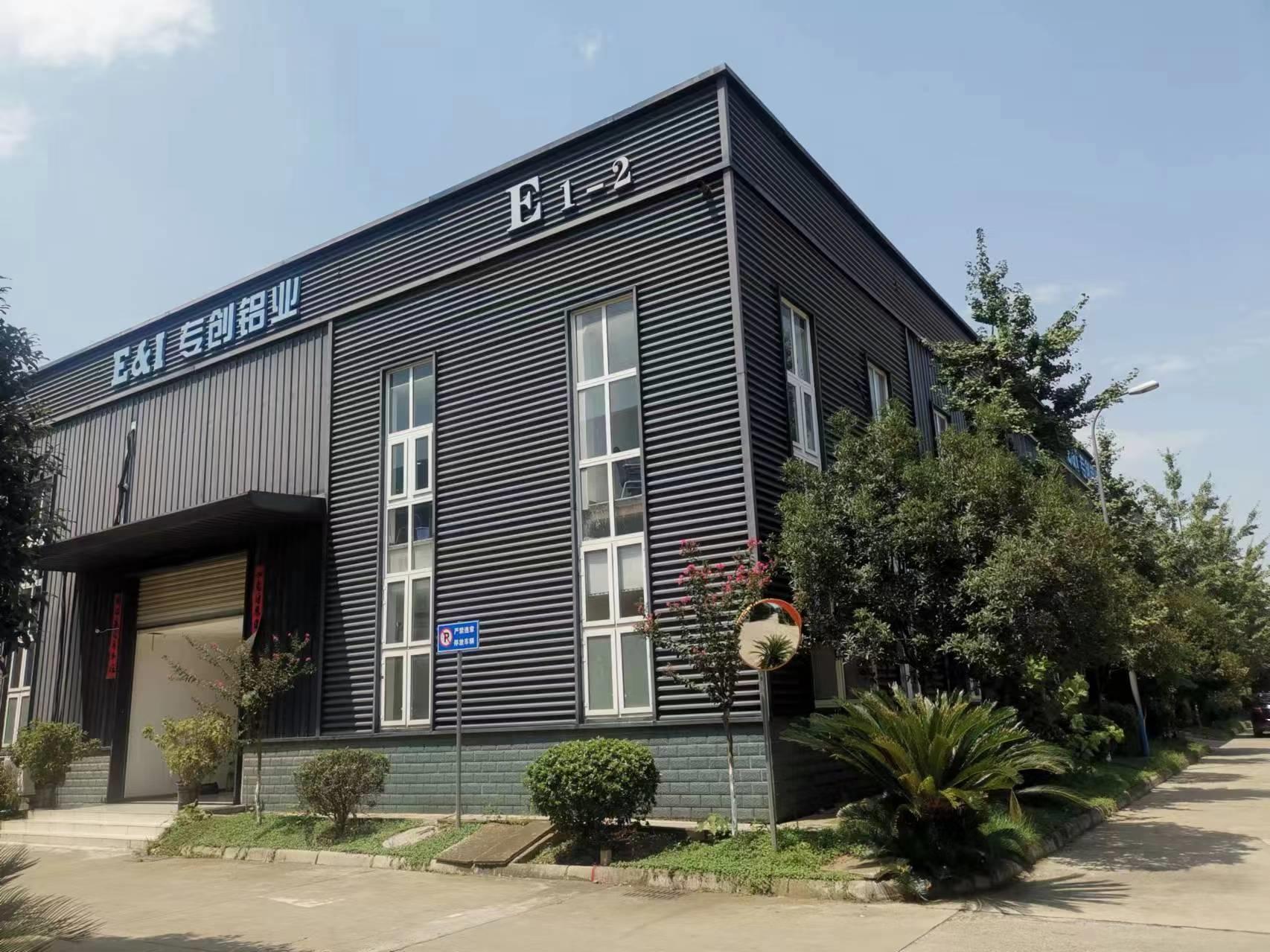
Operating at the intersection of metallurgy and mechanical engineering, Chengdu E&I Aluminum Industry Co., Ltd. delivers high-difficulty, high-precision, and heavy-demand industrial solutions.
Anchored by a dedicated R&D partnership with the National Institute of Nonferrous Metals, our professional team drives innovations in alloy chemistry, precision extrusion die design, and automated surface treatment. We provide end-to-end integration: from raw alloy formulation and extrusion production to multi-axis CNC machining, structural assembly design, and specialized anodization. We serve top-tier clients, including Fortune 500 automotive manufacturers and commercial aviation lines, maintaining long-term partnerships through robust engineering support and consistent quality metrics.
Our commitment rests on four core pillars:
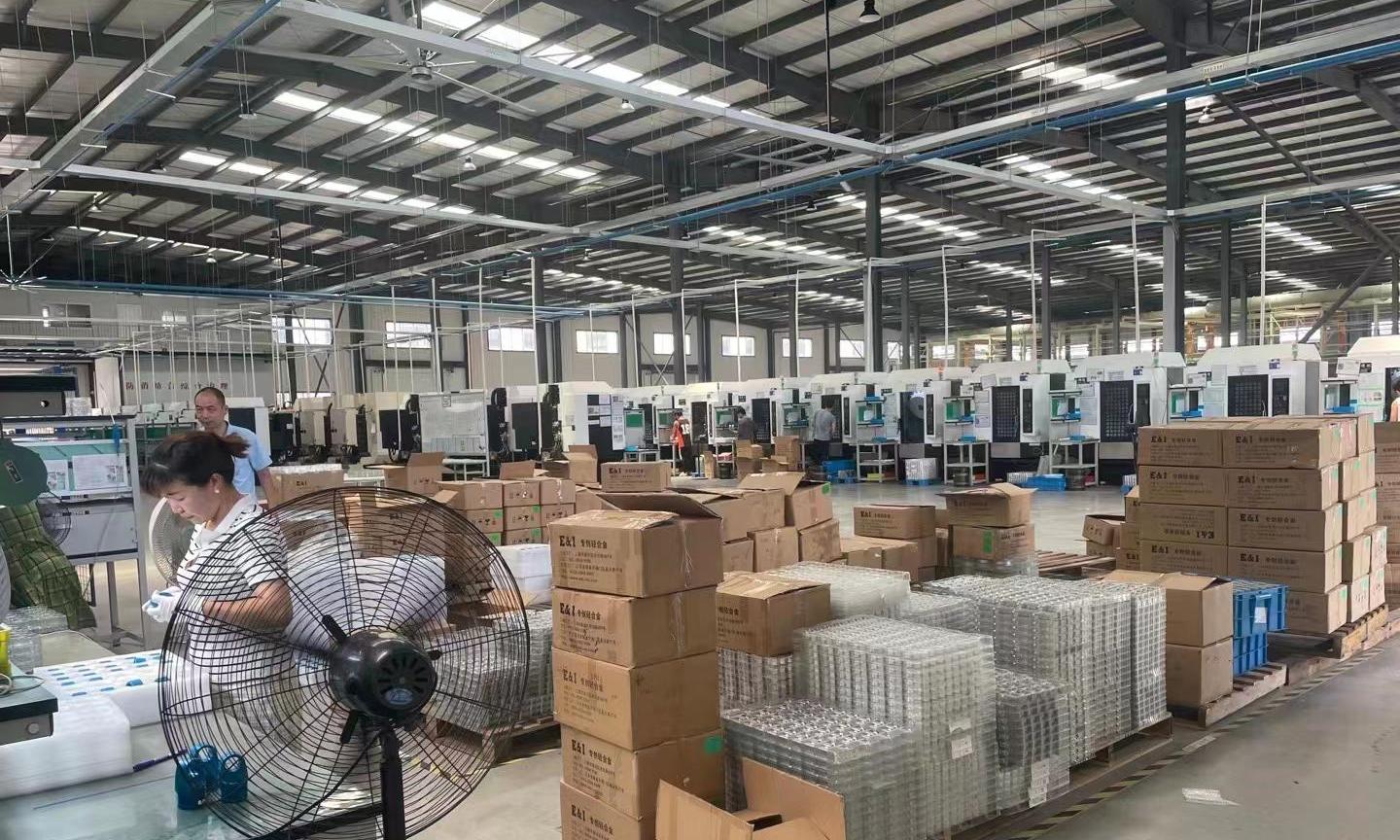
We benefit from proximity to primary smelting hubs, local die-casting suppliers, and fast logistics chains. This allows us to source premium raw aluminum billets and quickly transition from tooling design to final shipment.
Our state-of-the-art tooling facility designs multi-port and complex hollow profile dies. Accurate die manufacturing ensures that tight dimensional tolerances are maintained throughout production runs.
Every production batch undergoes comprehensive mechanical testing, including tensile strength, yield strength, Webster hardness testing, and microstructural analysis of the anodized oxide layer.
Our industrial extrusions are utilized across diverse global applications, optimizing structural layouts with minimal design overhead.
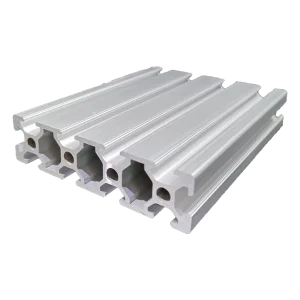
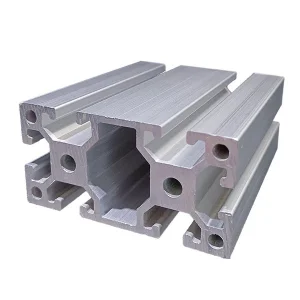
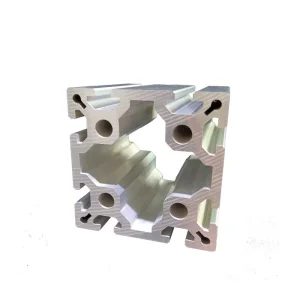
Structural bases, linear guides, and gantries built from heavy-duty profiles like E&I-8-100100 provide high load capacity and mechanical stiffness for dynamic automation axes.
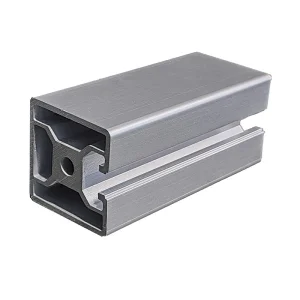
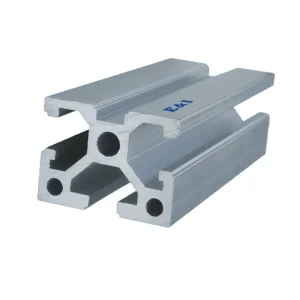
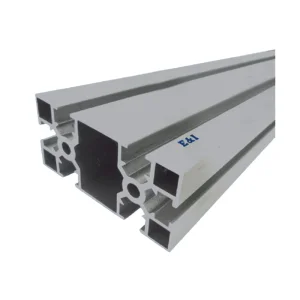
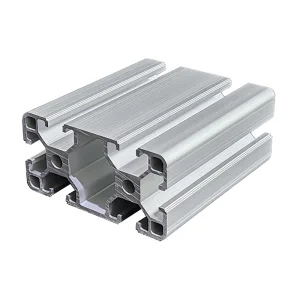
Low-friction, lightweight framing using components like the ENI-8-4080F streamlines handling systems, reduces component inertia, and lowers drive motor power requirements.
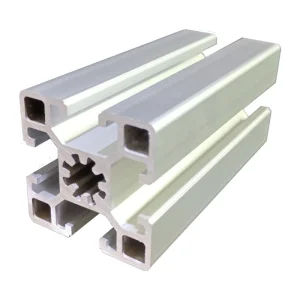
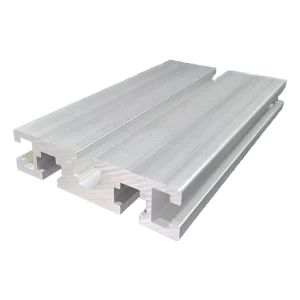
Our ENI-8-4080A anodized profiles resist dust adhesion and outgassing, making them ideal for pharmaceutical, semiconductor, and controlled-atmosphere storage applications.
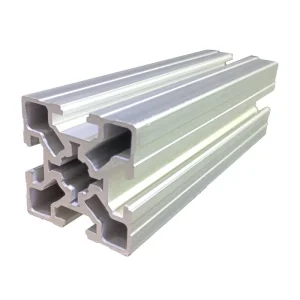
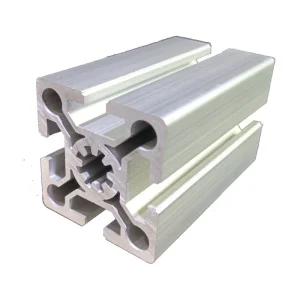
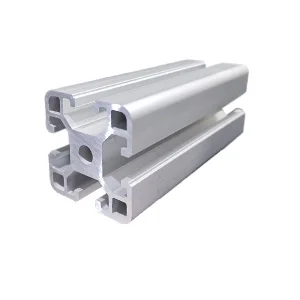
Custom industrial safety barriers built using E&I-8-5050L structural elements isolate heavy machinery, ensuring compliance with OSHA and international safety guidelines.
Procuring structural aluminum profiles directly from China requires clear alignment on design specifications, material standards, and transport packaging. To ensure a smooth transaction, we recommend the following strategic workflow:
A: 6063 is the primary choice for standard and custom T-slot extrusions due to its excellent surface finish characteristics, response to anodizing, and ease of extrusion into complex geometries. 6061 is a structural alloy featuring higher tensile and yield strengths, making it suitable for heavy-duty load-bearing frames, though it is more difficult to extrude into intricate designs.
A: Anodizing is an electrochemical process that converts the metal surface into a durable, corrosion-resistant anodic oxide finish. For standard indoor industrial environments, an oxide layer thickness of 10 to 12 µm is standard. For outdoor, marine, or highly washdown-heavy environments, we specify 15 to 25 µm to prevent deep surface oxidation and degradation.
A: Our manufacturing processes adhere to China's GB/T 5237 (Wrought Aluminum Alloy Extruded Profiles for Architecture and Industry) and are fully mapped to global international standards, including EN 755 (Europe) and ASTM B221 (USA). We provide complete material test reports (MTRs) and dimensional inspection certificates for each production batch.
A: Yes. We engineer and manufacture custom extrusion dies based on client CAD designs. Tooling costs depend on profile size and complexity. For large production volumes, we offer tooling cost rebates once specific procurement thresholds are met.
A: Structural deflection is controlled by selecting profiles with a high moment of inertia relative to the load axis (e.g., using 100x100mm heavy profiles for longer spans). Our engineering team assists clients by calculating deflection loads (E-Modulus of ~68.9 GPa for aluminum) to ensure proper profile selection for specific load requirements.