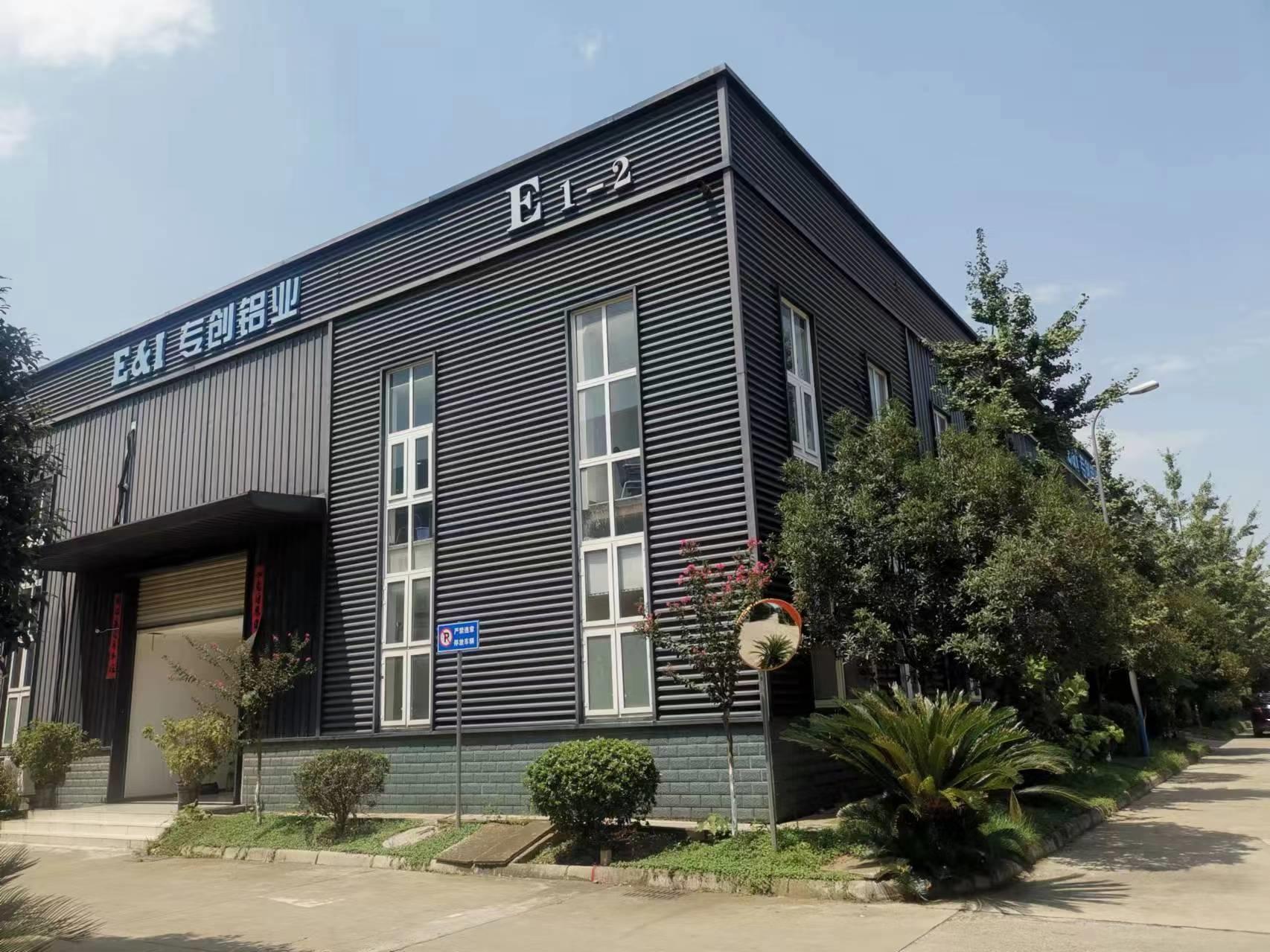
Established as an industry leader in light alloy technology, Chengdu E&I Aluminum Industry Co., Ltd. champions the foundational business philosophies of "people-oriented, quality value, technological innovation, and win-win cooperation." We specialize in research, development, and high-volume extrusion of high-difficulty, high-precision, and heavy-duty structural aluminum components.
Our long-term collaboration with The National Institute of Nonferrous Metals has forged a top-tier light alloy R&D division in China. We supply comprehensive structural engineering configurations directly to premium Fortune 500 companies in the aerospace, automotive, cleanroom manufacturing, and global transport sectors. E&I guarantees that every millimeter of our extrusions complies with strict international tolerances and physical structural characteristics.
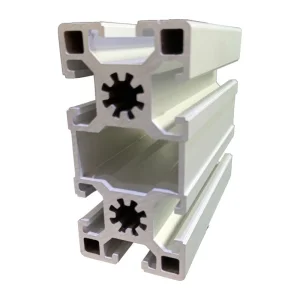
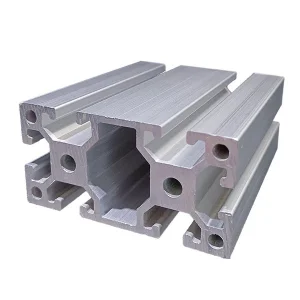
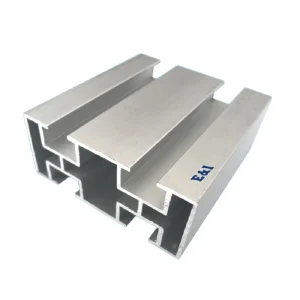
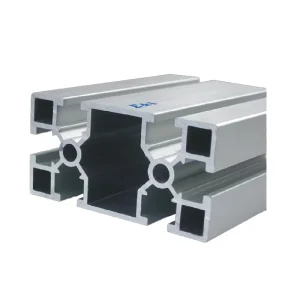
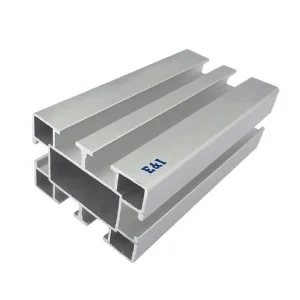
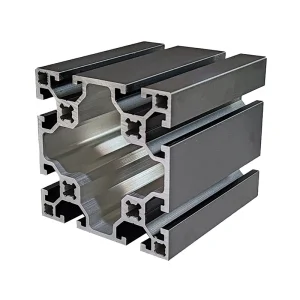
The 80 x 160 mm structural aluminum extrusion is the cornerstone of heavy machinery, protective frameworks, and load-bearing automation modules. Engineered with optimization in every groove, this profile replaces traditional welded steel frames, slashing weight by up to 50% while retaining critical flexural and torsional rigidity.
Forged primarily from premium 6063-T6 or 6061-T6 aluminum billets. Through strict thermodynamic aging processes at our factories, we ensure high yield strength (up to 215 MPa) and supreme hardness to eliminate deflection under extreme loads.
Optimized with an ultra-thick wall structure and high-tensile core cross-sections. With massive moments of inertia along the X and Y axes, EI 80x160 handles heavy machine bases, gantry tracks, and multi-axis linear actuators with minimal strain.
Our state-of-the-art automatic anodizing line yields oxide layers from 12µm to 20µm, protecting the profile from aggressive chemicals, high humidity, cleanroom disinfecting agents, and marine atmospheres.
Our guiding mission is to solidify our position within the Top Three Chinese manufacturers in terms of raw product competitiveness, technical innovation, and design engineering. We enable our shareholders, clients, employees, and global distribution partners to achieve unparalleled value and sustainable growth.
We value human capital as our primary asset. E&I offers dynamic growth spaces and competitive remuneration packages, aligning professional development with organizational milestones.
Every step of extrusion, from billet heating to final profile anodizing and precision cutting, undergoes rigorous quality checks to deliver value-added, zero-defect hardware.
By investing heavily in automated anodizing systems, modular design templates, and structural simulation software, we build robust competitive barriers that keep us ahead in global technical markets.
Industrial sectors are rapidly shifting from high-emission steel fabrication to modular aluminum construction. Here is how E&I Profile 80 X 160 addresses demanding global industrial sectors:
Automobile chassis assembly cells, battery packaging lines, and welding robot protective enclosures require structural profiles that support dynamic machinery. EI 80x160 provides vibration-dampening framing to optimize automated production lines.
Aerospace manufacturing relies on lightweight, stable fixtures for positioning aircraft skin panels and structural ribs. High-tensile aluminum components protect sensitive parts while offering modularity for layout changes.
Our profiles do not outgas or shed particulates, making them ideal for semiconductor factories and pharmaceutical cleanrooms (Class 100 to Class 100,000). Integrated ESD-safe plastic inserts and ground connections protect sensitive electronics from static buildup.
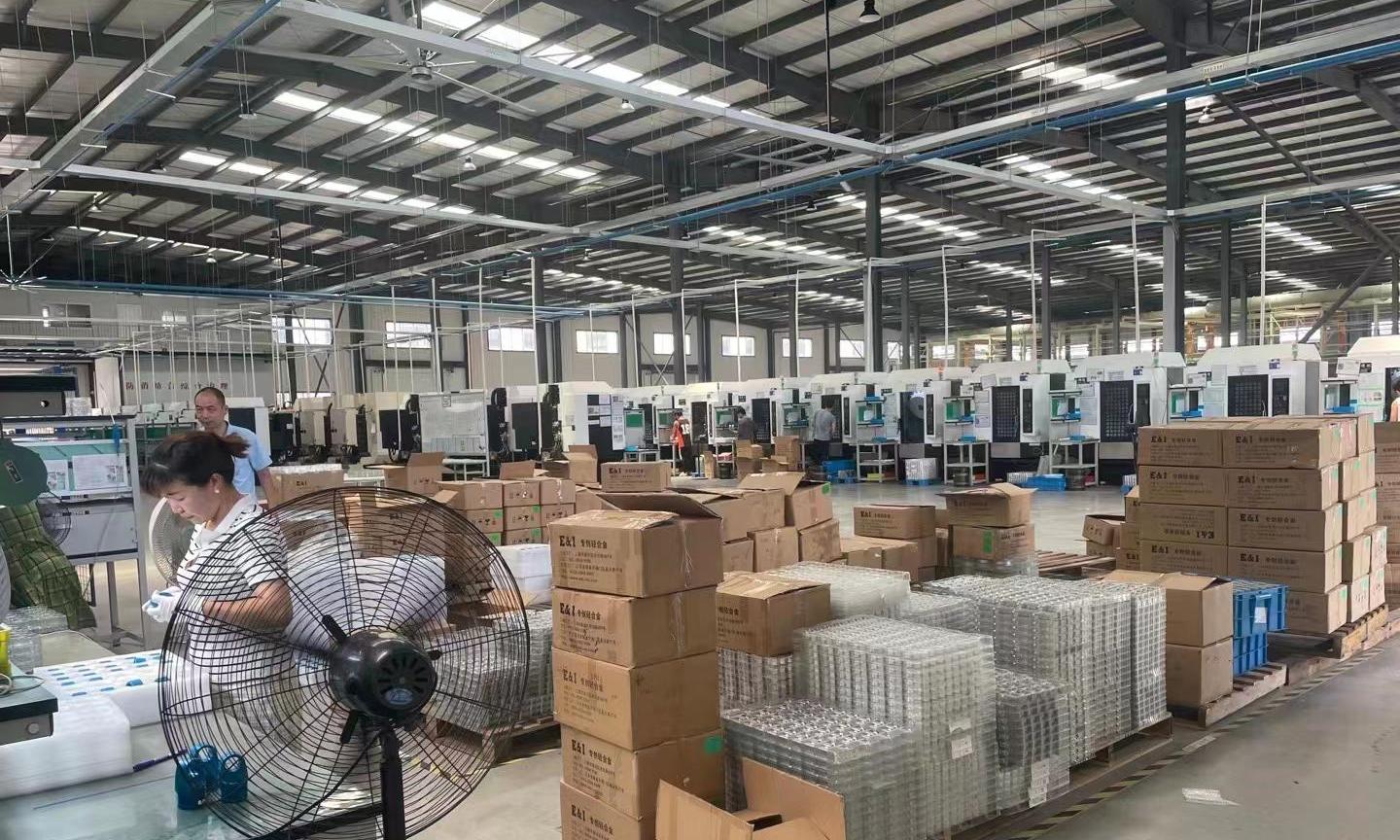
Utilizing advanced extrusion presses (up to 3,600 metric tons of force), we extrude heavy-duty profiles with straightness tolerances down to 0.3mm per meter. Our tooling dies are designed with internal rib configurations that prevent cross-sectional distortion during cooling.
Through our advanced vertical and horizontal anodizing baths, we control temperature and acid concentrations within tight ranges. This creates a uniform aluminum oxide layer ($Al_2O_3$) that prevents corrosion, resists light impact scratches, and ensures a clean, professional look.
E&I provides modular engineering accessories, including heavy-duty corner brackets, linear slides, T-nuts, and anchor bolts. Our engineering team assists with CAD design, structural load analysis, and finite element method (FEM) modeling to ensure your layouts perform perfectly under pressure.
Purchasing components globally requires compliance with safety, environmental, and engineering standards. Chengdu E&I Aluminum guarantees compliance across all international benchmarks.
Our extrusions strictly adhere to European norms such as DIN EN 12020-2, which governs tolerances on dimensions and form. This ensures that every 80x160 profile fits seamlessly with standard metric T-slot components globally.
We comply with European RoHS and REACH directives, certifying that our profiles are free of toxic substances. Additionally, our aluminum is 100% recyclable, helping global procurement partners meet carbon reduction goals.