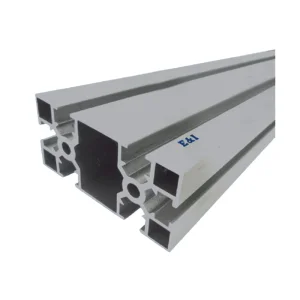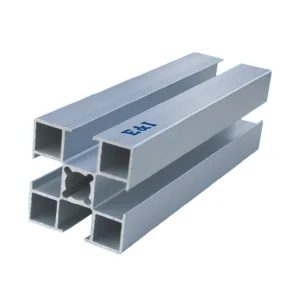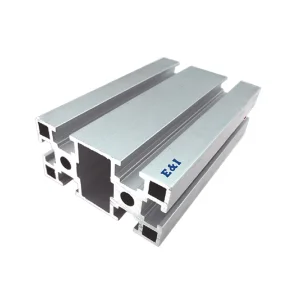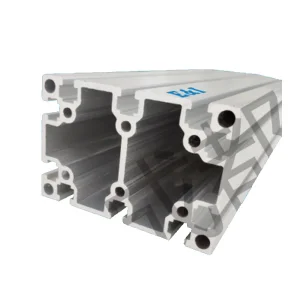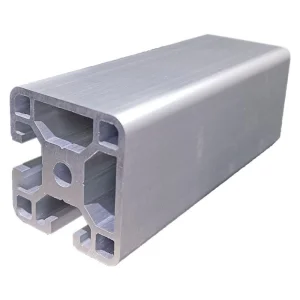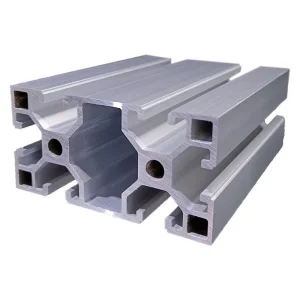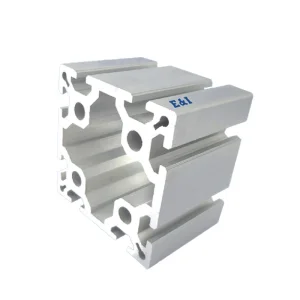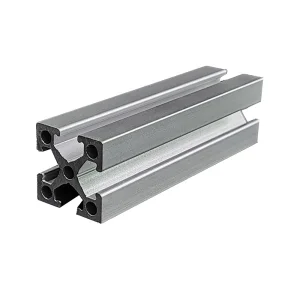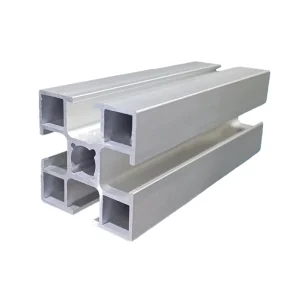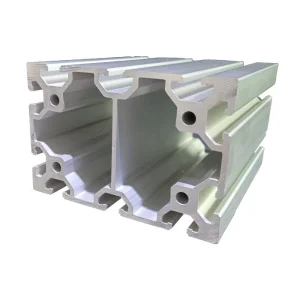
Engineered for high load capacity, rapid layout assembly, and outstanding structural endurance.
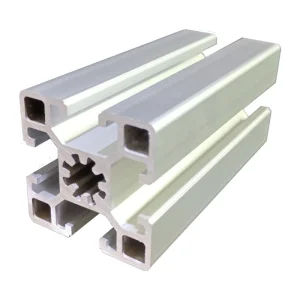
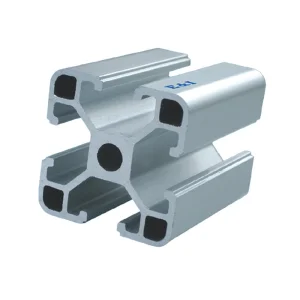
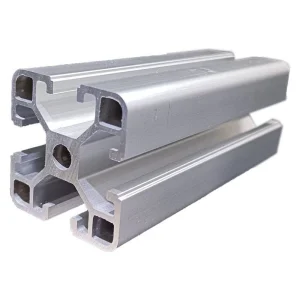
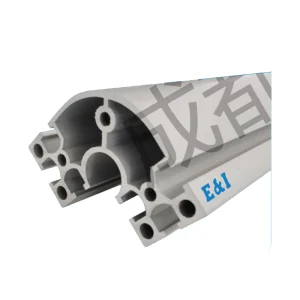
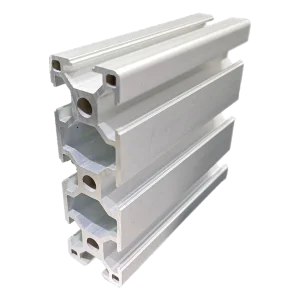
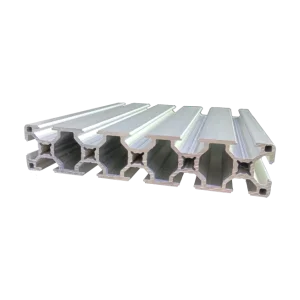
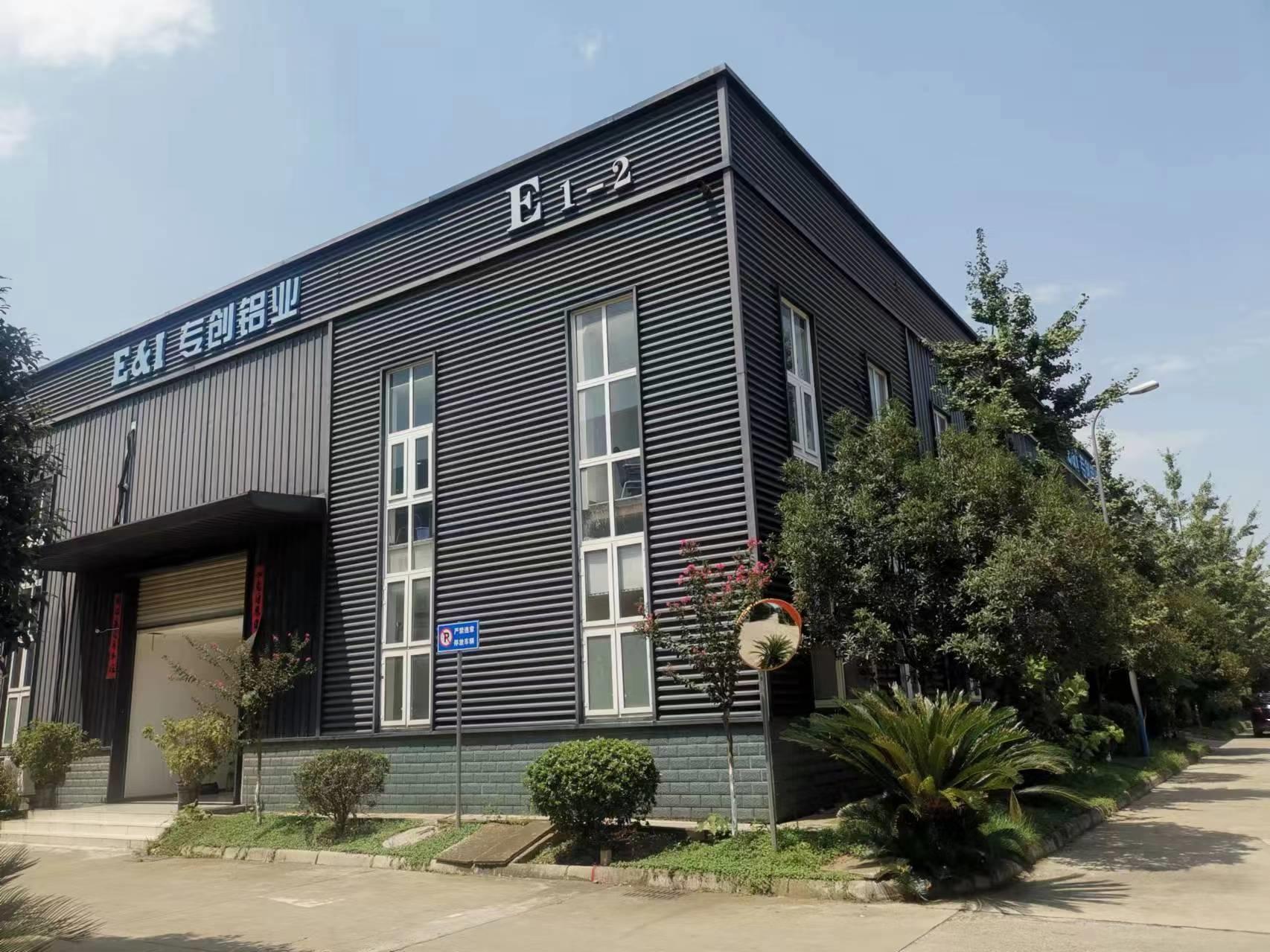
As modern manufacturing shifts toward rapid reconfigurability and cyber-physical systems, modular mechanical framing systems have transitioned from simple structural frameworks into highly engineered integration architectures. Under our core philosophy of "people-oriented, quality value, technological innovation, and win-win cooperation," Chengdu E&I Aluminum Industry Co., Ltd. specializes in designing and manufacturing high-difficulty, high-precision, and high-specification aluminum alloy profiles and fastening systems.
We work closely with the National Institute of Nonferrous Metals, drawing on China's light alloy research to provide comprehensive structural solutions, including precision-engineered profiles, castings, and forgings. Our systems serve key automotive, aerospace, and advanced logistics manufacturers, helping them optimize assembly processes, reduce structural deflection, and improve performance under dynamic loads.
Analyzing structural deflection, load distribution, and modular fastening physics.
The mechanical efficiency of a T-slot modular frame depends on the interplay between the profile's cross-sectional geometry, the material properties of the alloy (typically 6063-T5 or 6063-T6), and the design of the locking hardware. By utilizing structural designs like the E&I-10-4545 and the ENI-8-4080A, engineers can build frames that support heavy machinery while remaining simple to adjust or expand.
When designing support structures, calculating the Moment of Inertia ($I_x$ and $I_y$) and Section Modulus ($W_x$ and $W_y$) is essential to control bending deflection under load. Using Euler-Bernoulli beam theory, the deflection ($f$) of a profile supported at both ends under a concentrated central load ($F$) is calculated as follows:
Where L is the unsupported length, E is the modulus of elasticity of the aluminum alloy (typically $68.9 \text{ GPa}$), and I is the Moment of Inertia. Our high-precision profiles are extruded with controlled wall thickness tolerances (conforming to EN 755-9 standards) to ensure that theoretical load-bearing calculations match real-world performance, preventing structural failures in automated assembly lines and heavy protective covers.
T-slot systems are held together by locking fasteners that rely on high friction and positive locking. The connection options include:
| Profile Model | Dimensions (mm) | Slot Width (mm) | Alloy Grade | Recommended Connector Hardware | Primary Industrial Application |
|---|---|---|---|---|---|
| E&I-10-4545 | 45 x 45 | 10.2 | 6063-T6 | M10 T-Bolts / Central Anchor Bolt | Heavy Equipment Frames & Robot Stands |
| ENI-8-3838 | 38 x 38 | 8.2 | 6063-T5 | M8 T-Nuts / Inside Corner Brackets | Assembly Line Framing & Workstations |
| E&I-8-4040T | 40 x 40 | 8.2 | 6063-T5 (Light) | Quick Connectors / M8 Hardware | Safety Fencing & Light Conveyor Rails |
| ENI-8-30150A | 30 x 150 | 8.2 | 6063-T6 | M8 Hex Bolts & Flat Connection Plates | Linear Actuator Platforms & CNC Beds |
| E&I-10-100100B | 100 x 100 | 10.2 | 6061-T6 / 6063-T6 | Heavy Anchor Joints & Multi-Bolt Brackets | High-Load Gantries & Multi-Axis Shuttles |
How global industries utilize T-slot aluminum systems to optimize production floor design.
Modular systems require simple structural adjustments. Extruded frames like the ENI-6-3060A form the chassis for modular conveyors, sensor brackets, and variable-height worktables. They allow engineers to mount, move, and recalibrate handling systems without welding or refinishing.
Cleanroom environments demand low particulate emission and high corrosion resistance. Anodized profiles, such as the ENI-6-6090, feature sealed joints and smooth surfaces that resist dust buildup. The 12-15μm anodized finish also withstands harsh chemical cleaners.
Safety is critical around industrial robots and CNC stations. Arc-shaped profiles like the ENI-6-6630R and light vertical sections provide strong support frames for polycarbonate panels or wire mesh. These setups help absorb impact energy and isolate workers from moving parts.
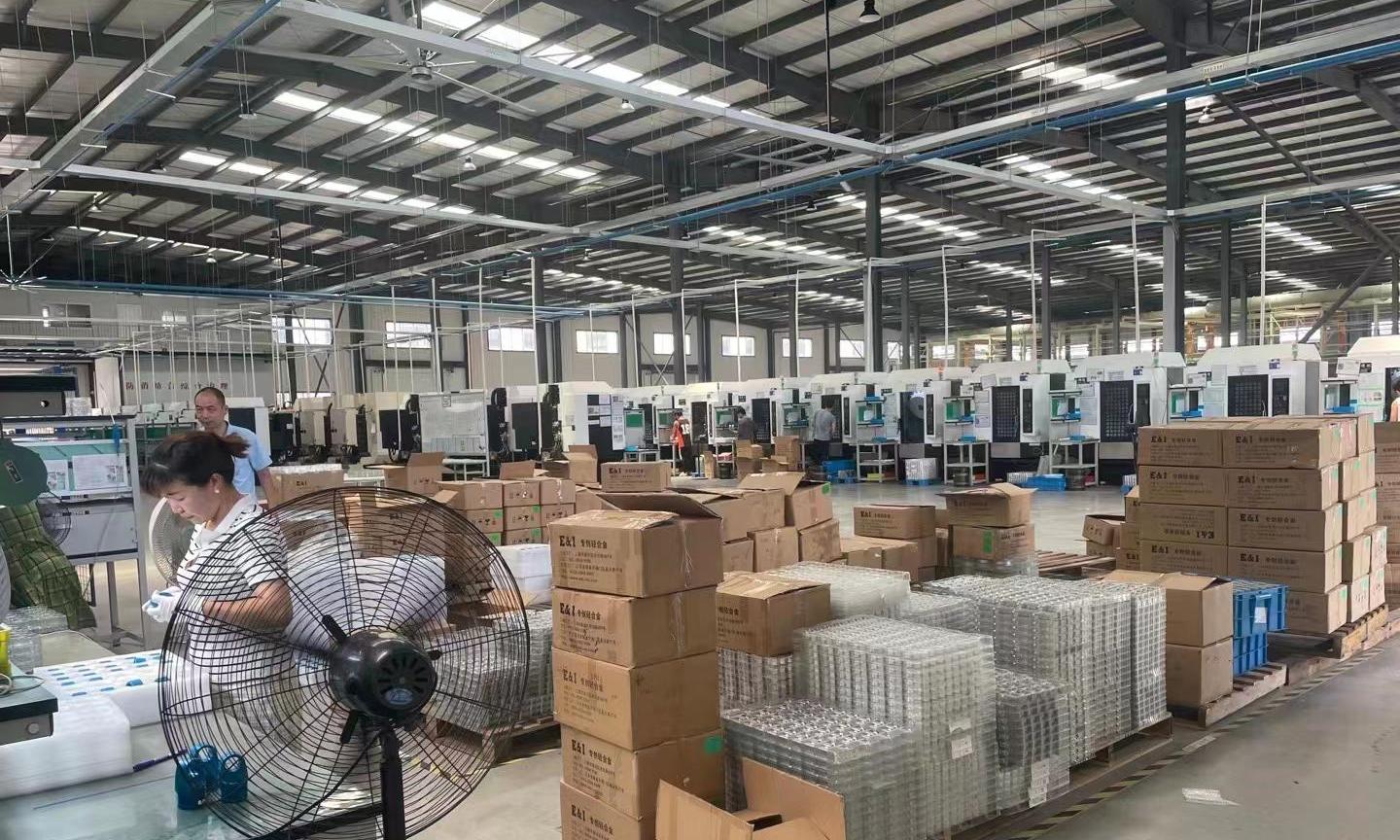
Chengdu E&I Aluminum Industry Co., Ltd. operates a manufacturing facility designed around lean production principles. Our production lines integrate extrusion, structural design, mechanical processing, and surface treatment into a single, cohesive workflow.
By using CNC extrusion systems, we monitor extrusion speed and exit temperatures in real time. This control helps maintain consistent mechanical properties along the entire profile length, minimizing internal stresses and twist. Our processing facility handles cut-to-length tasks, precision tapping, milling, and custom packing, ensuring all components arrive ready for rapid assembly.
Our Quality Management System is certified to ISO 9001:2015. Each batch of aluminum raw material undergoes spectral analysis to verify chemical composition before processing, ensuring our products meet structural safety requirements.
Developing lightweight alloys, smart structures, and low-carbon production methods.
We are expanding our use of recycled aluminum billet feeds. By processing high-purity clean scrap with primary aluminum, we can reduce energy use during casting by up to 90% while maintaining the mechanical strength and anodizing quality required for demanding industrial applications.
We are developing ultra-wear-resistant surface coatings. Our team is testing hybrid organic-inorganic anodization processes designed for environments with high salt exposure or chemical washdowns, offering protection that outperforms standard oxide coatings.
To support smart factories, we are designing profile channels that simplify the mounting of micro-sensors and bus cabling. This allows monitoring data like temperature and frame vibrations directly from the machine's supporting structure.
Aligning manufacturing standards with international trade regulations and technical expectations.
Purchasing structural materials for worldwide operation requires careful attention to regional industrial standards and environmental regulations. Chengdu E&I ensures that all shipments meet essential global compliance requirements:
Detailed technical answers addressing common structural design and installation questions.
Engineered for high load capacities, cleanroom layouts, and heavy automated frames.