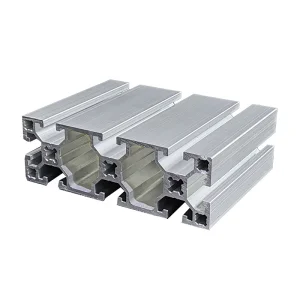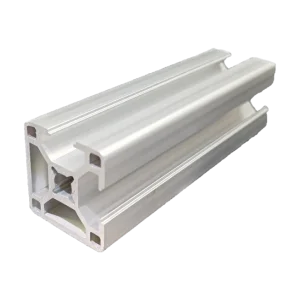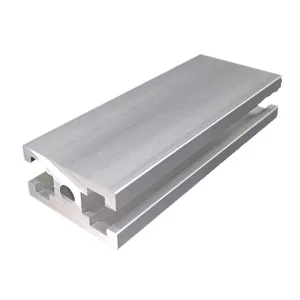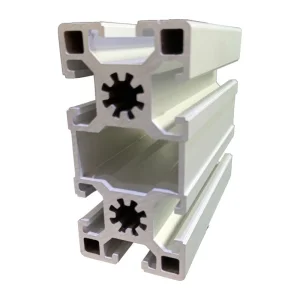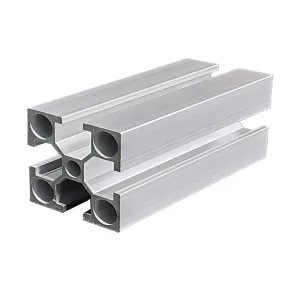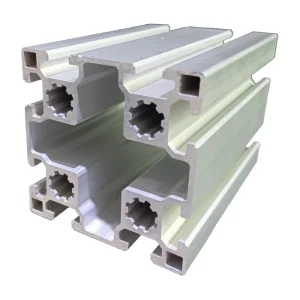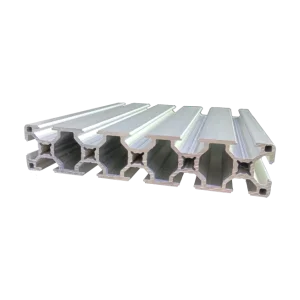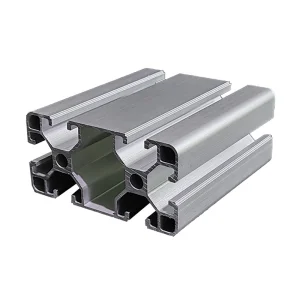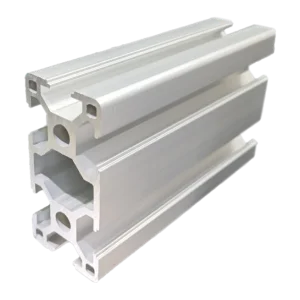
Deploying structural grade 6000-series alloy systems designed for severe-load framework, precise robotics guiding lines, and specialized automation structures.
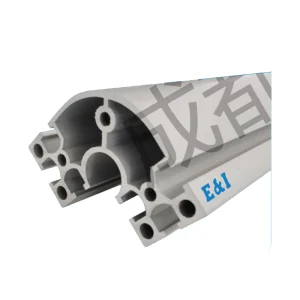
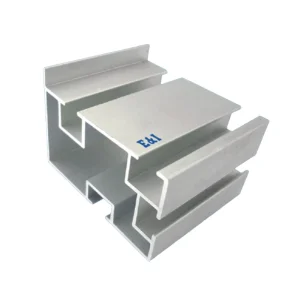
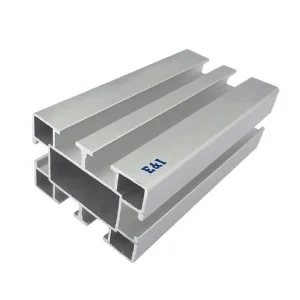
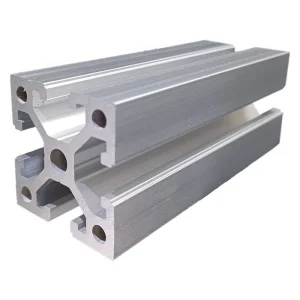
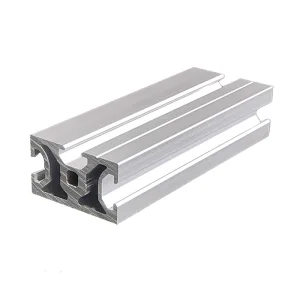
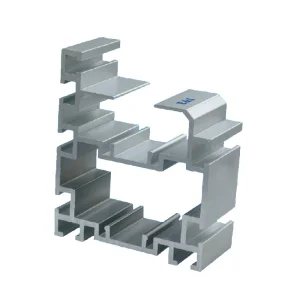
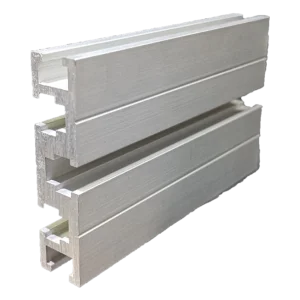
In the contemporary macro-industrial era, the global transition towards lightweight, modular, and sustainable manufacturing structures has pushed extruded aluminum alloys to the forefront of engineering. The global structural aluminum market is currently valued at billions, driven by advancements in robotics, warehouse automation, solar tracking structures, and cleanroom technologies. Standard structures that once relied heavily on welded steel are being replaced by T-slot aluminum configurations due to their high strength-to-weight ratio, structural elasticity, and ease of assembly without hot work permits.
Modern factory facilities demand materials that comply with strict global safety benchmarks. Modular aluminum structural frameworks allow factories to scale up processing paths, secure electronic control rooms, and minimize structural loads. Additionally, the recycling capabilities of aluminum facilitate corporate sustainability transitions, optimizing Scope 3 emissions for multinational supply chains.
Based in the industrial manufacturing hub of southwest China, Chengdu E&I Aluminum Industry Co., Ltd. operates on the corporate business philosophy of "people-oriented, quality value, technological innovation, and win-win cooperation". The enterprise specializes in high-difficulty, high-precision, and high-specification aluminum alloy research, development, and industrial extrusion manufacturing.
E&I Aluminum collaborates with the National Institute of Nonferrous Metals, drawing on a specialized aluminum technology team to deliver comprehensive structural solutions, including extruded profiles, castings, and forgings. E&I's QA/QC protocols secure global-tier mechanical parameters, cementing long-term relationships with Fortune 500 enterprises in aerospace, precision automotive manufacturing, and rail transport lines.
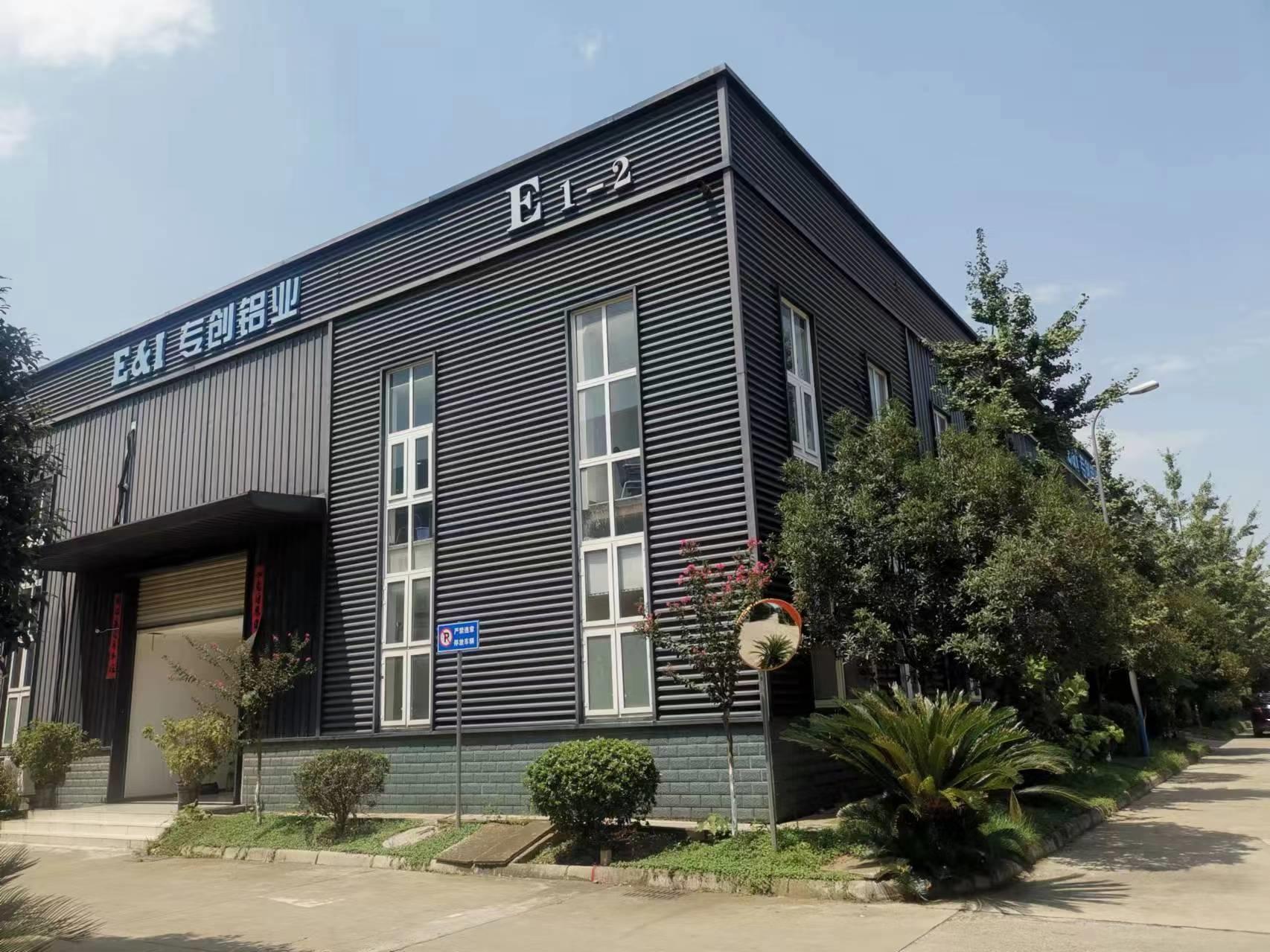
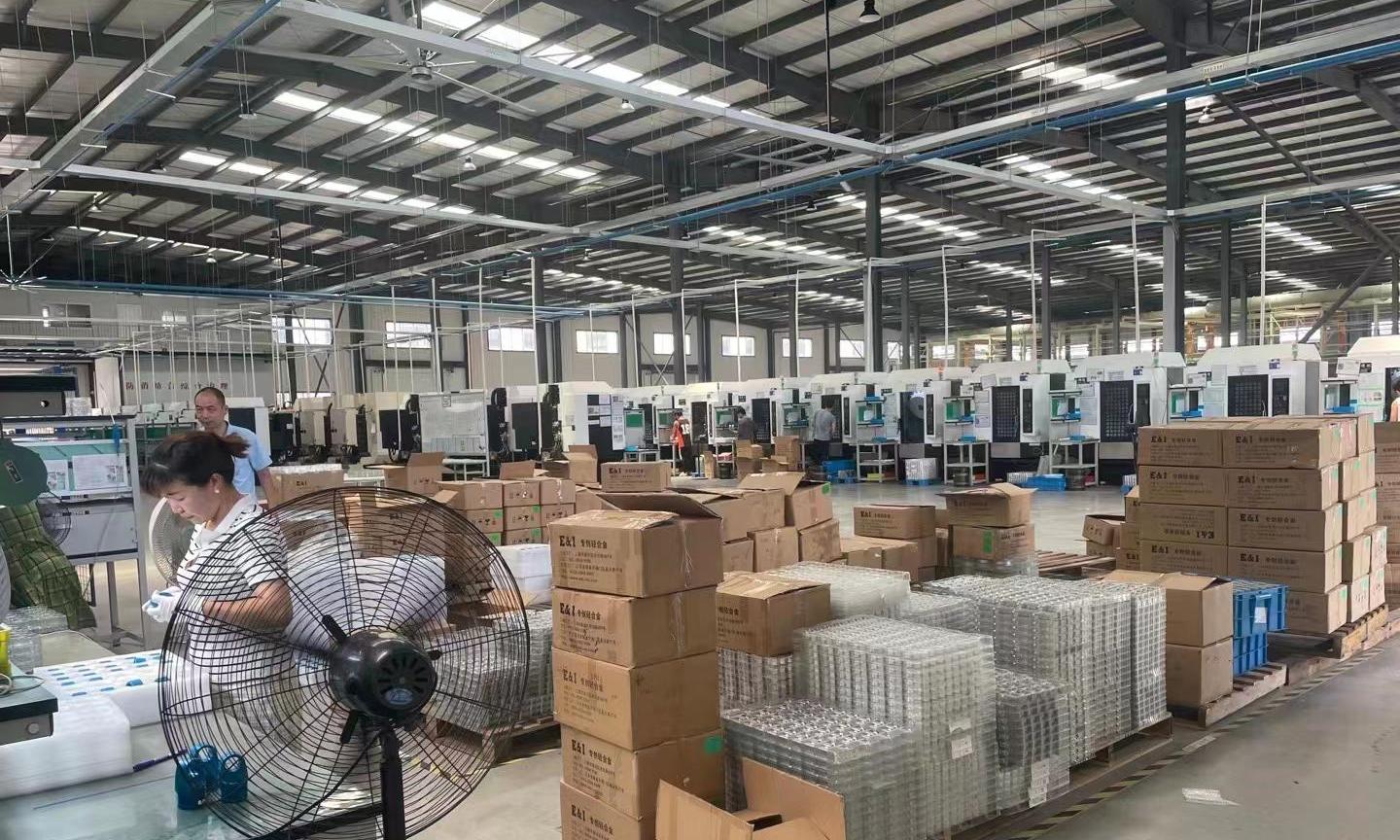
Chengdu E&I Aluminum Industry Co., Ltd. targets a leading position in China's light alloy industry regarding product competitiveness, structural design capability, and research validation. The core mission is to supply downstream supply networks with durable, highly stable materials that simplify integration and enhance systemic reliability.
The factory's processing lines support a comprehensive manufacturing cycle: product concept design, tooling design, die development, extrusion manufacturing, mechanical CNC machining, automated sandblasting, chemical anodizing, powder coating, and final assembly. Extrusion outputs strictly comply with high-precision industrial thresholds, ensuring corrosion resistance, anti-loosening properties, high joint load limits, and long-term dimensional stability.
We value our workforce as our primary asset, fostering professional growth and providing competitive compensation to drive collective progress.
Providing durable structural outputs that minimize total cost of ownership (TCO) and maximize functional lifespan.
Investing in material science, tooling optimization, and mechanical simulation to maintain an technological advantage over competitors.
Building long-term supply relationships with international industrial integrators, ensuring shared benefits and reliable structural outcomes.
Our extrusion technology relies on precise control over material composition and cooling rates. By using premium 6000-series alloy billets (principally 6063, 6061, and 6082), we optimize properties such as yield strength, surface quality, and anodizing performance.
The structural performance of our profiles is determined by their heat treatment history. In the table below, we compare the key performance metrics of our primary structural profiles under different tempers (T5 vs. T6):
| Alloy & Temper | Yield Strength (MPa) | Tensile Strength (MPa) | Elongation (%) | Primary Application Area |
|---|---|---|---|---|
| 6063-T5 | ≥ 110 | ≥ 160 | ≥ 8 | Standard architectural framing, clean room walls, partition systems |
| 6063-T6 | ≥ 170 | ≥ 215 | ≥ 8 | Medium-duty automated guide tracks, mechanical frames, workstation posts |
| 6061-T6 | ≥ 240 | ≥ 260 | ≥ 10 | Heavy structural chassis, CNC linear guide mounts, aerospace support racks |
| 6082-T6 | ≥ 260 | ≥ 310 | ≥ 10 | High-load marine structures, industrial cranes, heavy transportation frames |
To maintain consistent performance, we monitor the microstructure of the magnesium-silicide (Mg2Si) hardening phase. Through precise control of quench rates, we minimize grain boundaries that could weaken the profile. This structural consistency ensures that our profiles resist mechanical fatigue in high-vibration applications, such as high-speed automated sorting systems.
We provide complete industrial solutions, supplying both individual profiles and fully integrated assemblies customized for specific operational requirements.
Using our high-strength profiles, such as the ENI-6-1560 and ENI-8-4060A, we design conveyor frameworks and linear guide rails that support continuous processing at high speeds.
Using clean-profile configurations like the anodized ENI-8-3060, we assemble modular enclosures for pharmaceutical and semiconductor facilities that meet international dust-free standards.
For heavy-duty structural applications, our thick-walled profiles, including the ENI-10-8080H, provide high load capacity and structural stability, replacing traditional steel frames.
Using profiles like the ENI-8-4040GT, we build protective machine guards and visual display cabinets that protect sensitive automated equipment from debris.
Detailed technical answers to common queries regarding load limits, surface treatment specifications, and mechanical assembly of industrial aluminum profiles.
Precision-machined architectural, cleanroom, and structural profile designs engineered to simplify site assembly and improve system integrity.