Industry Whitepaper & Technical Guide

High-Quality Angled Aluminium Extrusion Factories & Products

Deploying high-precision structural alloys, innovative smart manufacturing, and resilient global supply chains for advanced automotive, aerospace, and automation frame applications.

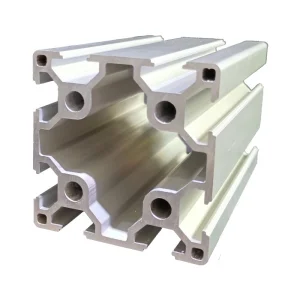
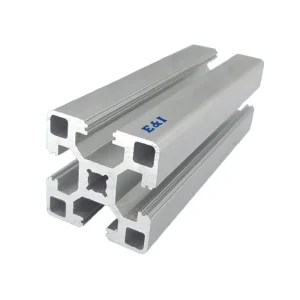
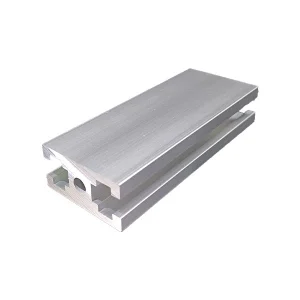
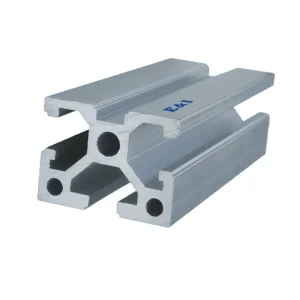
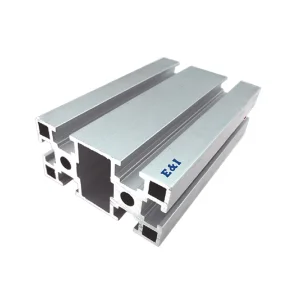
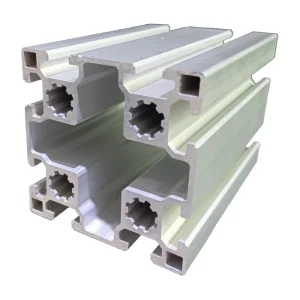
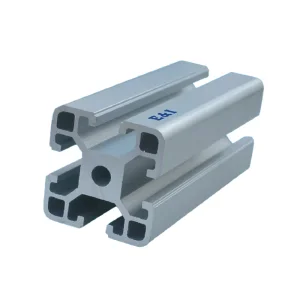
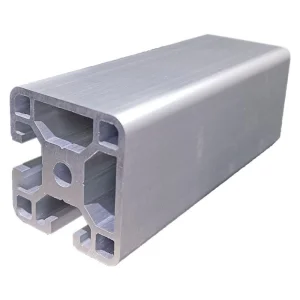
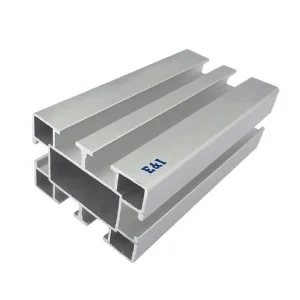
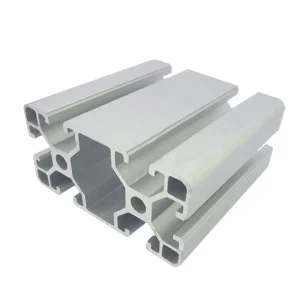
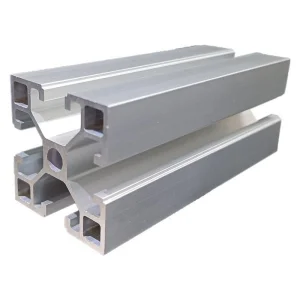
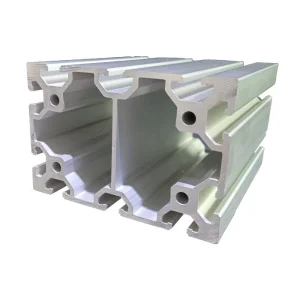
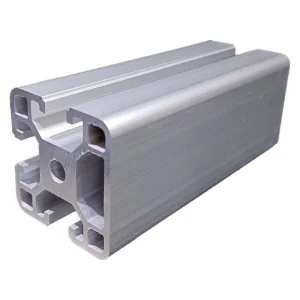
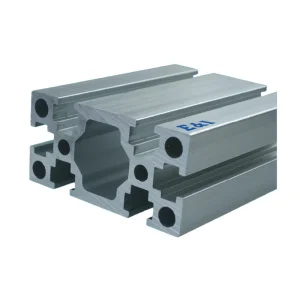
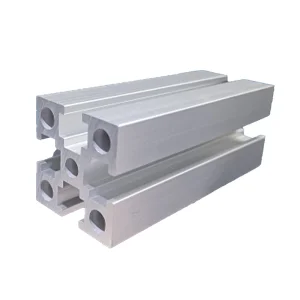
Premium Structural Aluminium Profile Showcase (Series I)

Explore our precision-engineered industrial profiles, optimizing structural integrity with various slot configurations, anodized finishes, and customized dimensions.

Market Analysis

Global Commercial & Industrial Landscape

In the contemporary industrial manufacturing space, the demand for high-strength, lightweight structural materials has escalated rapidly. As global commerce prioritizes efficiency, sustainability, and rapid prototyping, angled aluminium extrusion has emerged as an indispensable cornerstone. Unlike traditional steel fabrications, modern structural aluminium profiles offer high strength-to-weight ratios, eliminating the need for heavy welding setups and post-machining operations.

From complex robotic arms to protective structures on automotive assembly lines, cleanrooms, and renewable energy racking setups, extruded profiles serve as the load-bearing framework. Industrial operations are shifting from inflexible, welded machinery beds to modular, highly customizable structural profiles. Because they can be easily reconfigured, companies can significantly reduce lead times and engineering design costs, allowing them to remain agile in a competitive market.

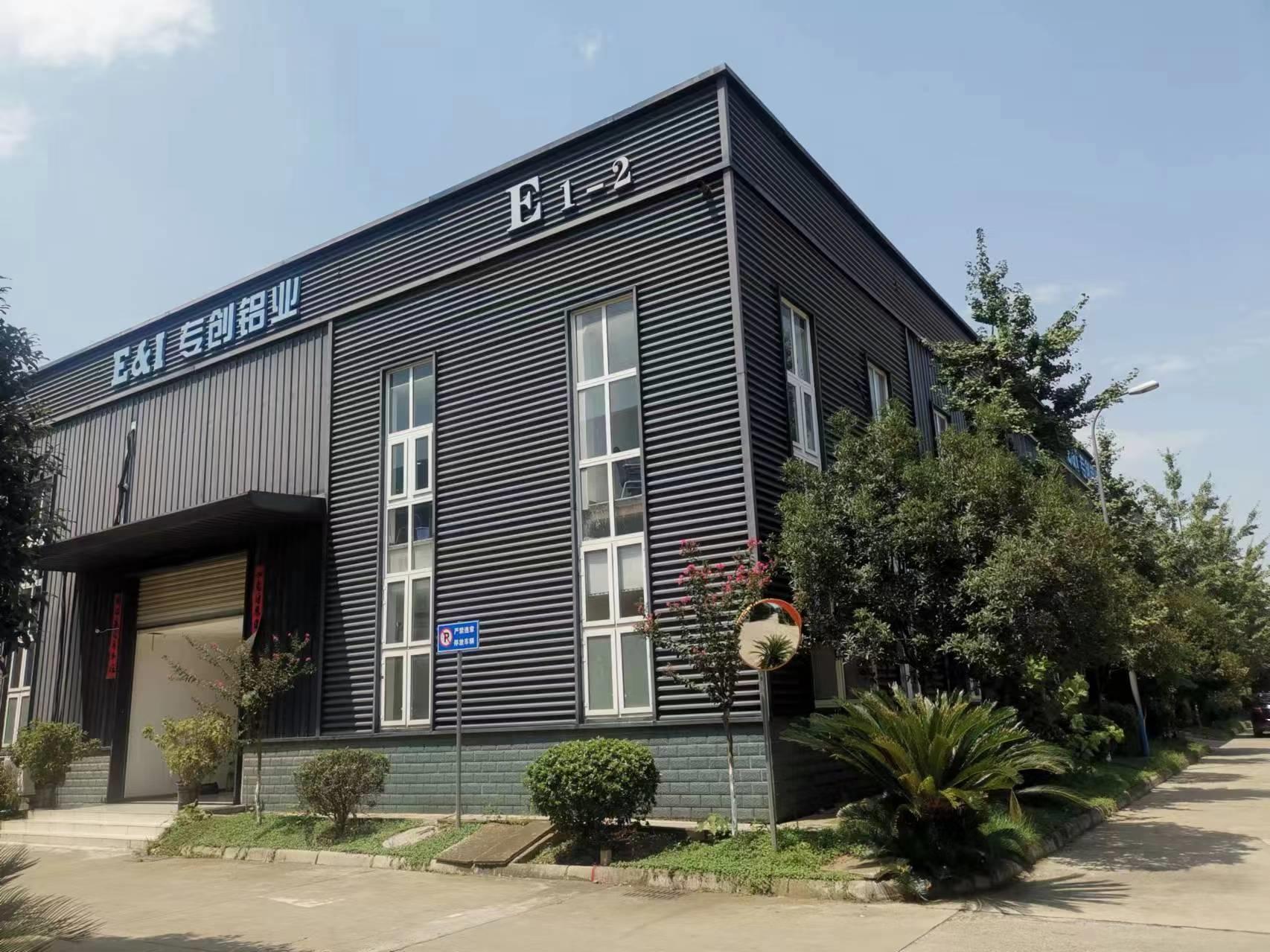
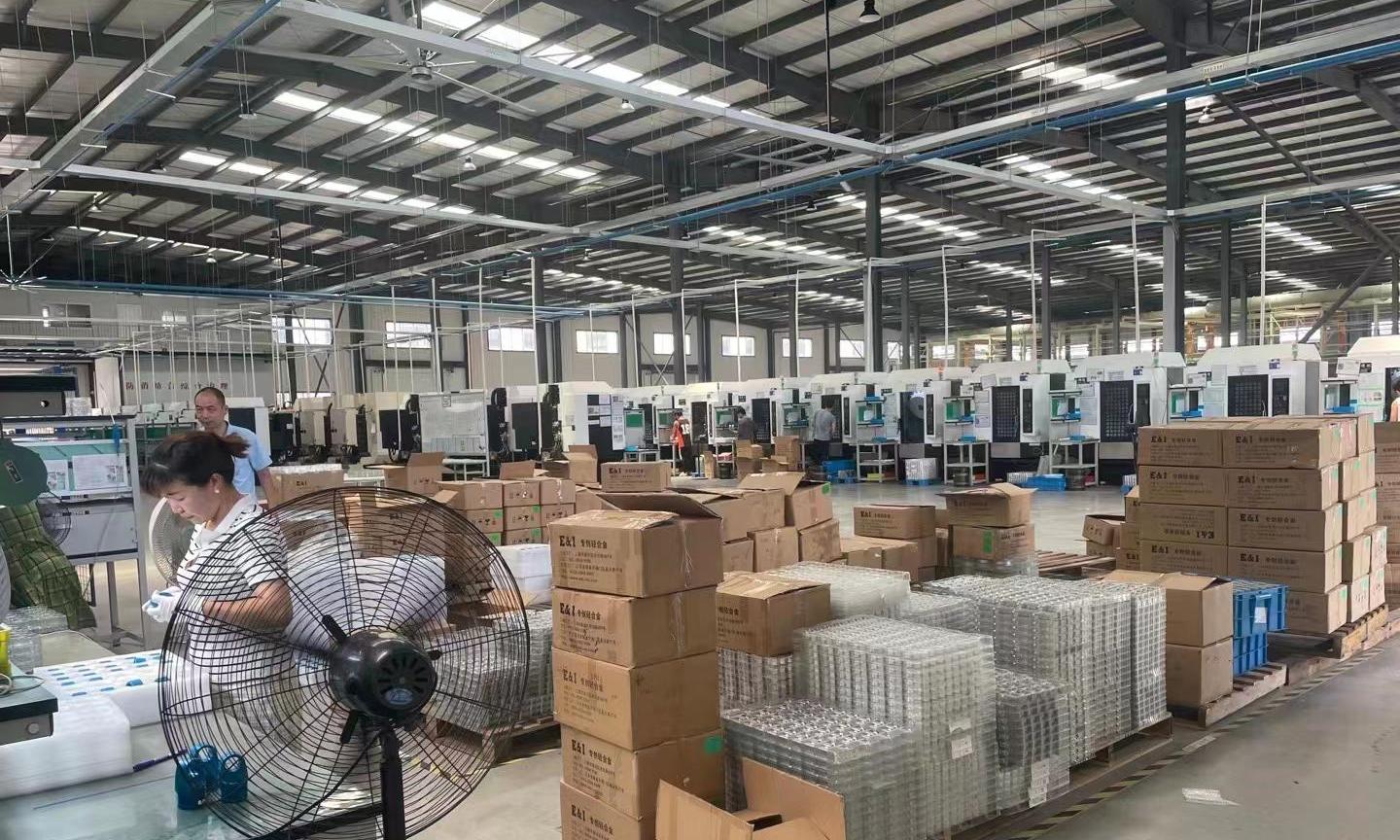
Chengdu E&I Aluminum Extrusion Factory Facility
Industry Trends in Extrusion Engineering & Metallurgy

Driven by technological innovation, modern aluminium extrusion involves advanced metallurgy, smart thermal treatments, and strict tolerance standards.

High-Strength Alloy Formulations

The industry is transitioning toward customized 6000-series (such as 6063-T5, 6061-T6) and 7000-series alloy compositions. By adjusting trace element percentages of silicon, magnesium, and copper, extruders can optimize tensile strength, ductility, and corrosion resistance to meet specialized engineering requirements.

Ultra-Precision Tolerances

With the widespread use of automated robotics, profile tolerances are tighter than ever. Advanced hot-die extrusion techniques paired with automated cooling tables ensure deviation from straightness, twist, and flatness are kept within fractions of a millimeter, meeting strict international standards like EN 755.

Green Aluminium & Carbon Neutrality

Decarbonization drives global corporate sourcing decisions. Modern smelters rely on renewable energy sources like hydroelectric power to produce green primary aluminium billets. They also integrate post-industrial recycled material back into the production cycle, minimizing the overall carbon footprint.

6063-T6
Primary Structural Alloy Grade
< 0.3mm
Tolerances Maintained per Meter
100%
Recyclable Material Base
35+ Years
Typical Lifetime Outdoors
Chengdu E&I Aluminum Extrusion Precision Stock
Strategic Procurement

Global Sourcing Requirements and Technical Auditing

When purchasing industrial structural profiles, enterprise procurement managers evaluate much more than unit price. Achieving a low Total Cost of Ownership (TCO) requires long-term reliability, strict tolerance controls, and streamlined logistics.

B2B buyers routinely audit partners based on the following key metrics:

  • Alloy Certification: Raw material origin, chemical testing analysis, and mechanical properties reports (including tensile, yield, and elongation metrics) matching ASTM/EN standards.
  • Anodizing Consistency: Uniform oxide film thickness (10 to 20+ microns) to protect profiles from salt spray, ambient moisture, and contact wear.
  • Fastener Integration: Precise T-slot, T-bolt, and bracket alignment to simplify assembly processes without modifying parts on-site.
  • Custom Machining Capabilities: In-house CNC cutting, drilling, tapping, and miter-cutting services to reduce extra assembly steps upon arrival.
China Factory 4.0: Chengdu E&I Aluminum Industry Co., Ltd.

Integrating state-of-the-art extrusion lines, advanced automated surface treatments, and a strategic R&D partnership with the National Institute of Nonferrous Metals.

Chengdu E&I Aluminum Industry Co., Ltd. operates at the intersection of material science and advanced manufacturing. Guided by our business philosophy of "people-oriented, quality value, technological innovation, and win-win cooperation," our company is dedicated to the research, development, and manufacturing of high-difficulty, high-precision, and high-specification aluminium alloy products.

By partnering with the National Institute of Nonferrous Metals, we maintain a professional R&D team in the domestic light alloy industry. This technical foundation allows us to offer our clients comprehensive solutions for custom profiles, structural castings, and high-integrity forgings. Our manufacturing and testing facilities guarantee reliable quality control, enabling us to deliver value-driven solutions and serve as a reliable strategic partner for companies worldwide. Over the years, our client portfolio has grown to include global Fortune 500 corporations, leading automotive manufacturers, and aerospace suppliers.

People-Oriented Culture

Our workforce is our most valuable asset. We support our employees by providing long-term career growth, fair compensation, and a safe, modern working environment.

Quality Value Assurance

We focus on delivering high-precision structural products that solve real engineering challenges and generate commercial value for our global customers.

Continuous Innovation

Through sustained R&D investment, we maintain a competitive advantage in light alloy engineering, coordinating product design, extrusion manufacturing, and quality management processes.

At our modern factory, we operate integrated manufacturing lines, including billet preheating, multi-ton extrusion presses, automatic powder coating, and automated anodizing units. We offer a true one-stop service, covering initial die design, custom extrusion, precision machining, surface finishes, and final structural assembly. Whether you need custom workbenches, heavy-duty machinery safety fences, solar support brackets, cleanrooms, or automated conveyor components, we can supply the entire system with corresponding fasteners and accessories.

Our industrial profiles meet national high-precision requirements, featuring clean visual finishes, high corrosion resistance, and structural stability. The secure slot structures withstand high vibrations and dynamic loads, preventing fasteners from loosening and ensuring a long service life in demanding industrial settings.

Technical Specifications & Material Standards

A quick-reference guide to the metallurgical properties and finish options of our structural industrial profiles.

Alloy & Temper Grade Tensile Strength (MPa) Yield Strength (MPa) Elongation (%) Surface Treatment Options Primary Industrial Use Cases
6063-T5 ≥ 160 ≥ 110 ≥ 8 Satin/Clear Anodized, Powder Coated Modular frames, workstation desks, partition fences, guardrails
6063-T6 ≥ 205 ≥ 170 ≥ 8 Hard Anodized, Sandblasted Clear Medium load conveyor guides, cleanroom structures, solar support
6061-T6 ≥ 265 ≥ 245 ≥ 8 Acid Etched Anodized, Electrophoresis Heavy structural frames, CNC chassis, automotive assemblies, workbenches
6082-T6 ≥ 290 ≥ 250 ≥ 8 Mill Finish, Heavy Industrial Anodized High-stress machinery platforms, lifting equipment, offshore structures
Localized Industrial Application Scenarios

How global engineers deploy angled and structural aluminium profiles across various assembly lines and environments.

Automated Assembly Lines

Using profiles like the E&I-8-6060 or ENI-6-3060A, engineers build light, high-strength frames. The integrated slots permit rapid mounting of pneumatic actuators, optical sensors, and linear guide rails without drilling holes.

Robotic Guarding & Safety Enclosures

Safety standards require physical fences around fast-moving industrial equipment. Profiles like the ENI-8-3838B and ENI-8-3040 make it simple to assemble custom guardrails. These profiles accommodate wire mesh or polycarbonate panel inserts directly into the profile slots.

Cleanrooms & Laboratories

In semiconductor fabrication and pharmaceutical manufacturing, minimizing particulates is critical. Anodized profiles with sealed, smooth outer faces (such as the one-side-sealed ENI-6-2035EE or two-side-covered E&I-8-4040E) prevent dust accumulation and withstand regular sanitization.

Technical FAQ: Extrusion & Application Insights

Expert answers to common questions about selecting alloys, specifying tolerances, customizing finishes, and managing shipping logistics.

How do 6063 and 6061 aluminium alloys compare for structural profiles?
6063 alloy is preferred for profiles with complex shapes or thin walls where surface finish is critical. It offers moderate strength, excellent corrosion resistance, and responds very well to anodizing. 6061 alloy is a higher-strength structural grade, commonly specified for heavy-duty frames, truck components, and parts subjected to high stress. However, it is harder to extrude into complex, thin-walled shapes and typically has a slightly rougher surface finish.
What is the standard anodizing layer thickness for industrial profiles?
For typical indoor environments (like assembly workstations, conveyor supports, and safety enclosures), an anodizing thickness of 10 to 12 microns is standard. For harsher environments, including outdoor frames, coastal installations, or cleanrooms subjected to aggressive washdowns, we recommend an anodizing thickness of 15 to 25 microns to ensure long-term wear and corrosion protection.
Can you provide custom profiles based on specialized CAD drawings?
Yes. Chengdu E&I Aluminum Industry Co., Ltd. provides a complete OEM/ODM service. Our engineering team collaborates with the National Institute of Nonferrous Metals to evaluate alloy requirements, refine structural geometries, design custom extrusion tooling, and manufacture profiles to meet your exact specifications.
What quality standards do your factory products meet?
Our manufacturing processes follow Chinese high-precision national standards (GB/T 5237) as well as equivalent international standards (such as EN 755 and ASTM B221). Every production run undergoes rigorous checking for dimensional tolerances, surface quality, coating adhesion, and mechanical strength.
How do sealed-side profiles differ from open T-slot profiles?
Sealed-side profiles (like the ENI-8-4040EE or ENI-6-2035EE) have one or more outer faces completely closed and smooth, while maintaining standard T-slots on the remaining faces. This design prevents dust, grease, and debris from accumulating inside the slots, makes cleaning easier, and provides a sleek look for office desks, medical devices, and cleanroom workbenches.
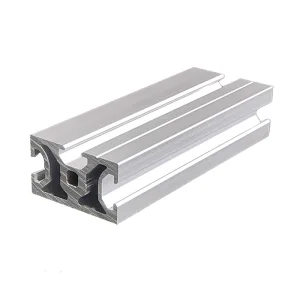
Premium Structural Aluminium Profile Showcase (Series II)

Explore our secondary range of modular profiles, engineered to meet diverse structural loads, surface treatment requirements, and frame designs.