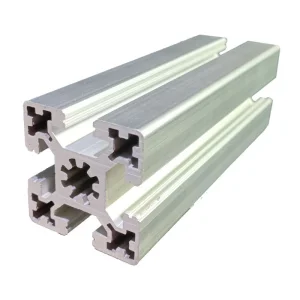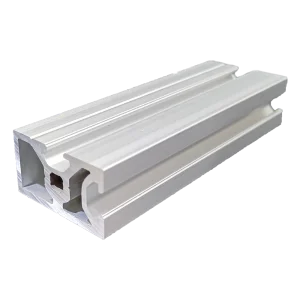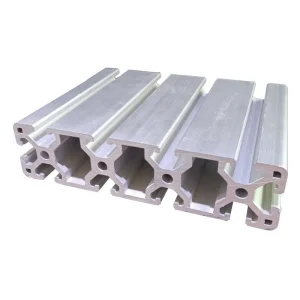
As Sub-Saharan Africa’s largest economy, Nigeria is experiencing a rapid industrial modernization. The growth of the Lagos-Ibadan industrial corridor, Lekki Free Trade Zone, and major ports in Port Harcourt drives localized assembly, food packaging, pharmaceutical manufacturing, and automated assembly operations. Historically, heavy structural assemblies relied exclusively on structural carbon steel. However, the high relative humidity, coastal salinity, and acidic air conditions of hubs like Apapa and Ikeja accelerate steel degradation. This has triggered a massive transition toward high-grade, anodized modular aluminum structural systems.
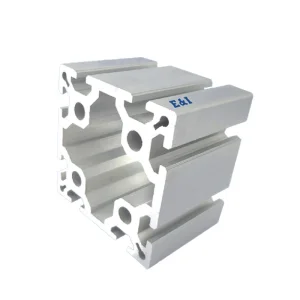
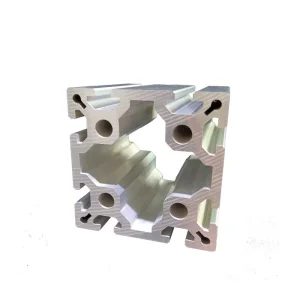
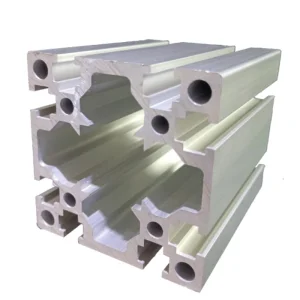
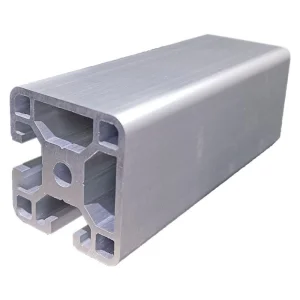
The 100 Series heavy-duty structural profiles (100x100mm, slot width 8mm and 10mm) provide the rigid mechanical properties required to support massive static and dynamic payloads without the structural weight penalty of steel. T-slot structures reduce the need for highly specialized welding infrastructure on-site, allowing local technicians to assemble intricate conveyor beds, machine enclosures, and mezzanine decks using basic hand tools. This structural flexibility is crucial for Nigerian businesses facing fluctuating energy grids, where continuous welding operations can be both expensive and unreliable.
Under heavy mechanical stresses, the performance of the E&I-10-100100B and E&I-8-100100 profiles is defined by their high Moment of Inertia (Ix, Iy) and high-quality chemical formulation. Extruded from 6063-T5 or T6 grade aluminum, these profiles offer a tensile strength exceeding 205 MPa. The internal web design distributes loads evenly, preventing localized deformation under high torque or heavy point loads.
For international supply chain managers and project engineers sourcing profiles for Nigerian operations, compliance with local regulations is essential. Chengdu E&I Aluminum Industry Co., Ltd. ensures all materials meet the Standards Organisation of Nigeria Conformity Assessment Programme (SONCAP) guidelines. Every shipment is accompanied by Product Certificates (PC) and Certificate of Conformity (CoC) documents, verifying chemical composition (including precise percentages of magnesium and silicon in 6000-series alloys) and structural testing reports. This guarantees seamless customs clearance through major ports like Apapa, eliminating costly logistics bottlenecks.
Modern production facilities in West Africa require integrated systems rather than simple raw materials. Chengdu E&I Aluminum Industry provides turnkey systems based on the 100 Series and supporting structural extrusions:
Established with a firm commitment to the business philosophy of "people-oriented, quality value, technological innovation, and win-win cooperation," Chengdu E&I Aluminum Industry Co., Ltd. focuses on the R&D and manufacturing of high-difficulty, high-precision, and high-requirement aluminum alloy products.
Our company leverages partnerships with national light alloy research teams to offer deep technical expertise in structural design and material science. We provide global clients with comprehensive aluminum alloy solutions spanning extrusions, custom profiles, castings, and forgings. Our high-precision testing and production machinery guarantees strict compliance with global quality metrics, creating reliable long-term value for automotive, aerospace, and heavy industrial operations worldwide.
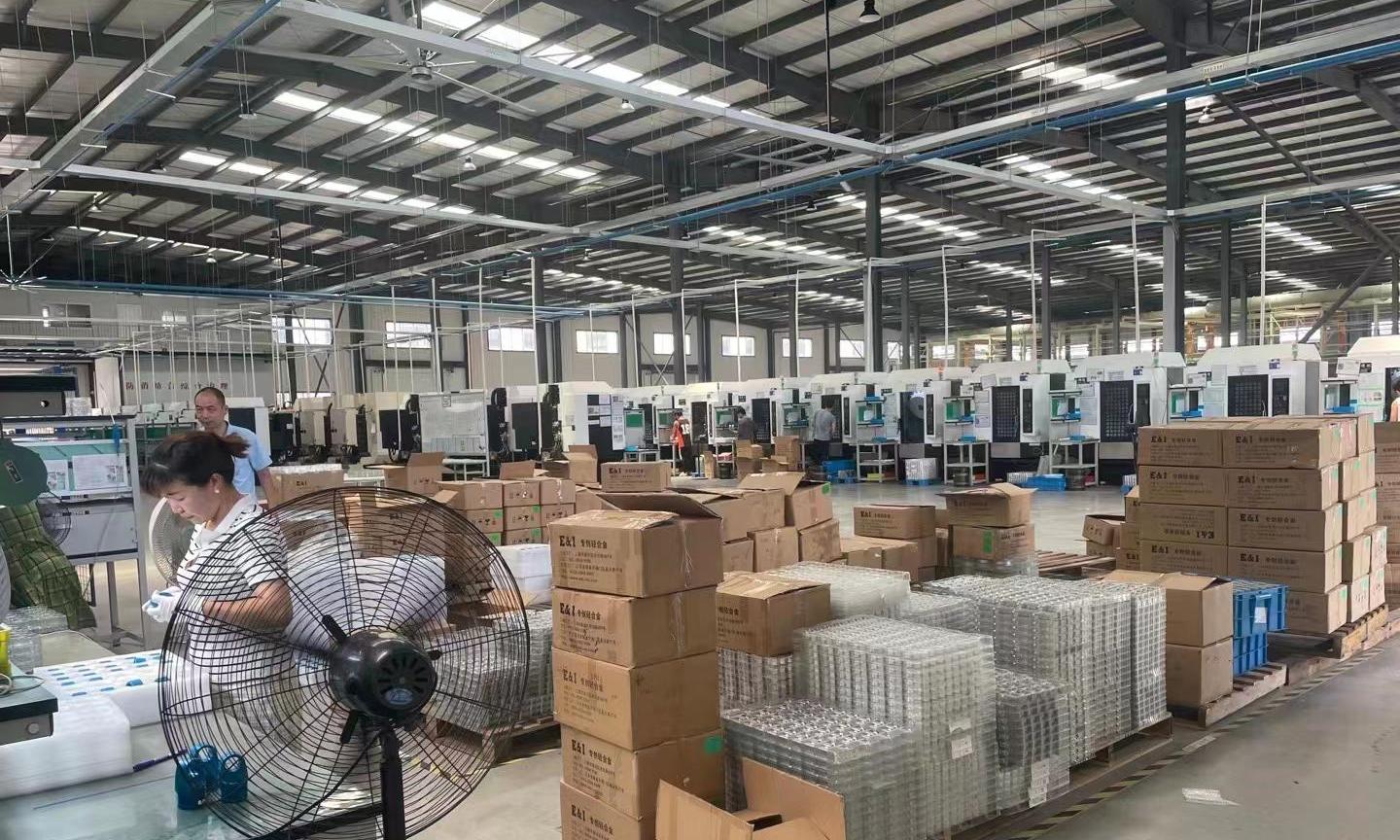
For West African manufacturing hubs, we provide a complete, one-stop service encompassing structural design, profile extrusion, surface treatment (such as anodizing and powder coating), and modular pre-assembly for logistics frames, cleanroom enclosures, solar mounting structures, and conveyor systems.
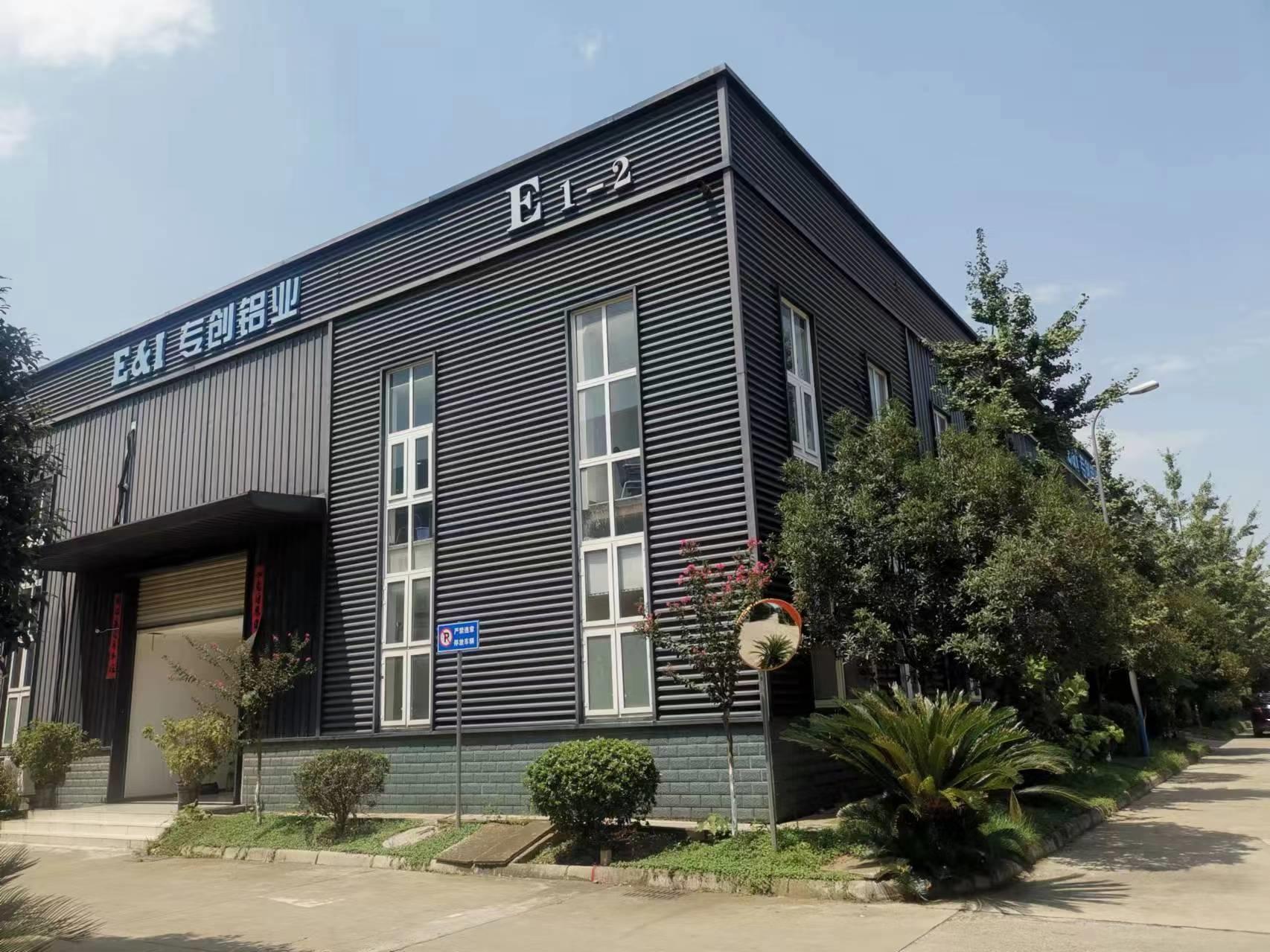
Our mission is to establish ourselves among the top-tier structural aluminum providers in terms of product competitiveness, technical innovation, and customer satisfaction. We strive to empower our clients by delivering high-grade structural components that reduce assembly times, lower maintenance overheads, and withstand challenging operating environments.
Through close cooperation with local engineering companies and industrial distributors in emerging markets like Nigeria, E&I Aluminum focuses on creating shared development pathways that support regional industrialization and modernization.
We prioritize the growth and safety of our workforce, offering professional development pathways and competitive compensation to foster structural innovation.
We maintain strict control over alloy composition and mechanical tolerances to deliver long-term reliability for heavy-duty structural applications.
Our engineering team constantly refines extrusion designs and structural fasteners to maximize strength-to-weight ratios and improve ease of assembly.
We work closely with global purchasers, industrial contractors, and engineering partners to deliver custom-tailored manufacturing and logistics solutions.
A comparative analysis of structural aluminum configurations and T-slot specifications for heavy mechanical framing applications.
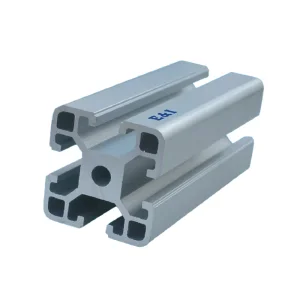
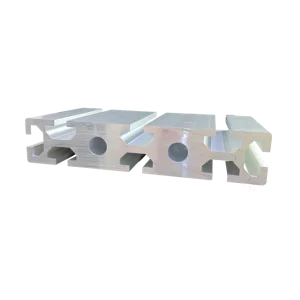
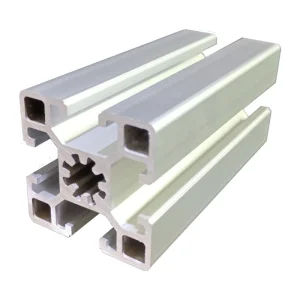
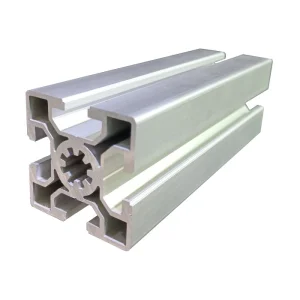
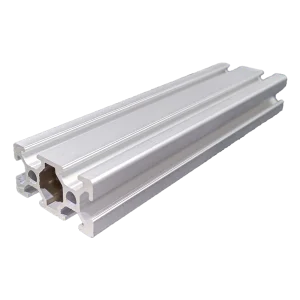
When engineering structural setups for heavy machinery or automated assembly lines, selecting the appropriate profile section prevents sag and dynamic failure. Standard profiles like the 2040 and 3060 configurations serve lightweight brackets and guarding panels. For structural uprights and primary frames supporting loads over 1,500 kg, the 100x100mm configuration provides the necessary resistance to bending and torsional forces.
The 100 Series features an optimized cross-section with an internal core thickness of up to 4.5mm. This design supports large structural bolts and high-torque mechanical connections, ensuring the frame remains stable under severe vibration and continuous shock loads. This level of durability is critical for mineral processing plants, port terminal conveyor belts, and agricultural sorting hubs in Nigeria.
Untreated aluminum alloys exposed to coastal humidity can develop surface pitting. To prevent this, E&I profiles undergo a controlled electrolytic anodizing process. This generates a hard aluminum oxide layer integrated with the base metal. For operations in West African coastal regions, we recommend an anodizing thickness of 15 to 20 microns to protect the profile from salt mist and industrial chemicals.
This surface treatment eliminates the need for painting, reducing long-term maintenance costs and keeping setups food-safe for pharmaceutical and beverage packaging facilities.
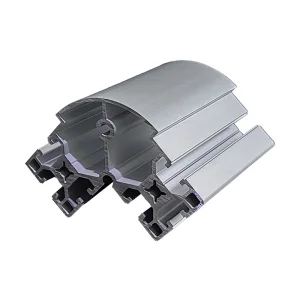
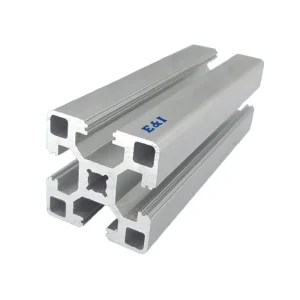
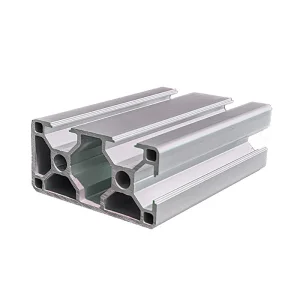
A full range of T-slot and modular aluminum profiles designed for versatile structural applications in West Africa.
Essential answers on engineering, logistics, and compliance for purchasing structural aluminum profiles in Nigeria.