Explore our high-performance structural profiles engineered for rapid assembly, high structural load capacities, and superior anodized finishes.
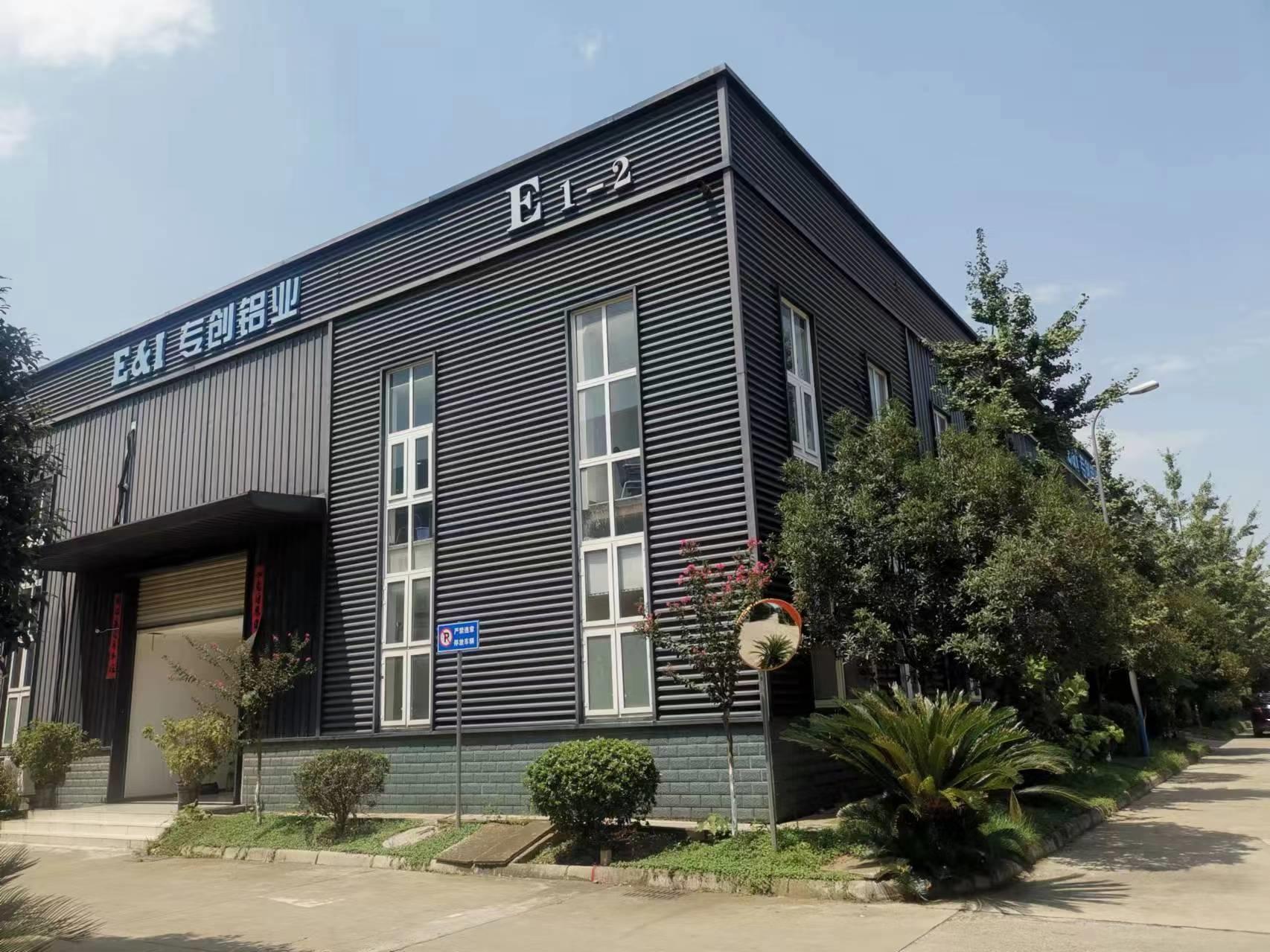
In the landscape of modern structural design, precision is non-negotiable. Whether engineering highly complex robotic cells, Cleanroom enclosures, or high-capacity logistics conveyor structures, the architectural corner profile represents the essential anchor of structural rigidity. Chengdu E&I Aluminum Industry Co., Ltd., in alignment with global quality specifications, offers direct-from-factory expertise that bridges the gap between raw extrusion and structural perfection.
At Chengdu E&I Aluminum Industry Co., Ltd., we execute our processes under the core directive of "people-oriented, quality value, technological innovation, and win-win cooperation." This strategic philosophy drives our state-of-the-art Research & Development laboratory to continually solve highly complex extrusion geometries.
By partnering strategically with The National Institute of Nonferrous Metals, the leading research authority in China’s light alloy industry, we maintain a dedicated technology group focused entirely on metallurgical refinement. We offer integrated services from engineering simulations to production scale-up of precision profiles, high-load castings, and critical structural forgings.
This technological pedigree enables us to design and deliver high-precision products utilized by Fortune Global 500 manufacturers. Our solutions serve the automotive assembly, aviation logistics, and precision automation industries worldwide.
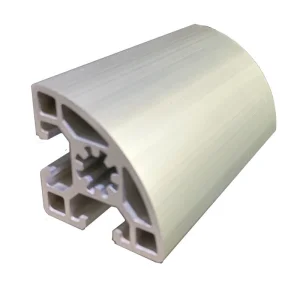
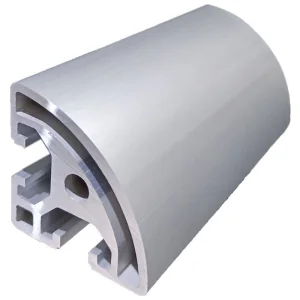
Standard linear profiles carry loads along their longitudinal axis efficiently. However, joint corners introduce combined bending, torsional, and shear stresses. Utilizing quarter-circle profiles like the E&I-10-4545R transitions stress lines smoothly across the outer boundary, preventing micro-fractures under high vibrational loads.
The surface finish of corner profiles must withstand chemical washes, friction, and environmental humidity. Chengdu E&I utilizes automated anodizing baths, maintaining a reliable coating thickness of 10 to 15 microns. This protective layer ensures long-term resistance to corrosion and oxidation.
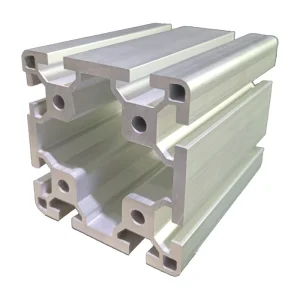
A key factor in corner profile integration is T-slot alignment. If slot widths drift by even 0.1mm, structural bolts (such as M8 type) can bind or slip under tension. Our production processes adhere strictly to high-precision tolerance limits to ensure secure and vibration-resistant connections.
| Alloy & Temper | Yield Strength (MPa) | Tensile Strength (MPa) | Elongation (%) | Primary Application Scenarios |
|---|---|---|---|---|
| 6063-T5 | 110 - 130 | 150 - 160 | 8 - 12 | Lightweight display cabinets, cleanroom framing, and office partitions. |
| 6063-T6 | 170 - 190 | 210 - 230 | 10 - 14 | Automated conveyor frames, industrial guards, and workshop workbenches. |
| 6061-T6 | 240 - 276 | 290 - 310 | 12 - 16 | High-load aerospace assembly lines and heavy-duty structural frames. |
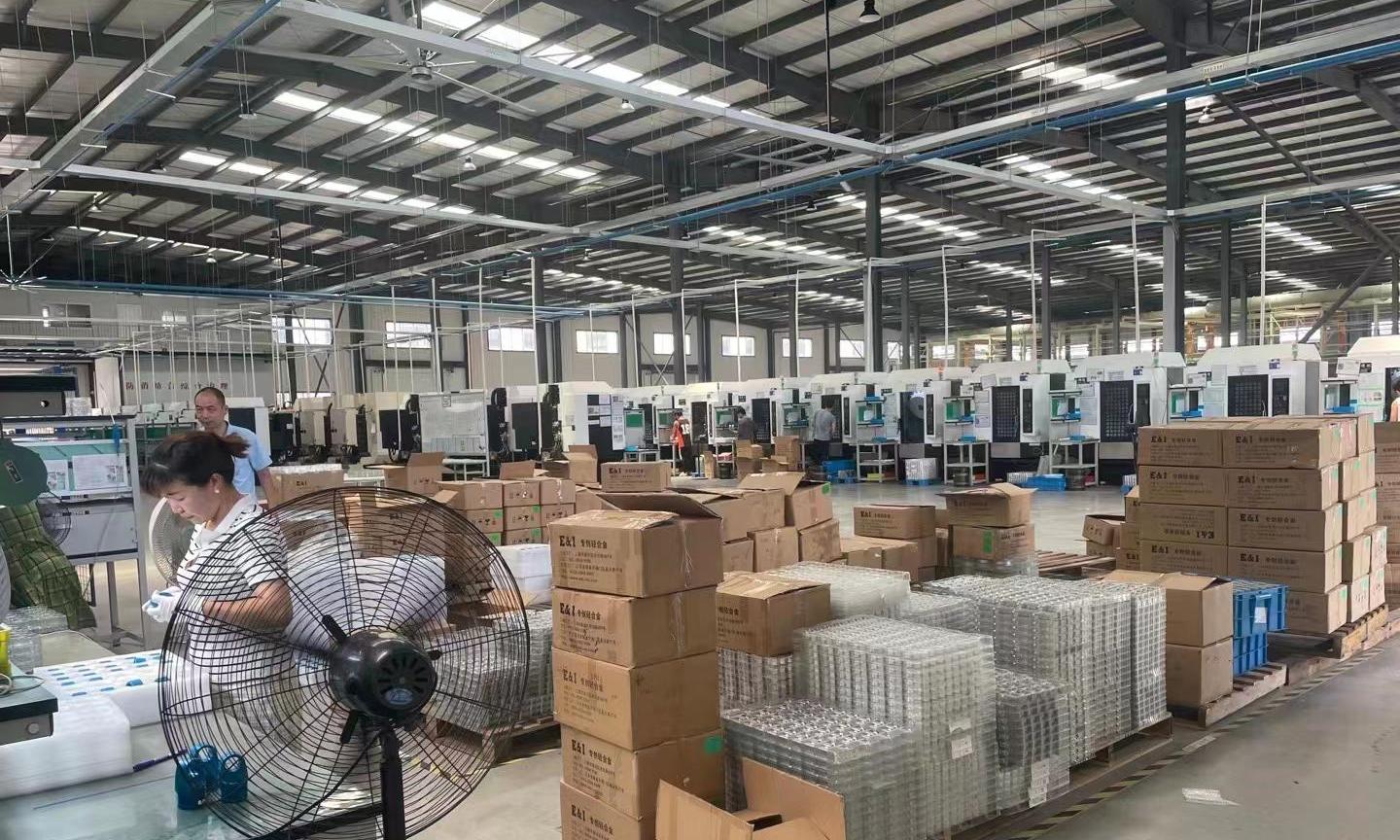
The concentration of refining facilities, casting plants, tooling specialists, and finishing operators in China creates an efficient production ecosystem. This proximity allows for rapid cycles from custom CAD drawings to physical structural components.
Chengdu E&I capitalizes on this infrastructure to manage costs and ensure quality control throughout the manufacturing lifecycle. By maintaining full oversight of extrusion, heat treatment, and surface finishing, we offer high-grade structural extrusions with consistent quality.
Our facility provides a complete one-stop service, encompassing frame design, extrusion, automated anodizing, custom powder coating, and final delivery prep. This vertically integrated process helps minimize logistics delays and quality issues.
Procuring structural components on a global scale requires strict compliance verification, robust tariff planning, and reliable logistical coordination.
Every batch of raw aluminum billet undergoes spectrometer testing to verify alloy compositions. Material test reports (MTR) can be provided upon request to document traceability from primary smelting through to final extrusion.
We assist overseas procurement teams with shipping documents, tariff classifications, and custom packing declarations to help streamline customs clearance and clarify duty rates.
Our manufacturing processes conform to ISO 9001 quality systems. All surface treatment options are RoHS and REACH compliant, preventing the release of heavy metals or harmful substances.
We complement our manufacturing operations with technical integration services to simplify deployment across international markets.
We offer native 3D files (such as STEP, IGES, and DWG) to simplify the process of importing profiles directly into your CAD design layouts.
For larger assemblies, we can pre-build sub-structures before shipment, reducing on-site installation time and labor costs.
Our in-house technical team can run deflection calculations on your frame design, helping optimize profile selection and load limits.
We bundle shipments with matching metric or imperial hardware, including brackets, T-nuts, and bolts, to streamline final assembly.
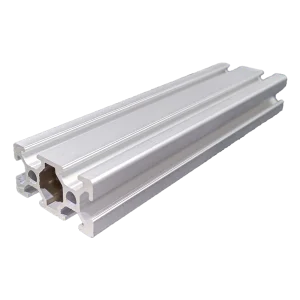
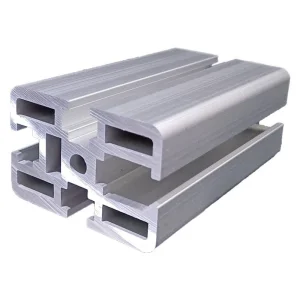
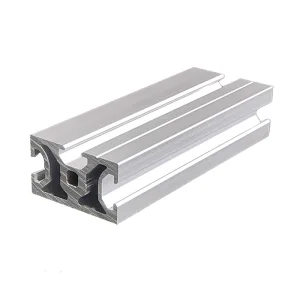
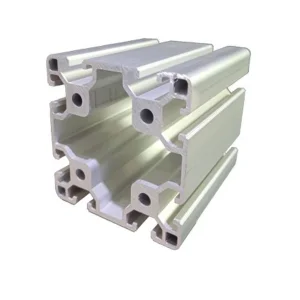
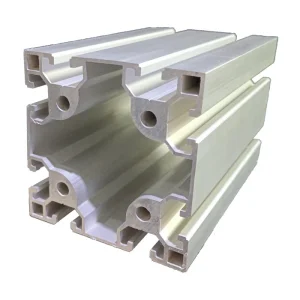
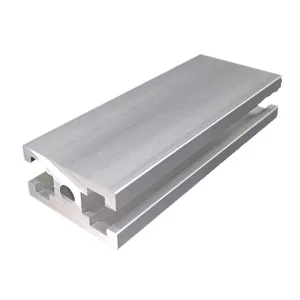
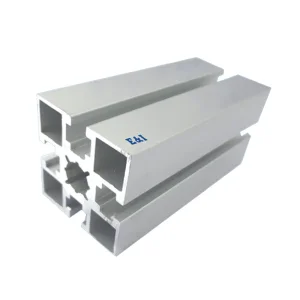
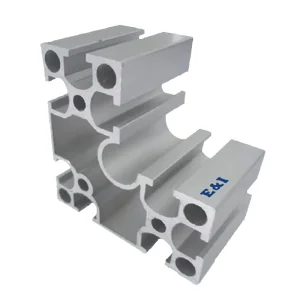
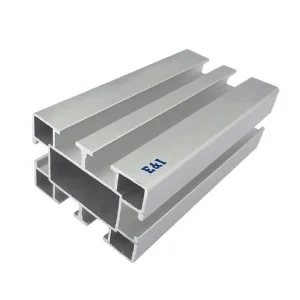
Modern automation lines rely on lightweight, rigid frameworks. The ENI-6-2040 and ENI-8-4080GF provide the necessary structural strength for sensor arrays, mechanical gantries, and dynamic conveyor assemblies.
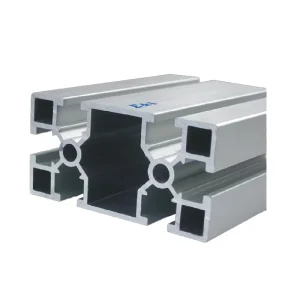
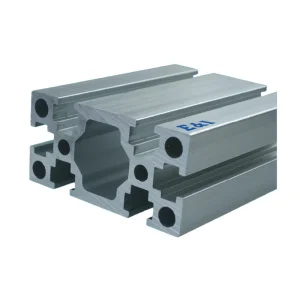
Workplace safety systems require secure, durable physical barriers. Heavy-duty designs using the E&I-8-4060 create robust machine guards and protective covers for electromechanical equipment.
In semiconductor fabrication and pharmaceutical packaging, dust collection must be minimized. The smooth exterior of the E&I-10-4545R quarter-circle profile prevents particulate accumulation and simplifies sanitization.
The global structural extrusion industry is transitioning toward eco-responsible manufacturing practices. As international buyers evaluate carbon footprints across their supply chains, low-carbon billet selection and recycling systems are becoming industry standards.
Chengdu E&I actively integrates recycled and low-emission primary aluminum alloys into its processes. Additionally, our R&D team is developing thinner-walled, high-strength profile geometries that reduce material usage while maintaining structural integrity.
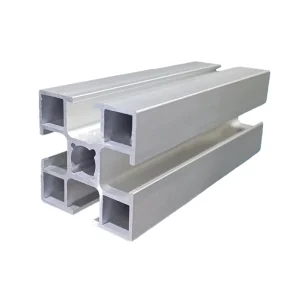
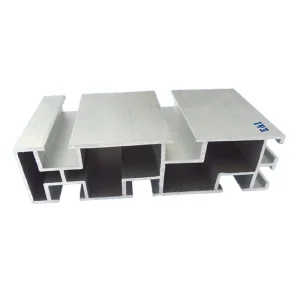
Our heavy-duty, multi-groove, and specialty corner profiles are engineered for industrial frameworks, machine framing, and high-load supports.