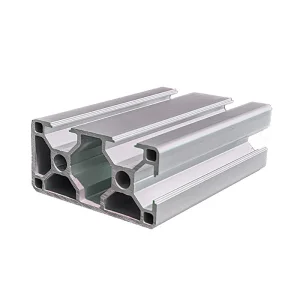
Explore our precision-engineered industrial aluminium profiles. Our products comply with national high-precision requirements, ensuring robust load-bearing capacities, elegant anodized finishes, and modular structural compatibility.
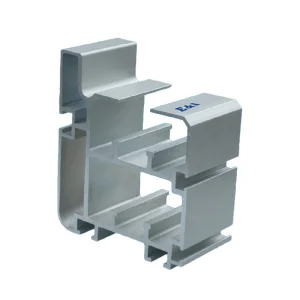
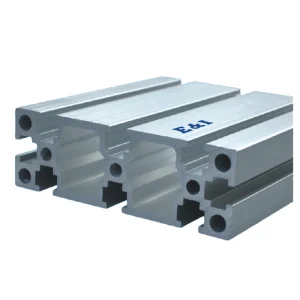
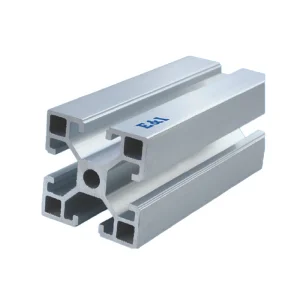
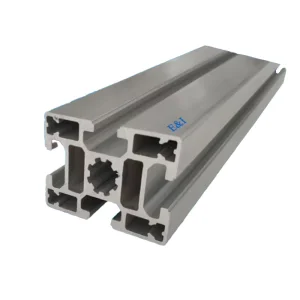
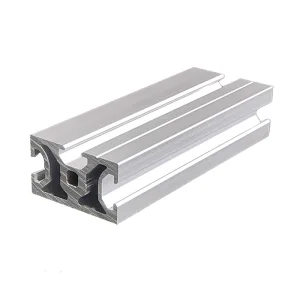
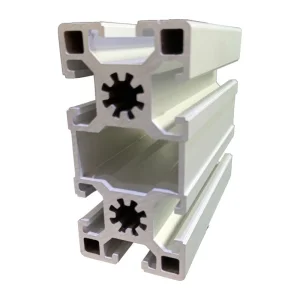
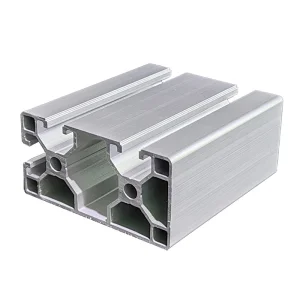
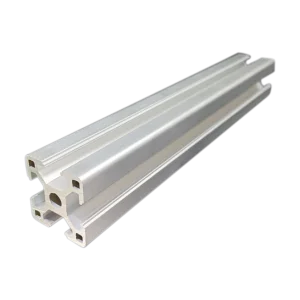
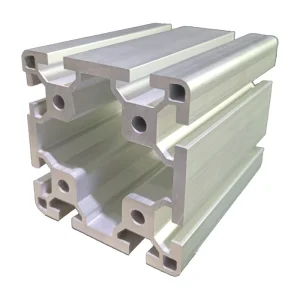
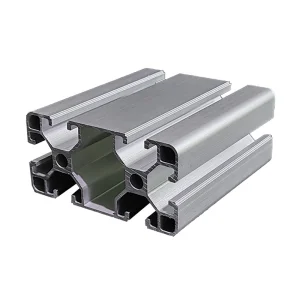
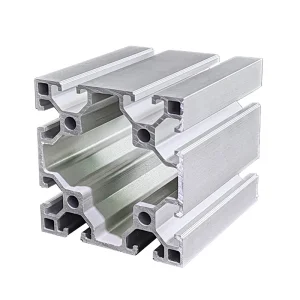
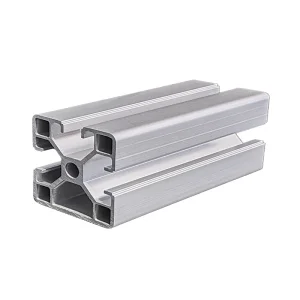
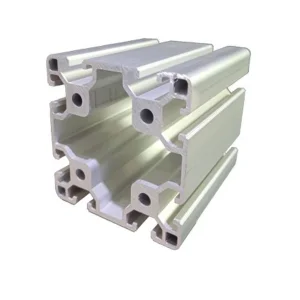
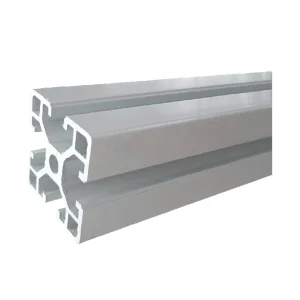
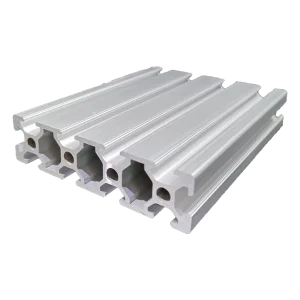
The term Aluminium Profile 40 refers to the globally standard 40mm core dimension (most commonly 40mm x 40mm, 40mm x 80mm, or similar modular profiles with 8mm slot width). This structural standard has become the fundamental building block of modern industrial automation, automotive assembly lines, robotic enclosures, cleanroom partitions, and commercial structures.
Global manufacturers are shifting away from traditional welded steel frames toward T-slot profile systems. The 40 series, featuring an 8mm T-slot, allows rapid adjustments, zero hot-work permits, and modular reuse across assembly layouts, directly reducing life-cycle costs by up to 35%.
By blending Silicon and Magnesium, structural alloys such as 6063-T5 and 6061-T6 provide high strength-to-weight ratios. Industrial systems require profiles that resist mechanical deflection under dynamic loads, crucial for automated CNC and high-speed linear gantry layouts.
With the rise of semiconductor gigafab production, cleanrooms demand non-outgassing structural frames. Anodized 4040 and 4080 extrusion series feature smooth, sealed surfaces that prevent particulate collection and survive aggressive chemical sanitation protocols.
Modern procurement directors require more than just low-cost extrusion. They seek vertical integration, traceability, and supply chain security. Chengdu E&I Aluminum Industry Co., Ltd. operates at the vanguard of the China Factory 4.0 revolution, combining automated CAD/CAM custom die creation, precise metallurgical analysis, and multi-stage finish lines.
Through our close affiliation with the Chinese Light Alloy Industry's National Institute of Nonferrous Metals, we develop and manufacture high-precision, highly challenging profiles that perform flawlessly in harsh industrial environments. Our state-of-the-art facility integrates automated anodizing, powder coating, and ultra-fine tolerance CNC milling lines, allowing us to supply complex, post-machined profiles directly to assembly floors globally.
Trusted by leading automotive OEMs and aerospace tier-1 suppliers.
All industrial extrusions meet national high-precision requirements.
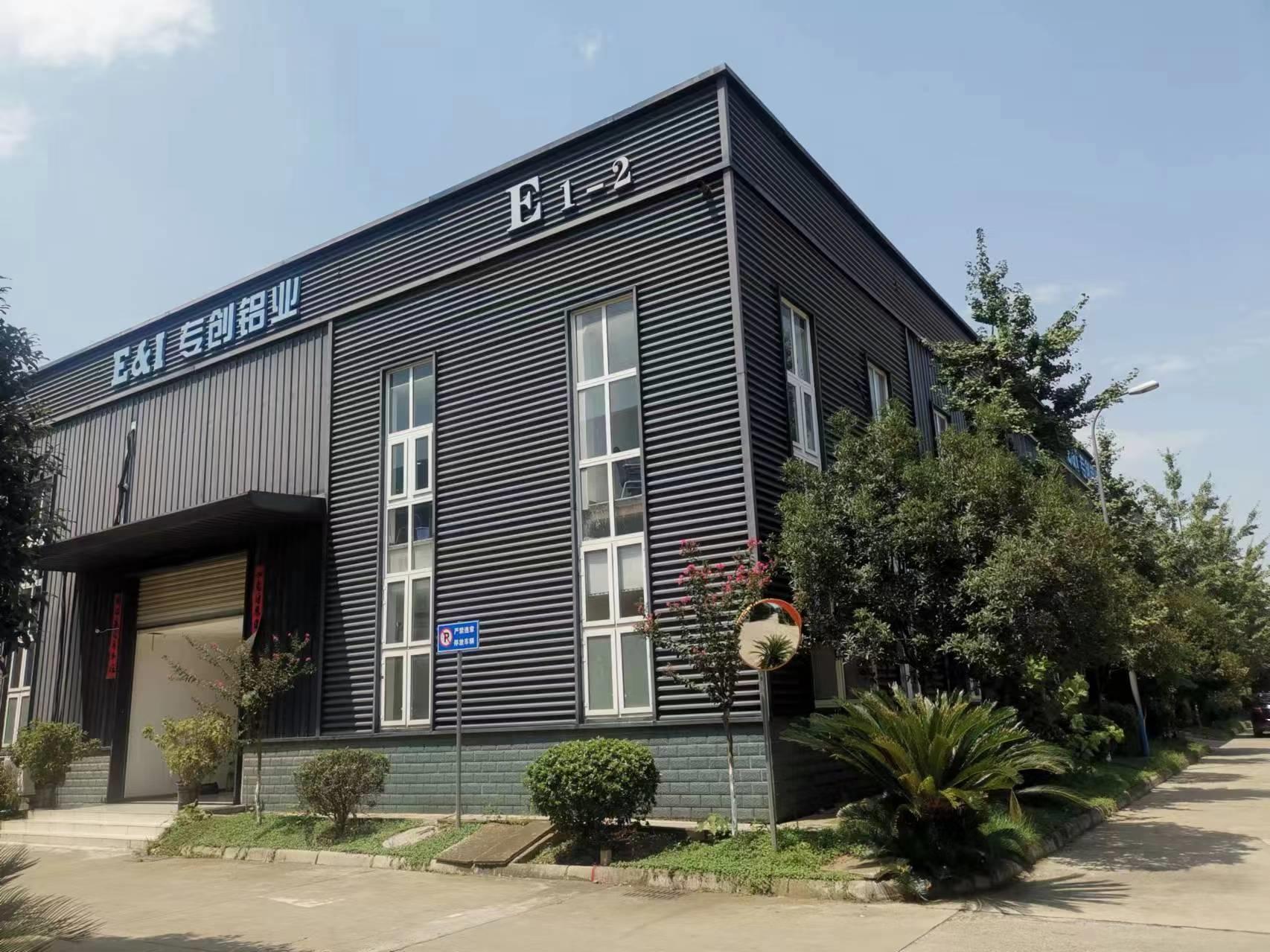
When high-volume global buyers seek an Aluminium Profile 40 Factory, their selection criteria extend beyond simple price per kilogram. Based on Google's Search Quality Guidelines, establishing high E-E-A-T (Experience, Expertise, Authoritativeness, and Trustworthiness) is essential. Below are the key metrics that distinguish global tier-1 factories:
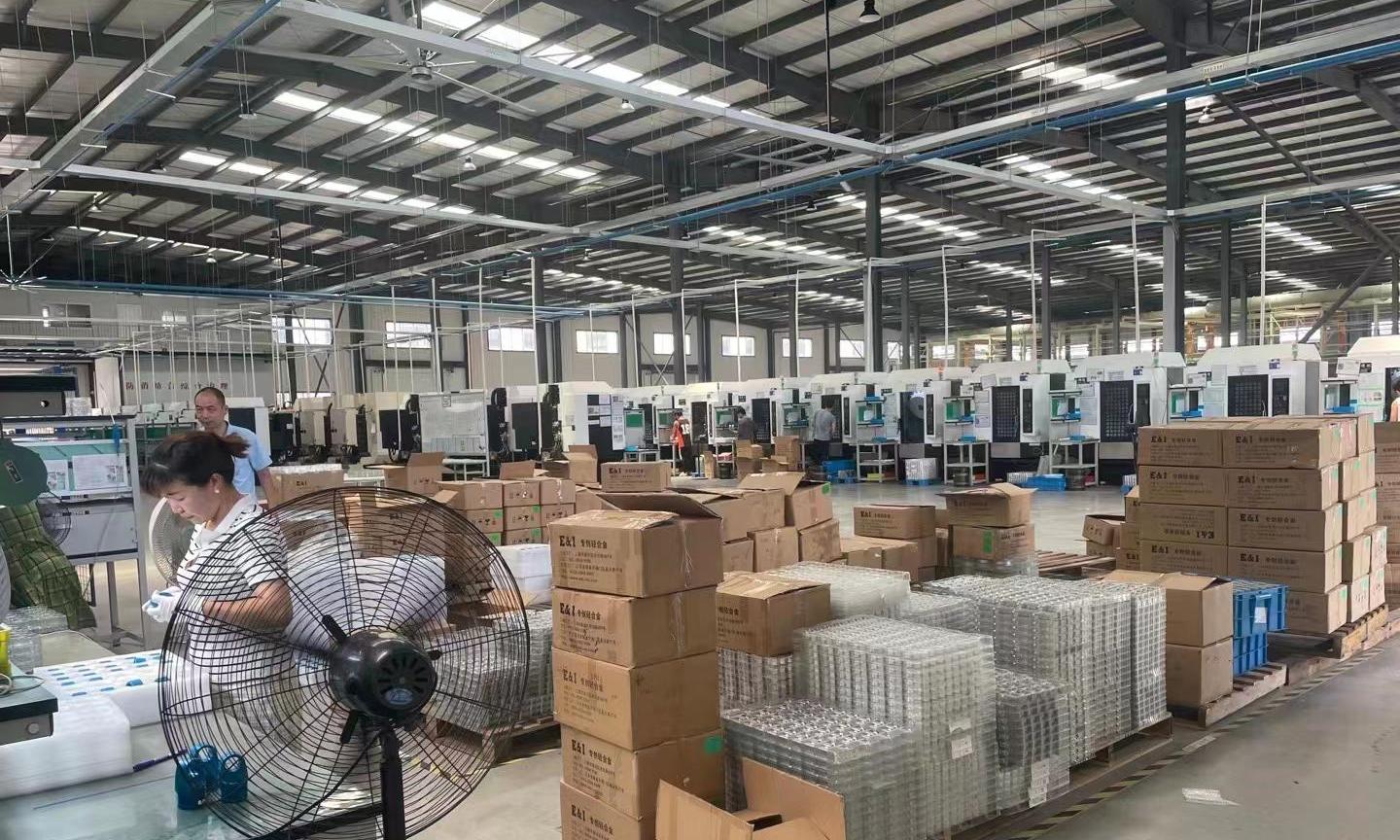
Precision and Tolerances: Structural frameworks for precision equipment demand profiles with straightness deviations under 0.3mm per meter and twist tolerances strictly conforming to GB/T 14846-2014 standards.
Anodic Film Depth: Standard industrial applications require an anodized layer depth exceeding 10μm. Severe outdoor or saline environments require 15-25μm layers to prevent pitting corrosion and structural decay over decades of operational service.
Joint Strength & Anti-Vibration: Advanced profile slots must be designed to withstand high torque values. Specialized accessories, including self-tapping hammer screws, internal bracket joints, and spring fasteners, must keep connections rigid under high vibrational forces.
Aligned with our core operating philosophy of "People-oriented, Quality Value, Technological Innovation, and Win-win Cooperation", we focus on the research, development, and high-volume manufacture of premium aluminium alloy profiles, castings, and forgings. Our technological depth is supported by a dedicated team of engineers, developing optimized industrial structures for global corporations, including automotive developers, semiconductor manufacturers, and aerospace firms.
We treat our employees as our greatest wealth. By understanding their aspirations, we provide them with continuous professional development and safe working environments, growing together as one cohesive engineering team.
For us, quality is not a parameter—it is our core value. We supply industrial components that ensure safety, long-term alignment, and structural stability, creating measurable commercial returns for our clients.
We continuously invest in R&D to maintain our competitive edge. Our innovative processes integrate product, design, and manufacturing systems, producing lightweight yet high-strength profiles for advanced industries.
Our goal is to rank among the top three leaders in the Chinese aluminium alloy industry in product competitiveness, design innovation, and technical expertise. We aim to deliver exceptional value to our customers, shareholders, partners, and society, driving mutual growth and industrial progress.
Aluminium Profile 40 is highly versatile, providing essential structural support across key industrial applications:
Using profiles like our 2.5 times chain profiles, factories build precision transport lines. These extrusions accommodate high-speed conveyor belts and sensors, providing stable structural bases for delicate electronic manufacturing.
Combining the light weight of the ENI-8-4040GG profile with modular accessories allows for the rapid construction of high-strength stair treads, custom access platforms, and mobile material carts for factory floors.
Utilizing high-strength configurations, such as the E&I-8-4040W anodized structure, engineers assemble modular machinery guardrails, robotic weld enclosures, and protective fencing to isolate moving equipment and keep technicians safe.
Review technical answers about Aluminium Profile 40 selection, physical properties, and production methods.
View our additional structural profile options, developed to meet specific engineering challenges and customization demands.