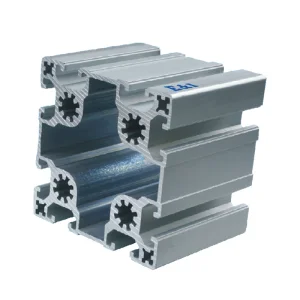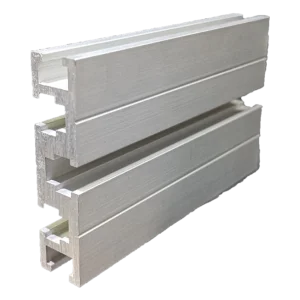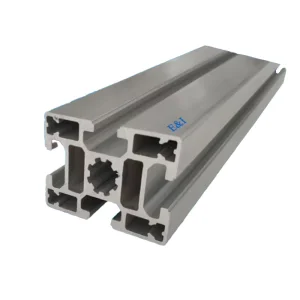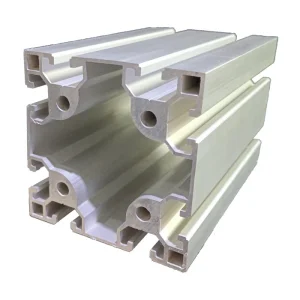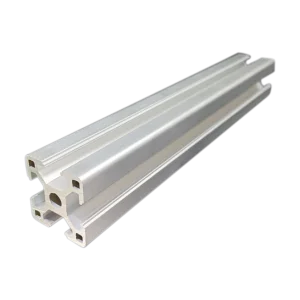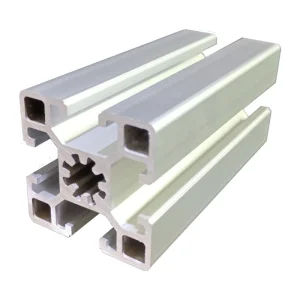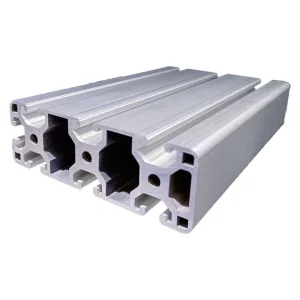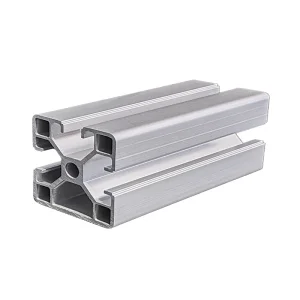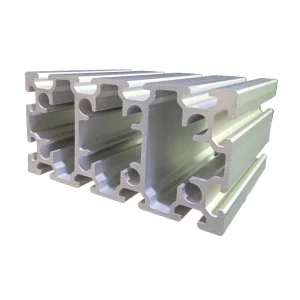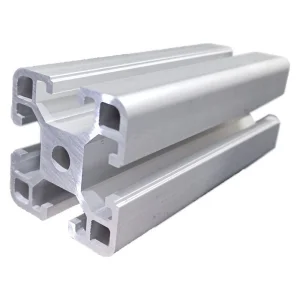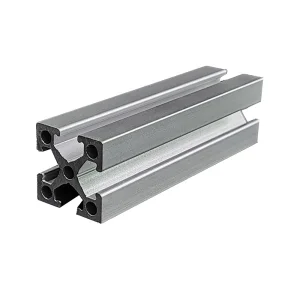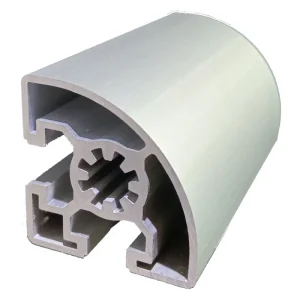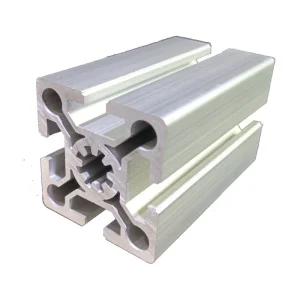
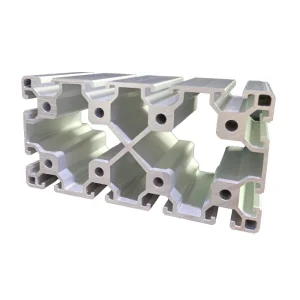
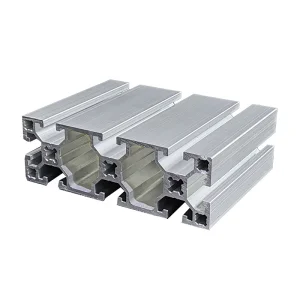
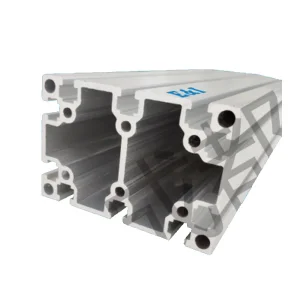
The global demand for structural aluminum profiles—including L-shaped angles, T-slot tracks, and custom heavy-duty frameworks—has experienced a structural shift. Historically regarded as simple metallic support components, aluminum extrusions are now core elements of advanced mechanical engineering, electric vehicle (EV) chassis architectures, solar energy arrays, and smart automation modules. This development is largely driven by their outstanding strength-to-weight ratio, high recyclability, and ease of machining.
In modern industrial setups, Angle Aluminium Extrusion systems serve as the critical junctions. They offer localized reinforcement, accurate alignment, and structural support where loads are concentrated. The demand is particularly high in the European and North American automation sectors, where factories rely heavily on modular frame systems to construct flexible assembly lines. By using structural aluminum profiles, plants can bypass traditional steel welding, reducing setup times and ensuring rust-free performance under cleanroom conditions.
Replaces heavy steel frames with 6000-series structural alloys, cutting shipping and installation costs by up to 60% while maintaining equivalent load limits.
E&I profiles are extruded under tight tolerances (exceeding standard DIN EN 755 rules) to ensure perfect matching with various fasteners and brackets.
High-thickness oxide finishes protect profiles against chemical corrosion, moisture, and wear, making them ideal for laboratories and offshore environments.
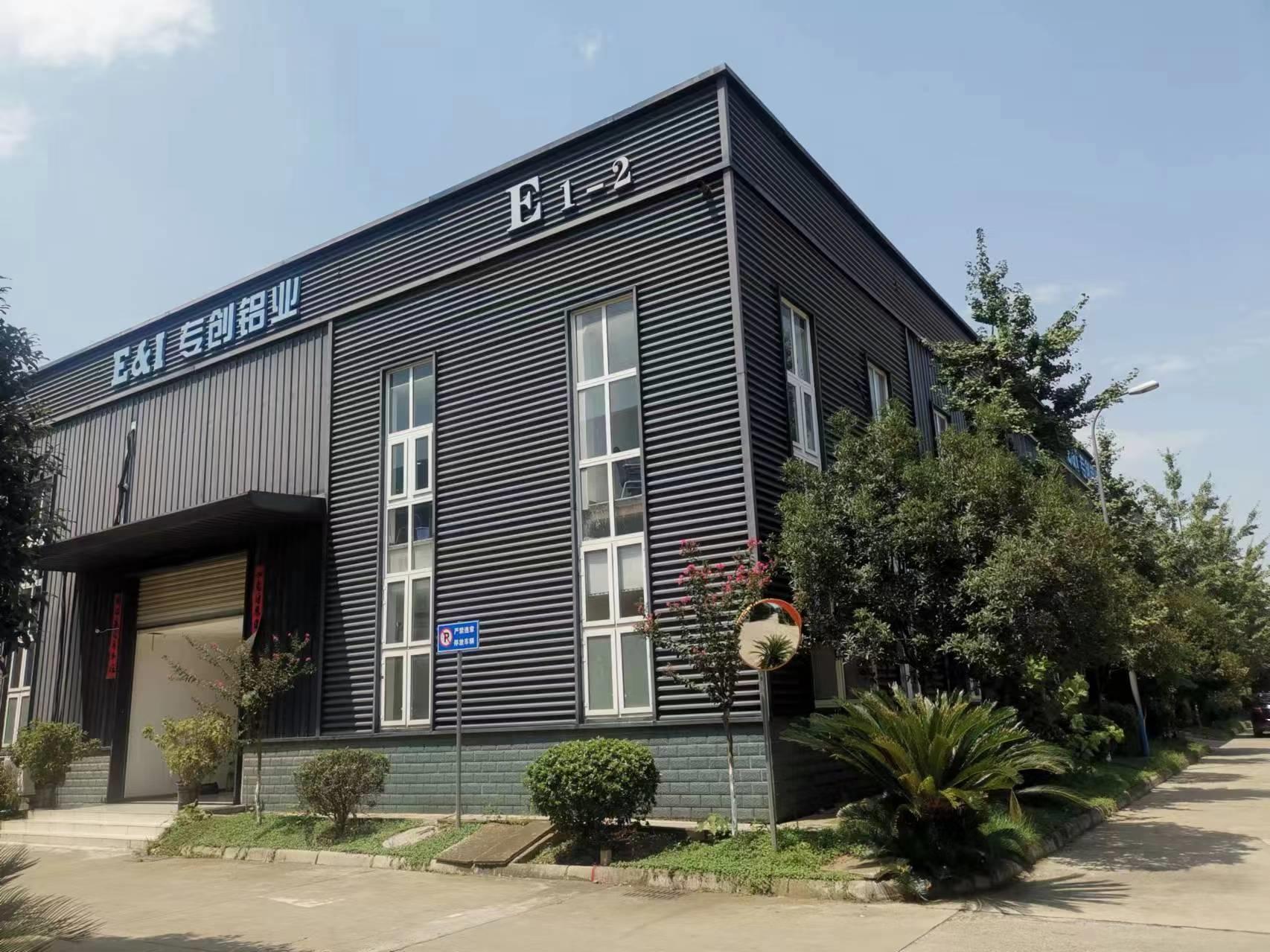
Guided by our founding philosophy—"people-oriented, quality value, technological innovation, and win-win cooperation"—Chengdu E&I Aluminum Industry Co., Ltd. is a leading manufacturer specializing in high-difficulty, high-precision, and highly customized structural aluminum profiles. Based in Southwest China, our facility supplies international markets with heavy-duty structural frames, modular clean shed profiles, and precise corner connectors.
Our competitive advantage comes from a close collaboration with The National Institute of Nonferrous Metals. By partnering with leading light alloy researchers in China, our team continually improves the metallurgy and structural limits of our extruded profiles. This ensures that our 6000-series and custom alloy runs perform reliably in aerospace and automotive applications, meeting the quality demands of top-tier global manufacturers.
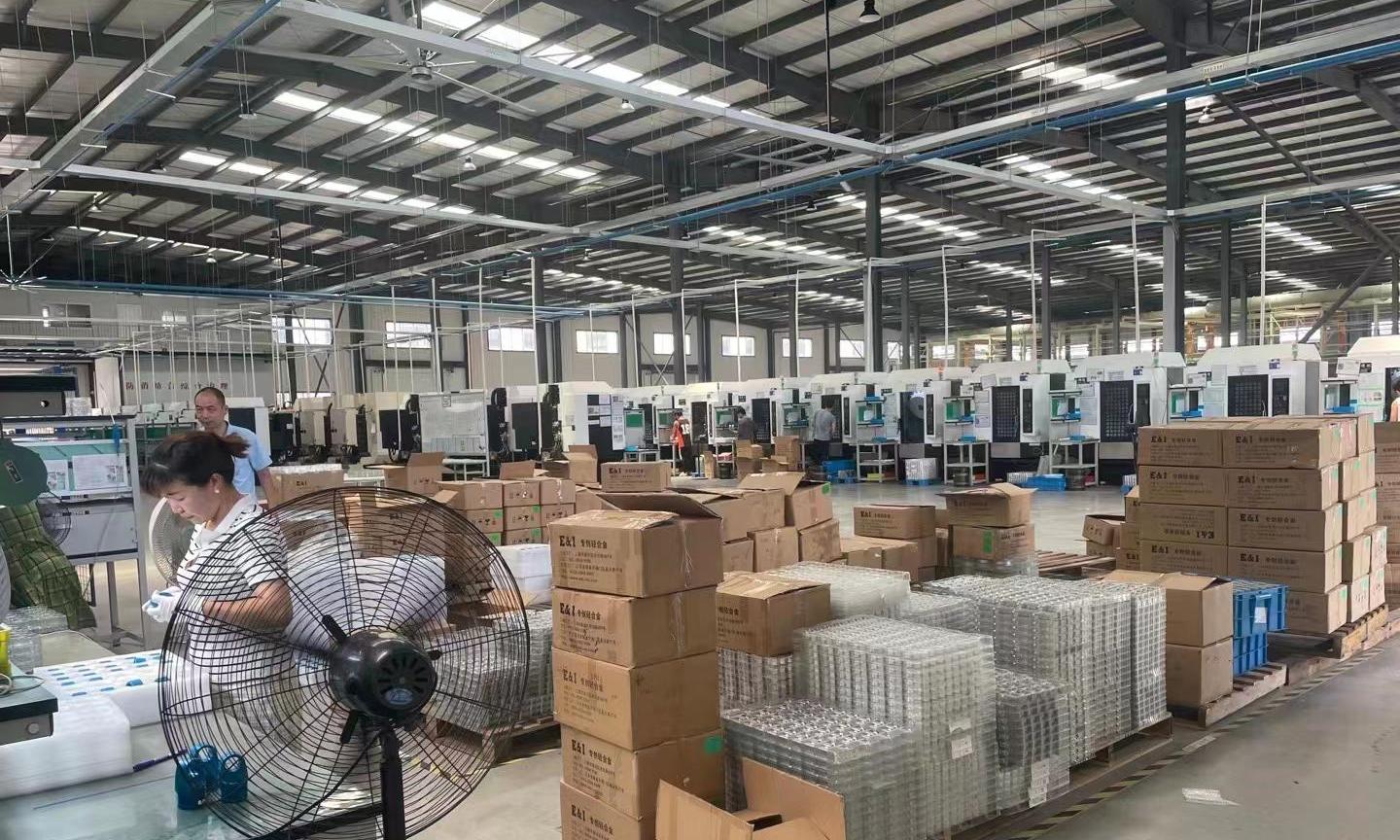
From initial structural modeling and die design to extrusion, thermal hardening, and advanced anodizing, we offer a comprehensive, one-stop manufacturing process. We help companies reduce lead times and avoid integration issues by ensuring that profiles, brackets, and fastening systems fit together perfectly.
Selecting the right alloy grade is crucial for structural performance. At Chengdu E&I, we offer a range of aluminum formulas designed for specific industrial environments. Below is a reference of our core alloy series and their primary applications:
| Alloy Grade | Temper Designations | Primary Mechanical Characteristics | Typical Industrial Use Cases |
|---|---|---|---|
| 6063 | T5 / T6 | High surface quality, excellent corrosion resistance, moderate strength. | Standard T-slot frames, modular workstations, and laboratory clean sheds. |
| 6061 | T6 | Higher tensile strength, superior structural load capacities, good weldability. | Heavy-duty machine bases, structural trusses, and automation frames. |
| 6082 | T6 | Excellent resistance to stress corrosion, high mechanical load capacity. | Marine structural components, transport cranes, and industrial scaffolding. |
| 7075 | T651 | Ultra-high strength comparable to steel, excellent fatigue resistance. | Aerospace structural brackets and precision automotive suspension assemblies. |
The durability of our structural profiles relies on advanced surface finishes. Standard mill-finished aluminum is vulnerable to galvanic corrosion and mechanical wear when exposed to active industrial environments. To prevent this, Chengdu E&I utilizes automated anodizing and powder-coating lines. Our primary finishes include:
Chengdu E&I structural profiles are utilized in high-demand industrial sectors worldwide:
Global automotive factories integrate our structural aluminum profiles into automated welding lines and assembly stations. The material's lightweight nature reduces structural inertia in dynamic components, helping to lower energy consumption and wear on robotic actuators.
For electronics manufacturing and pharmaceutical testing, standard steel profiles pose contamination risks from paint chipping and rust. Our anodized aluminum profiles, such as the ENI-6-6090 series, feature smooth, non-porous surfaces that are easy to clean and sanitize. This makes them ideal for building ISO-certified laboratory clean sheds and protective booths.
For outdoor solar installations, structural components must withstand wind loads and thermal expansion over decades of exposure. E&I solar brackets are engineered with specialized cross-sections to distribute stress evenly, ensuring long-term structural integrity and reducing maintenance costs.
As manufacturing demands evolve, the extrusion industry is shifting toward greener, smarter processes. Chengdu E&I is actively adapting to these changes through a clear development roadmap:
Reducing carbon footprints by incorporating post-consumer scrap into our billet supply chain without compromising structural properties.
Integrating real-time thermal cameras and AI modeling to adjust extrusion speeds on the fly, preventing surface tears and internal stress defects.
Developing new dies to produce profiles with wall thicknesses under 1.0mm that still deliver high torsional resistance, helping to reduce weight in electric vehicles.
By investing in these advanced processes, Chengdu E&I ensures that we can meet the strict weight, strength, and environmental standards of modern manufacturing. We work closely with our partners to design custom profiles that optimize material use and improve overall system efficiency.