Analyzing advanced structural engineering design, torsional rigidity compliance, and supply chain logistics for B2B procurement professionals.
45-degree angle profile configurations and structural fillets evenly distribute multi-axial forces, shifting stress from joints to structural columns to mitigate frame deformation.
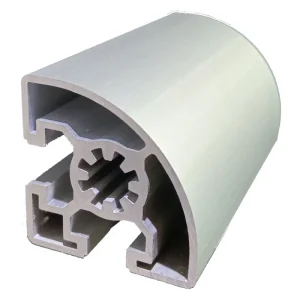
Beveled and quarter-round structures reduce wind resistance in high-speed cleanroom systems, eliminate sharp edges in high-traffic corridors, and streamline automated line integration.
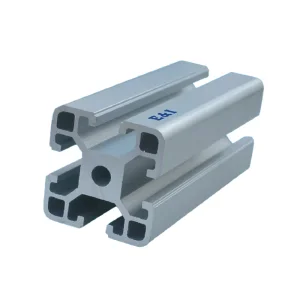
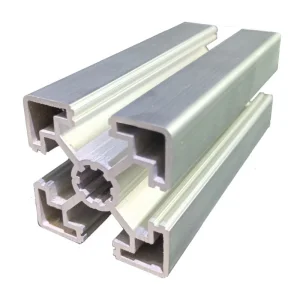
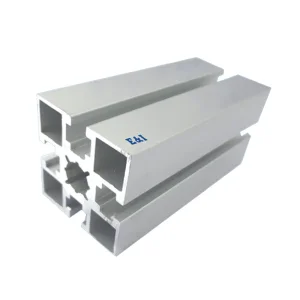
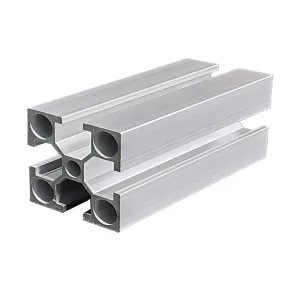
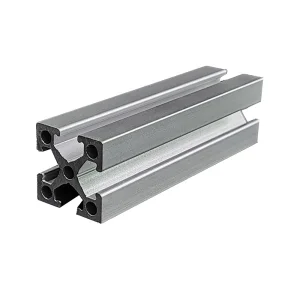
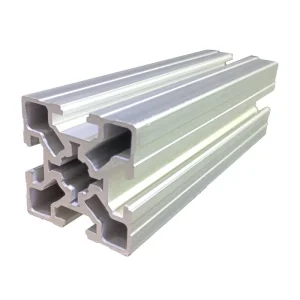
Features standardized T-slot designs compatible with global fastener standards. Simplifies frame configuration changes without the need for welding, which can compromise heat-treatment tempers.
Industrial structural assemblies are increasingly shifting from welded mild steel to lightweight, high-performance extruded aluminum. Standard structural frames require high torsional rigidity, specific moment of inertia thresholds, and reliable corrosion protection. Utilizing 45-degree (quarter-circle, beveled, or custom angle) extrusion profiles addresses these requirements.
These specialized profiles, optimized by leading producers like Chengdu E&I Aluminum Industry Co., Ltd., provide the necessary geometric moments of inertia to resist bending. When used in automated assembly systems, cleanrooms, and robotic guardings, they minimize deflection and reduce overall system weight, improving conveyor line performance.
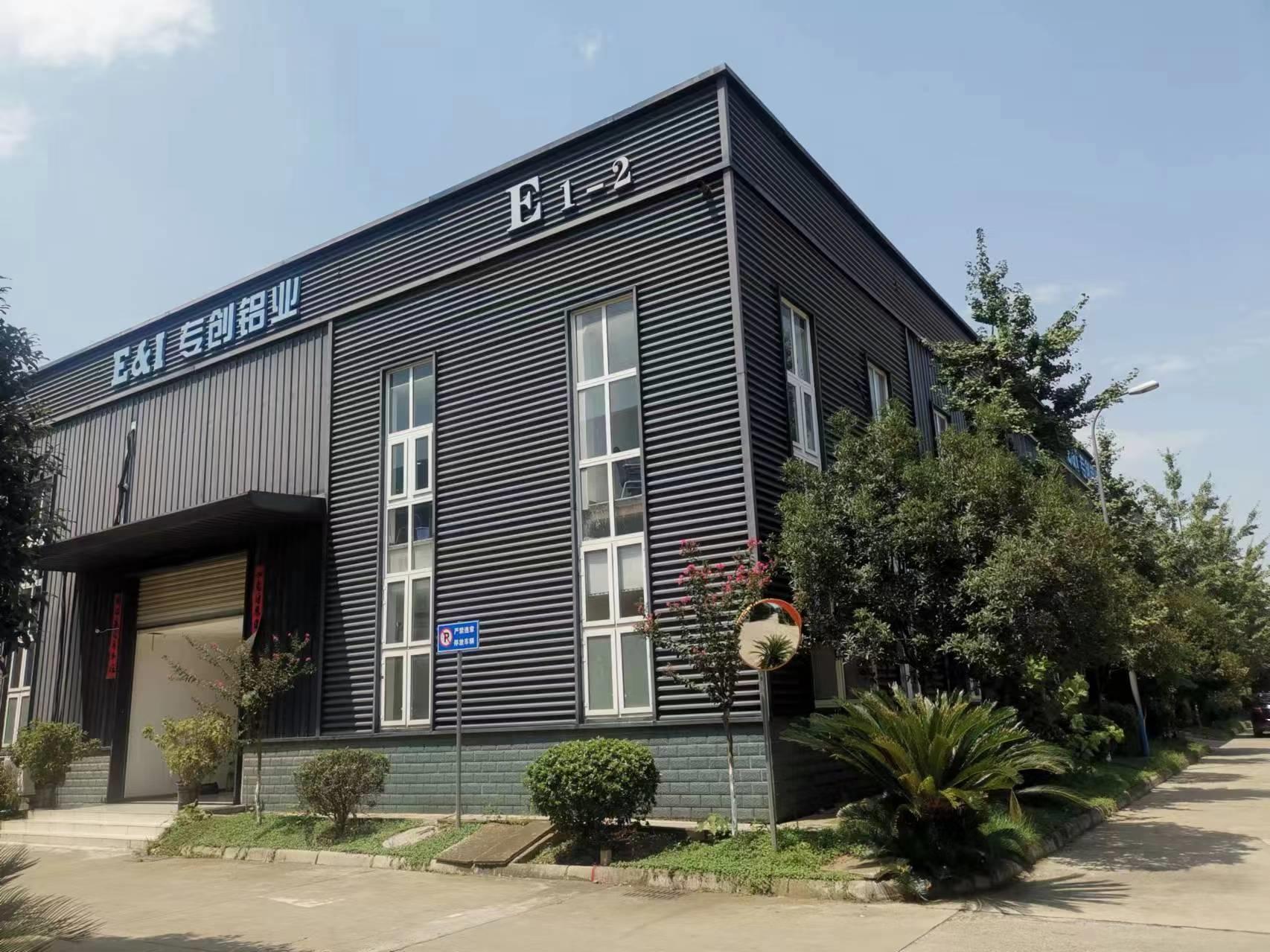
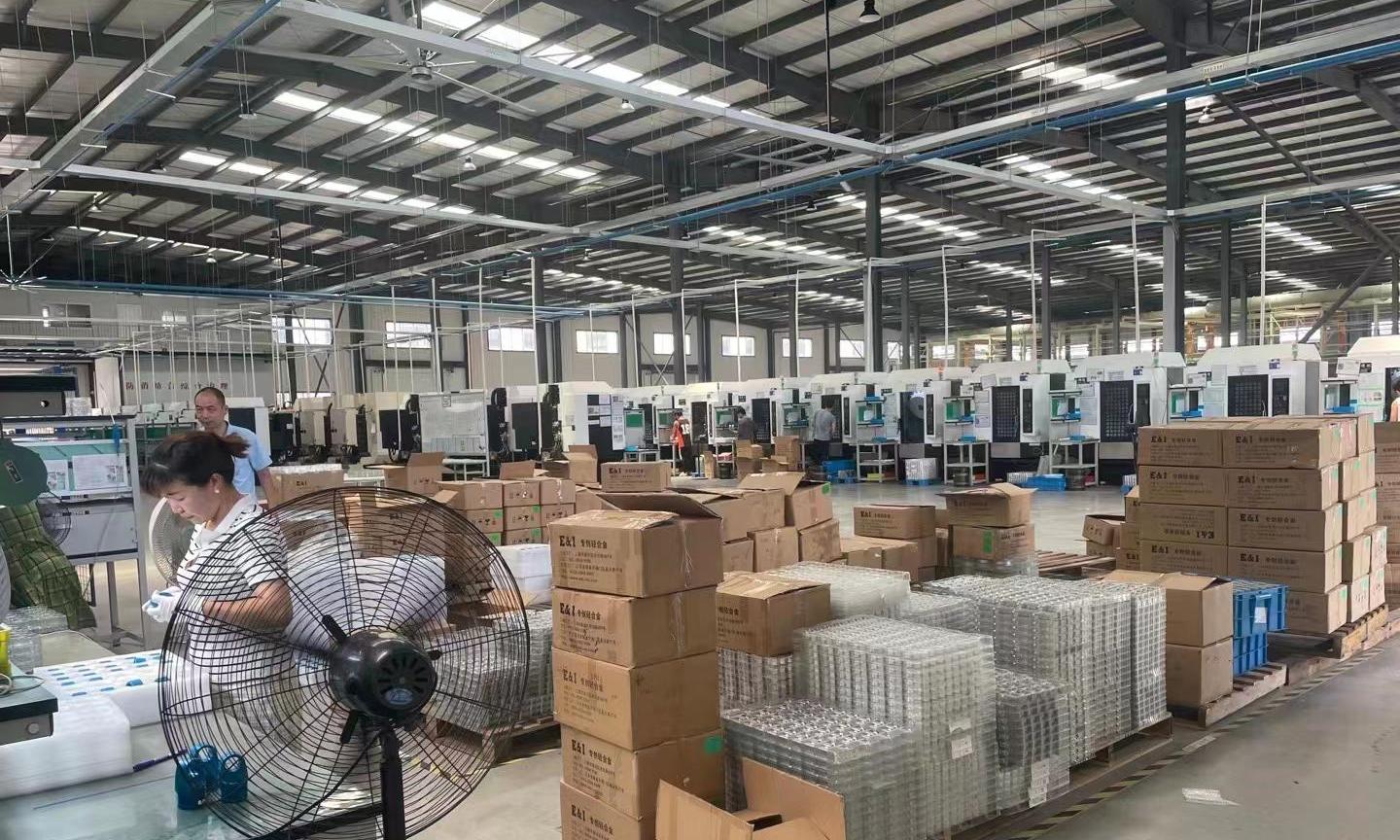
Guided by our core principles of "people-oriented, quality value, technological innovation, and win-win cooperation," Chengdu E&I Aluminum Industry Co., Ltd. specializes in the engineering, R&D, and precision extrusion of challenging, high-tolerance aluminum alloy profiles.
Collaborating with the National Institute of Nonferrous Metals, we utilize light-alloy metallurgy expertise to deliver comprehensive structural solutions, including custom extrusions, castings, and forged assemblies. Our production and inspection systems help ensure consistent quality, allowing us to serve global enterprises in automotive manufacturing, aerospace logistics, and heavy industrial automation.
Our comprehensive production facility features automatic extrusion presses, continuous anodizing lines, powder-coating units, and CNC machining centers. This configuration allows us to offer integrated design, fabrication, surface finishing, and assembly for structural frames, cleanroom enclosures, solar brackets, and material handling systems.
National R&D Competitiveness
High-Grade Alloy Quality
GB/T 5237 High-Precision Standards
Global Industrial Partners
How global industries utilize specialized 45-degree and structural aluminum profiles to improve operational efficiency and mechanical performance.
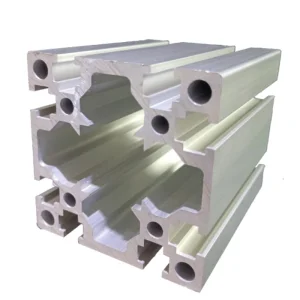
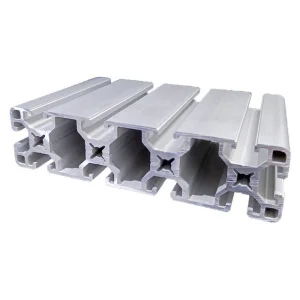
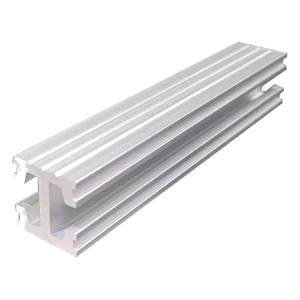
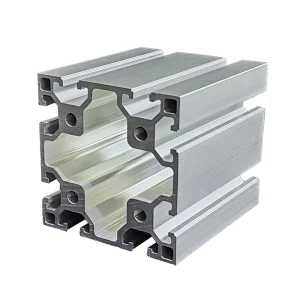
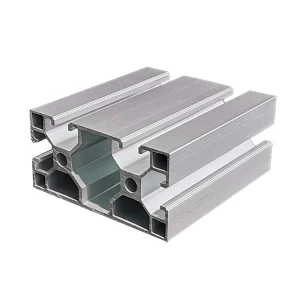
Modern logistics lines, including 2.5x chain-driven conveyor systems and automated assembly operations, use profiles like the ENI-6-1818 and E&I-8-50100 to construct lightweight, rigid frameworks. The anodized surfaces of these profiles reduce friction and wear during continuous operations.
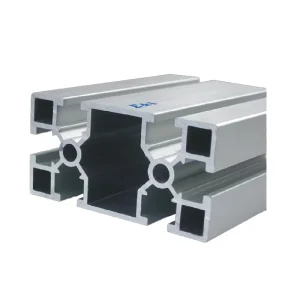
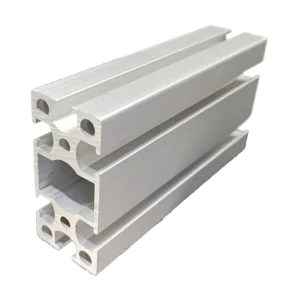
Automobile repair shops and aerospace maintenance crews require high-load storage racks and specialized support frames. Utilizing profiles like the ENI-8-40160B or ENI-8-5050A as structural columns ensures load-bearing stability and provides resistance to bending under variable loads.
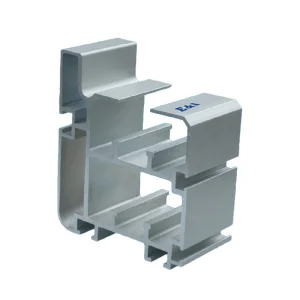
Quarter-round profiles like the E&I-10-4545RQ are well-suited for cleanroom structures. Their curved outer design prevents dust accumulation, simplifies cleaning procedures, and reduces aerodynamic turbulence in laminar flow ventilation setups.
A closer look at the alloy chemistry, tempering processes, and geometry options that define E&I’s structural aluminum profiles.
Our standard profiles utilize 6063-T5/T6 and 6061-T6 aluminum alloys. Aluminum 6063 provides a balance of extrusion responsiveness and surface finish quality, making it suitable for standard structural frames. For high-stress applications, 6061-T6 offers higher yield strength and shear resistance, making it appropriate for heavy-duty load-bearing assemblies.
Our metallurgical engineering processes target precise ratios of silicon (Si) and magnesium (Mg) to optimize precipitation hardening during heat treatment. This control helps prevent micro-cracking and maintains consistent grain structures along the length of the profile.
Industrial frames rely on precise dimensions to ensure square joints and prevent structural misalignment. Our extrusions are manufactured to high-precision tolerances that meet or exceed standard requirements, minimizing twisting and straightness deviations.
We offer several surface finishes, including clear acid anodizing, satin finishes, and multi-color powder coatings. These treatments provide surface protection (up to 120-mesh sandblasting preparation) that resists abrasion and chemicals in challenging factory environments.
International procurement departments face several challenges when sourcing aluminum profiles, including material verification, supply continuity, and compliance with standards such as ASTM, EN, and GB.
At Chengdu E&I, we address these concerns through structured quality control and transparent material tracking. Each production lot undergoes mechanical and chemical testing, and we provide material test reports (MTR) upon request. We coordinate shipping logistics with international carriers to ensure timely delivery of custom and standard profile components.
Additionally, our support services assist clients throughout the design process, offering CAD optimization to verify structural load capacity and fitment prior to extrusion production.
Our manufacturing practices prioritize resource efficiency. We utilize energy-efficient extrusion lines and recycle aluminum scrap to reduce waste and lower the environmental impact of our operations.
Answers to common questions regarding structural engineering, profile selection, and custom fabrication options.
A: 45-degree beveled and quarter-round profiles (like the 4545RQ series) are designed to distribute loads across an angled cross-section. While their moment of inertia (Ix, Iy) is comparable to standard square profiles of similar weight, the beveled shape helps reduce torsional stress concentrations at 90-degree outer corners, improving the overall stability of the frame under dynamic loads.
A: Anodizing converts the aluminum surface into a hard aluminum oxide layer. For standard indoor frameworks, an anodized layer thickness of 10-12µm is sufficient. For automated assembly lines, conveyor tracks (e.g., 2.5x chain systems), or high-humidity environments, a coating thickness of 15µm or more is recommended to protect against physical wear and oxidation.
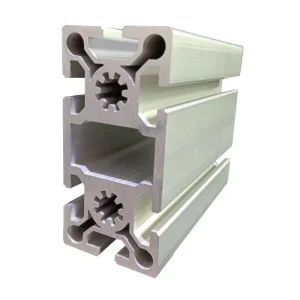
A: Yes. The E&I-8-50100 features a 50mm x 100mm cross-section with an 8mm slot width. Its profile thickness and dual-axis moment of inertia make it suitable for medium-to-heavy structural columns, machine bases, and support framing subjected to off-center loads.
A: We follow standard high-precision tolerances (according to GB/T 5237 and EN 755). Following extrusion, profiles undergo mechanical stretching to relieve internal stresses and correct straightness. We verify cross-sectional profiles and slot dimensions using calibrated gauges to ensure compatibility with standard T-nuts and fasteners.